Understanding the Impact of Climate Change on Global Ecosystems
Climate change is one of the most pressing environmental issues facing the world today. Its effects are far-reaching and multifaceted, influencing weather patterns, sea levels, and biodiversity. Understanding these impacts is crucial for developing strategies to mitigate and adapt to the changes occurring within global ecosystems.
The Science Behind Climate Change
At its core, climate change is driven by an increase in greenhouse gases in the atmosphere, primarily carbon dioxide, methane, and nitrous oxide. These gases trap heat from the sun, causing global temperatures to rise, a phenomenon known as the greenhouse effect. The primary sources of these emissions are human activities, such as burning fossil fuels, deforestation, and industrial processes.
As the Earth’s temperature rises, it leads to a cascade of changes within ecosystems. These changes can be observed in the form of altered weather patterns, increased frequency of extreme weather events, and shifts in biodiversity. The consequences of these changes are profound, affecting not only the environment but also human societies that depend on these ecosystems for resources and services.
Impact on Weather Patterns
One of the most immediate effects of climate change is the alteration of weather patterns. This can manifest in various forms, such as more intense and frequent storms, prolonged droughts, and unpredictable seasonal changes. For instance, the increased occurrence of hurricanes and cyclones can be attributed to warmer ocean temperatures, which provide more energy for these storms to develop and intensify.
Prolonged droughts, on the other hand, have severe implications for ecosystems, particularly in regions that rely on consistent rainfall for agriculture and water supply. The Intergovernmental Panel on Climate Change (IPCC) reports that these altered weather patterns can lead to reduced crop yields, threatening food security and livelihoods globally.
Rising Sea Levels and Marine Ecosystems
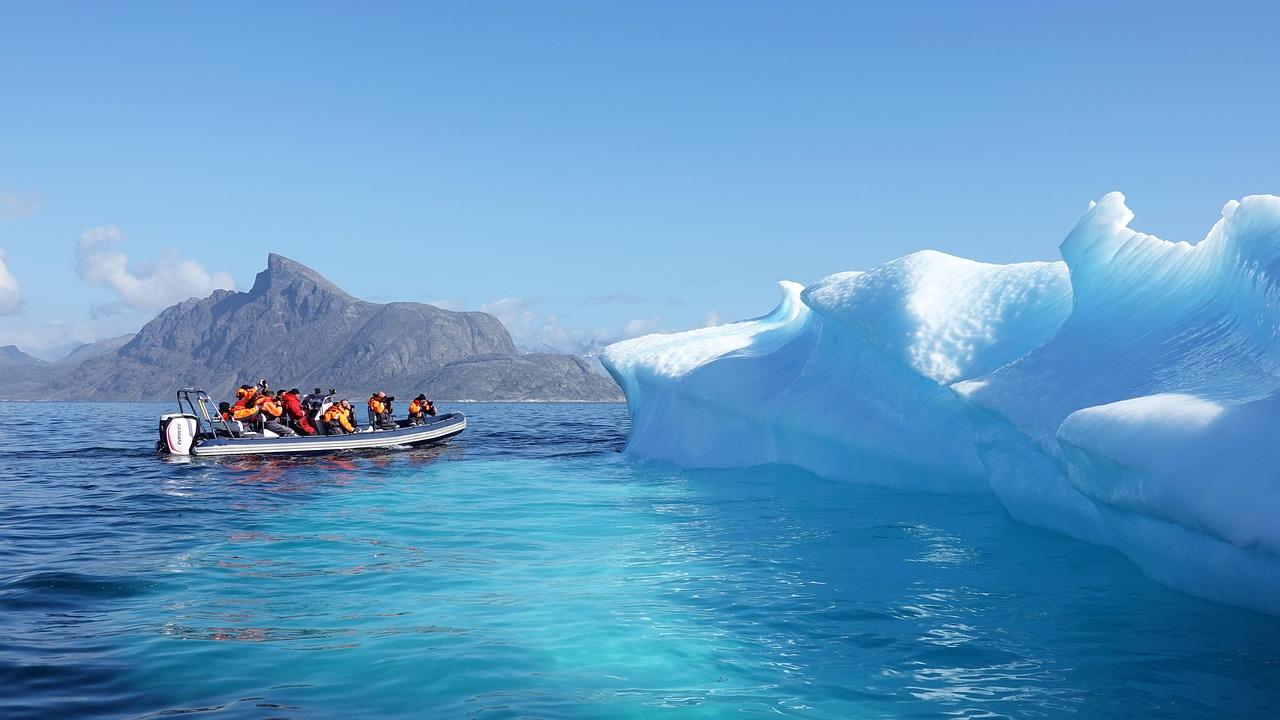
Another critical impact of climate change is the rise in sea levels, driven by the melting of polar ice caps and glaciers as well as the thermal expansion of seawater as it warms. Rising sea levels pose a significant threat to coastal ecosystems, leading to habitat loss, increased salinity in estuaries, and the inundation of low-lying areas.
Marine ecosystems are particularly vulnerable to these changes. Coral reefs, often referred to as the “rainforests of the sea,” are under threat from both rising temperatures and ocean acidification. Increased CO2 levels result in more carbonic acid in seawater, which can weaken coral skeletons and disrupt marine biodiversity. According to the National Oceanic and Atmospheric Administration (NOAA), these changes threaten the complex relationships within marine food webs and the biodiversity they support.
Effects on Terrestrial Ecosystems
On land, climate change affects ecosystems in various ways, from altering habitats to influencing species distribution. As temperatures rise, many species are forced to migrate to cooler areas, often moving towards the poles or higher elevations. This shift can lead to mismatches in the timing of biological events, such as flowering and migration, disrupting ecological relationships and food chains.

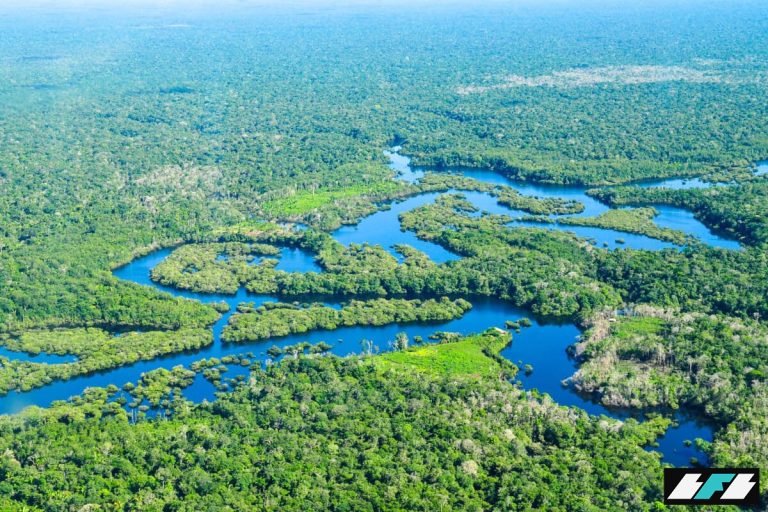
Forest ecosystems are particularly susceptible to climate change. Increased temperatures and drought conditions can exacerbate the frequency and intensity of wildfires, as seen in recent years across regions like the Amazon, Australia, and California. These fires not only destroy vast areas of habitat but also release significant amounts of carbon dioxide back into the atmosphere, further contributing to climate change.
Biodiversity and Species Extinction
Perhaps one of the most alarming impacts of climate change is its effect on biodiversity. Species that cannot adapt quickly to changing conditions face an increased risk of extinction. This is particularly true for species with limited ranges, specialized habitats, or those already threatened by other human activities.
The loss of biodiversity has cascading effects on ecosystems, affecting ecosystem services such as pollination, water purification, and carbon sequestration. The International Union for Conservation of Nature (IUCN) highlights that preserving biodiversity is essential for maintaining the resilience of ecosystems to climate change impacts.
Human Implications and Adaptation Strategies
The impacts of climate change on ecosystems have significant implications for human societies. From food and water security to health and economic stability, the consequences are broad and interlinked. As ecosystems change, so too do the resources and services they provide, necessitating human adaptation and resilience-building strategies.

Adaptation strategies include the conservation and restoration of ecosystems to enhance their natural resilience. Protecting wetlands, for example, can help buffer against storm surges and rising sea levels. Implementing sustainable agricultural practices and improving water management can increase food security and reduce vulnerability to climate-related disruptions.
At a policy level, international cooperation and agreements, such as the Paris Agreement, aim to limit global temperature rise and promote sustainable development. These efforts highlight the need for global commitment to reducing greenhouse gas emissions and investing in renewable energy sources.
Takeaways
Understanding the impact of climate change on global ecosystems is essential for developing effective strategies to address this existential threat. As we continue to study and monitor these changes, it is crucial to implement adaptive measures that protect both natural environments and human societies. By fostering a greater awareness of these issues and engaging in sustainable practices, we can work towards a more resilient and sustainable future for all life on Earth.
Innovative Solutions and Future Outlook
While the challenges posed by climate change are formidable, there is a growing array of innovative solutions emerging in response. Technological advancements, community-driven initiatives, and policy innovations are paving the way for more effective climate action.
One promising approach is the development of climate-smart agriculture, which integrates sustainable farming practices with advanced technologies to increase productivity while reducing environmental impact. Techniques such as precision farming, agroforestry, and the use of drought-resistant crop varieties are becoming increasingly vital in adapting to changing climatic conditions.
Moreover, renewable energy technologies such as solar, wind, and hydropower are rapidly expanding, offering viable alternatives to fossil fuels. These technologies not only help reduce greenhouse gas emissions but also create new economic opportunities and enhance energy security.
On a local scale, communities around the world are taking action to build resilience to climate change. Urban areas are implementing green infrastructure projects, such as green roofs and urban forests, to mitigate the heat island effect and manage stormwater. Coastal communities are investing in natural defenses like mangrove restoration to protect against sea-level rise and storm surges.
International cooperation remains a crucial element in addressing climate change. Global initiatives aimed at transferring technology, knowledge, and financial resources to developing nations are vital in ensuring that all countries can participate in climate action. Collaborative research efforts are also essential for advancing our understanding of climate dynamics and developing innovative solutions.
The Role of Education and Awareness
Education and public awareness play a significant role in driving climate action. By understanding the science of climate change and its impacts, individuals and communities are better equipped to make informed decisions and advocate for sustainable practices.
Educational initiatives that integrate climate science into school curricula, alongside community outreach programs, can empower the next generation to take proactive steps in addressing climate change. Workshops, seminars, and online courses are also valuable tools for disseminating knowledge and fostering a culture of sustainability.
Media and communication platforms have a critical role in raising awareness about climate change issues. By highlighting success stories and innovative solutions, they can inspire action and foster a sense of global solidarity in tackling climate change.
Personal Responsibility and Lifestyle Changes
While systemic changes are essential, individual actions also contribute to climate mitigation and adaptation efforts. Simple lifestyle changes, such as reducing energy consumption, minimizing waste, and opting for sustainable transportation, can collectively have a significant impact.
Consumer choices, particularly in terms of food and product consumption, play a role in driving demand for sustainable practices. By choosing locally-sourced, organic, and ethically-produced goods, individuals can support environmentally-friendly industries and reduce their carbon footprint.
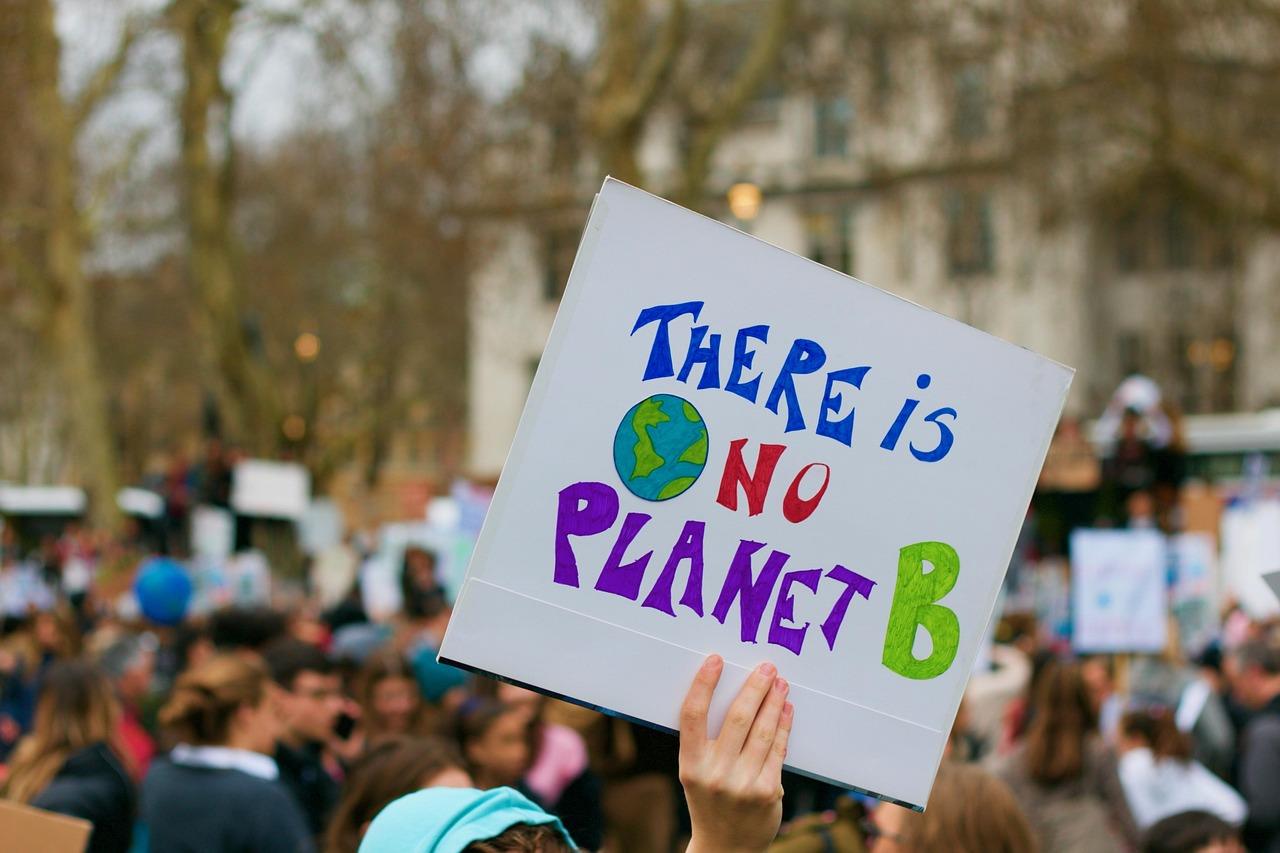
Moreover, civic engagement and advocacy are powerful tools for influencing policy and driving systemic change. By participating in local environmental initiatives, supporting climate policies, and engaging with elected representatives, individuals can contribute to broader climate action efforts.
Takeaways
The impact of climate change on global ecosystems is extensive and complex, affecting every aspect of the natural world and human society. While the challenges are daunting, there is a growing momentum towards finding solutions and building resilience. Through collective action, innovation, and a commitment to sustainability, it is possible to mitigate the effects of climate change and protect the planet for future generations.
As we move forward, it is crucial to maintain a sense of urgency and determination in addressing climate change. By working together across sectors, borders, and communities, we can create a more sustainable and equitable future for all. The path to a resilient planet lies in the hands of individuals, communities, and global leaders alike, and it is our collective responsibility to rise to the occasion.