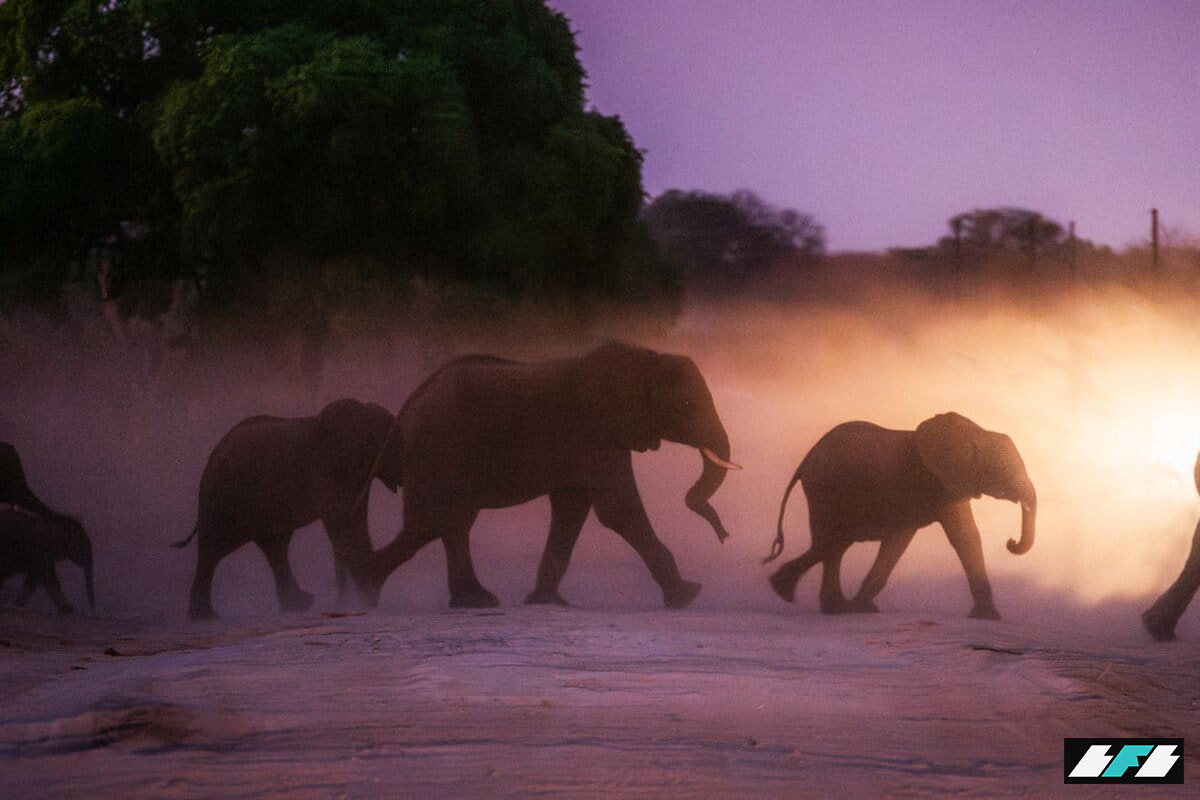
- Elephant populations in Southern Africa are stable or growing, but the space available for them is not.
- Often, elephant populations are constrained, increasing their impact on the environment or surrounding communities, and triggering calls for controversial solutions, like culls or contraception.
- But studies in a region that hosts 50% of Africa’s remaining savanna elephants (Loxodonta africana) show how the animals make use of wildlife corridors to move between protected areas and neighboring countries.
- Encouraging elephants to migrate can help relieve overpopulation in some areas, but any corridor invariably intersects with human communities, making it both vital ecological infrastructure and a social challenge.
Since being collared in Zambia two years ago, a young bull elephant known to researchers as Z16 has walked nearly 12,000 kilometers, or 7,500 miles — three times the distance between New York and Los Angeles. In that time, Z16 has traversed four countries and visited six national parks.
In Southern Africa overall, populations of elephants are stable, or even growing, but space for them is not. This pressure has increased human-elephant conflict and fueled calls from some for elephant culls. Z16’s epic trek underscores a quieter, more hopeful solution to the region’s so-called “elephant problem”: keeping the routes that connect fragmented ranges open through the creation and protection of wildlife corridors.
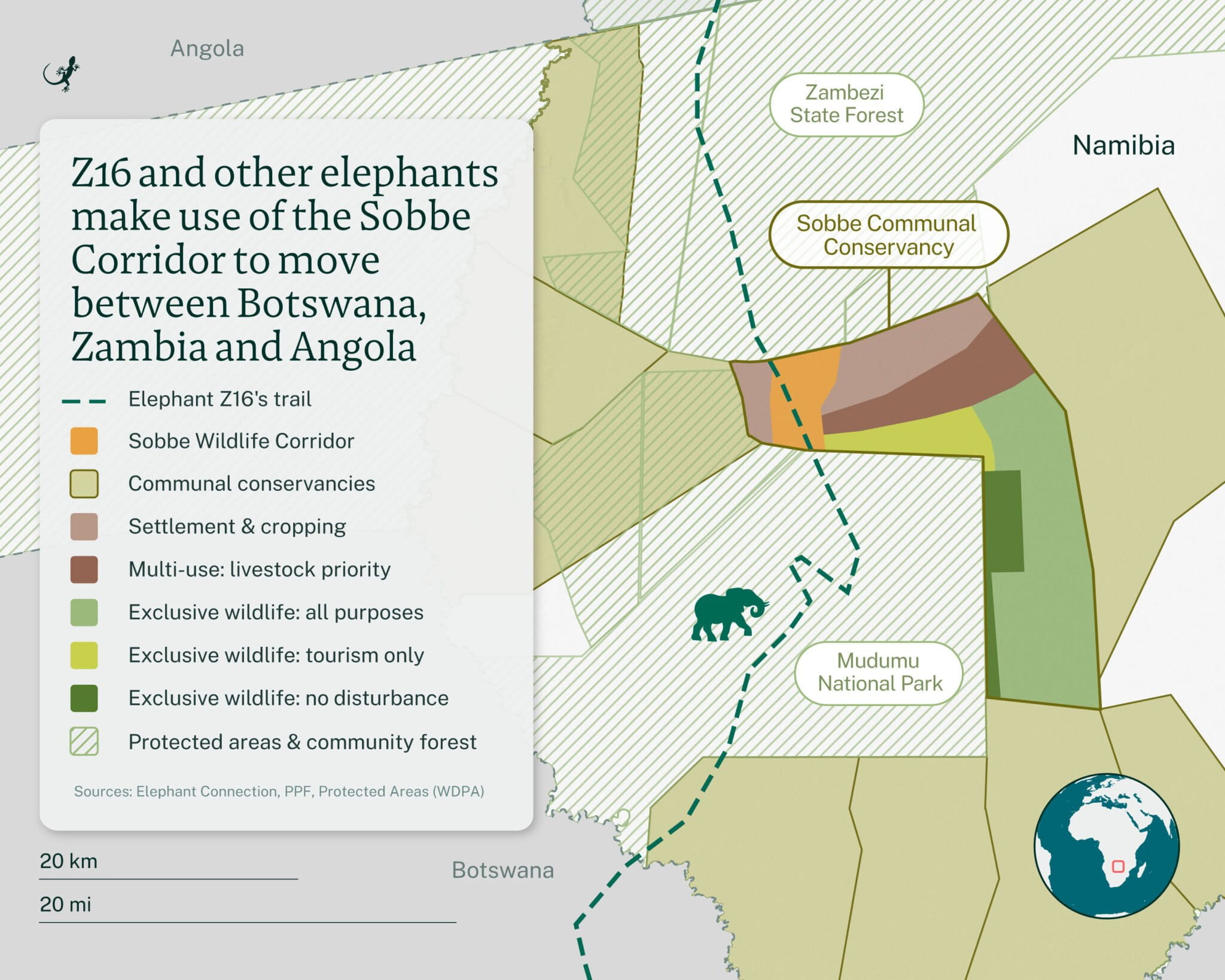
Situated in the northwestern corner of the Sobbe Wildlife Conservancy, in Namibia’s long, narrow Zambezi region, the Sobbe Corridor provides a link for elephants moving between Botswana, Zambia and Angola.
When environmental anthropologist Emilie Köhler began her fieldwork in Sobbe in January 2023, she saw the crooked boughs of trees inside the corridor shaped by countless generations of African savanna elephants (Loxodonta africana) rubbing their backs as they passed through.
“They come into [Namibia’s] Mudumu National Park, then they use the Sobbe Corridor to move into the Zambezi State Forest [also inside Namibia] and then go into Zambia and Angola,” she says. “It connects different protected areas, but also links movements between different countries, which makes it extremely important.”

‘Elephant infrastructure’
Wildlife corridors play a disproportionately large role in facilitating the migrations of elephants and other wild animals within the vast landscape known as the Kavango Zambezi Transfrontier Conservation Area (KAZA-TFCA), home to 228,000 elephants and around 3 million people. Corridors like Sobbe, which is just 6 km long and 4 km wide (3.7 by 2.5 mi), are like pressure release valves, says Robin Naidoo, a lead scientist with WWF-US.
“They’re kind of fundamental pieces of ecological infrastructure,” he says, “and just like we need to maintain our own infrastructure and make sure things are in good working order, we need to do the same for this ecological infrastructure if we’re going to be successful at conserving elephants and other species in KAZA.”
KAZA has the advantage of a permanent working group of elephant specialists who try to figure out where corridors and important areas for connectivity lie within its 520,000 square kilometers (201,000 square miles); discover barriers blocking potential corridors; increase awareness among decision-makers on their importance; and get corridors gazetted into countries’ land-use policies.
“That provides the starting point so that [the wildlife corridors] will stand the test of time,” Naidoo says.
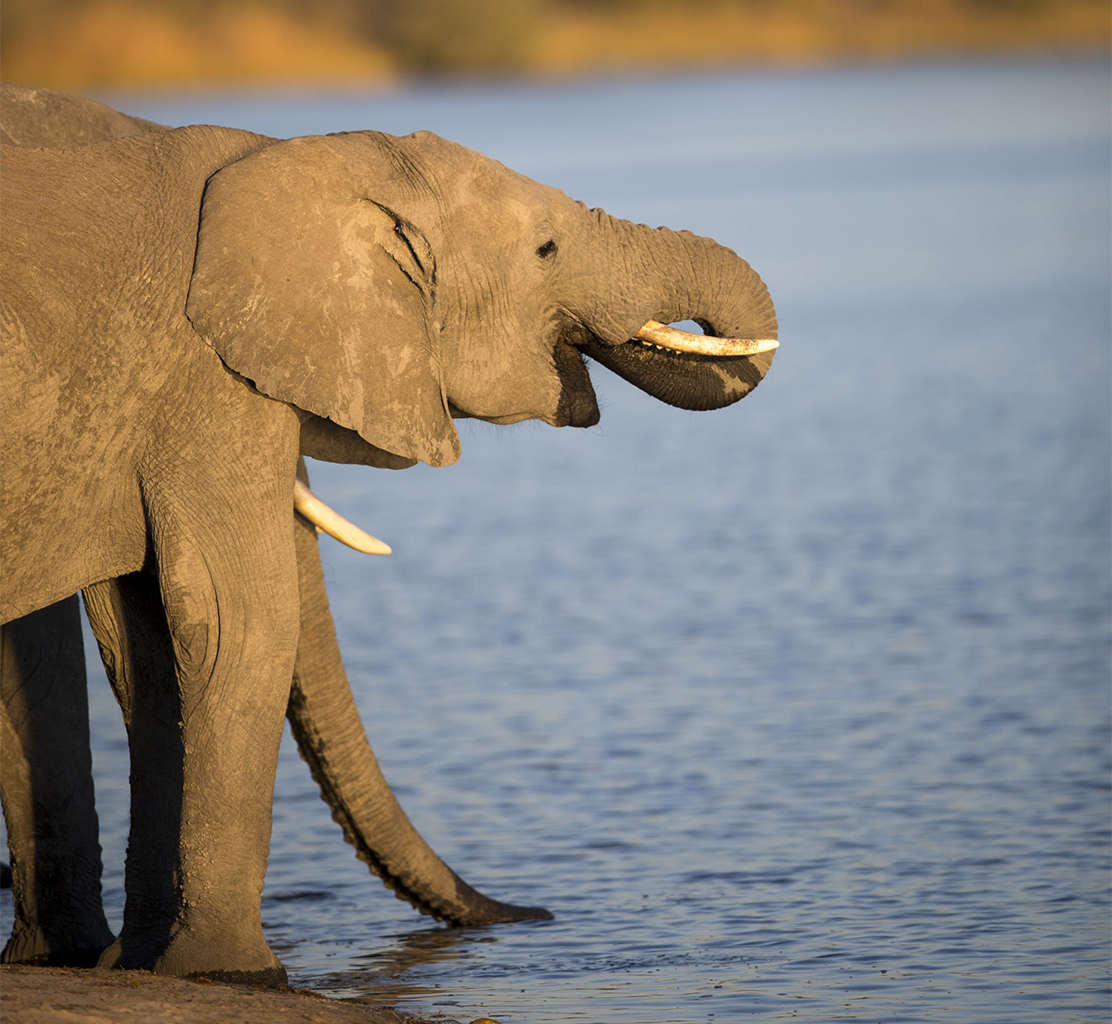
Where corridors are kept open, both solitary bull elephants and female-headed herds can move across borders in sync with seasonal fluctuations of food and water.

‘Itchy feet’
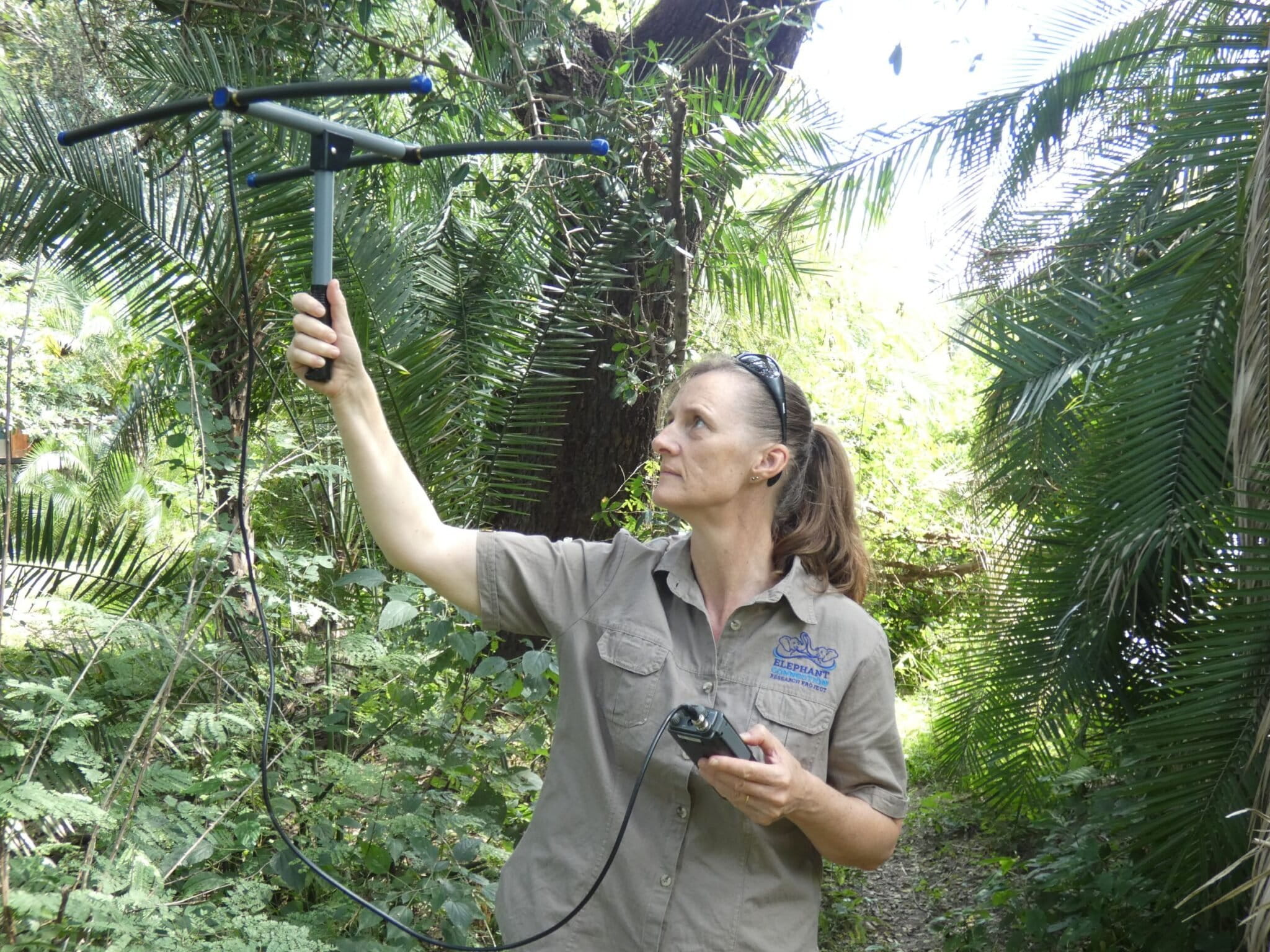
Take Z16. Since he was collared by conservation NGO Elephant Connection north of Sioma Ngwezi National Park in Zambia in June 2023, he has used Sobbe and adjoining Mudumu National Park in Namibia in early 2024 to leave Zambia and cross back into northern Botswana, then headed down to Makgadikgadi National Park via the Okavango Delta. Although he appears to recognize Makgadikgadi in Botswana as home, he also recently took a trip to Hwange National Park, hundreds of kilometers to the east, in northwestern Zimbabwe.
Kerryn Carter, a wildlife biologist and founder of Elephant Connection, says Z16, as with other bull elephants, likely uses the onset of summer rains around November as his cue for moving.
“They’re not just randomly moving around,” she says. “They actually undertake journeys, as if they know where they’re going; I’m guessing they’re just old routes that have been known for a very long time.”
One of these routes is Sobbe, marked by its fresh elephant dung and trails snaking their way between the mopane (Colophospermum mopane) and Zambezi teak (Baikiaea plurijuga) trees.
Z16’s itchy feet may be because he’s a male. Data gathered from a total of 291 elephants collared in all five of the KAZA countries show that nearly half of them visited more than one country, but only 36% of these were females. Yet it’s the female-headed family groups that make up more than 85% of the region’s elephant population of nearly a quarter of a million.
Carter says barriers like large rivers and border fences present little obstacle to bulls, but are seldom crossed by cows and their herds; they have calves to worry about.
“If we don’t get the females moving, we’re not going to solve any overpopulation situations,” she adds.
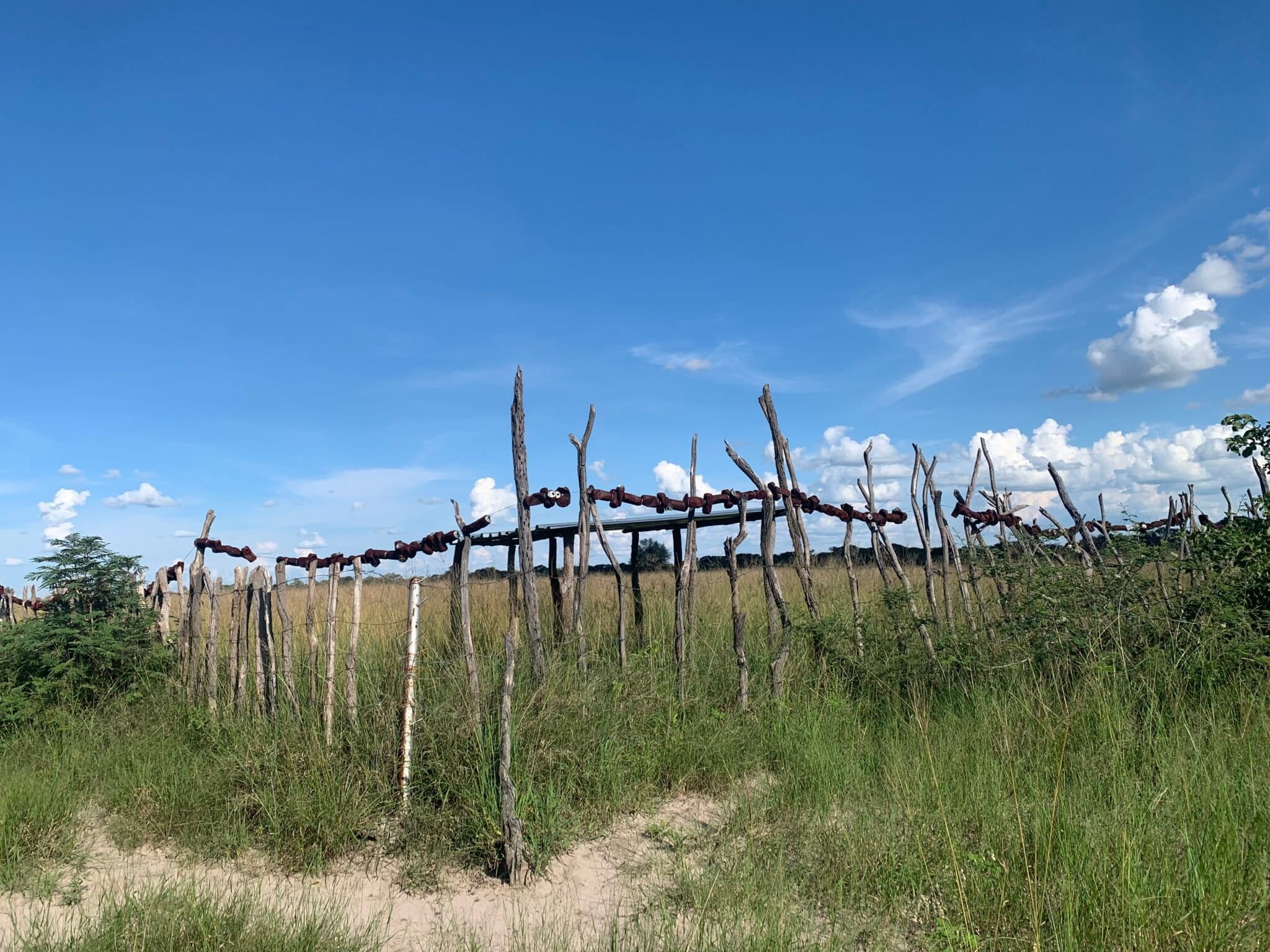
Females may not cross rivers simply because they form a natural boundary to their home ranges, Naidoo says. Their reticence about crossing border or veterinary fences, even where these have fallen into disrepair, could be due to their memory of when these fences were electrified or more heavily patrolled by people, or because the remnants still pose a physical barrier to their calves.
Fenced landscapes
This is starkly illustrated in a map based on data collected by Naidoo and colleagues from collared female elephants, showing that neither those on the Namibian side nor those on the Botswanan side were ever willing to cross the border fence.
Removing fences would likely improve movement of female-headed herds. But even in fenced landscapes, long-range movements by females can occur, recent data show.
Three years ago, Namibia’s Ministry of Environment and Tourism collared a female elephant in the fenced Mahango Game Reserve, which, like Sobbe, is located in the country’s Zambezi region. In April this year, she abruptly left the reserve and walked 150 km (90 mi) to the west, to reach Khaudum National Park in Namibia’s Kavango East region, despite having to cross several fences, and without the aid of a designated wildlife corridor.
It was the first such movement for a female elephant recorded in more than 15 years of elephant satellite tracking in that part of Namibia, and illustrates that corridors aren’t the only means of helping connectivity.
“In some of these areas it’s less about a defined, specific micro-corridor, and more about just having sort of an overall permeability of the landscape,” Naidoo says.
Where human populations are dense, however, corridors like Sobbe continue to play an outsized role.
When Elephant Connection began collaring elephants in Sioma Ngwezi in 2017, for instance, Carter and colleagues counted a 150-strong herd. By the time a major KAZA aerial survey took place in 2022, that number had expanded to 552. Even though that increase isn’t in the tens of thousands needed to depopulate denser elephant ranges, Carter does credit Sobbe for aiding migration to Sioma Ngwezi from places like Namibia’s Bwabwata National Park.
Useful though they are, corridors intersect with human communities, meaning elephant connectivity is as much a political and social challenge as it is an ecological one.
Nomadic, crop-raiding elephants are a frequent and serious problem for some of the farmers who live close to the Sobbe Corridor, Köhler says. The farmers don’t receive compensation if their fields aren’t adequately protected, and putting up strong defenses is an investment many can’t afford. This means they need to camp out near their fields for weeks and use fires or drums to repel elephants at night, which can be dangerous.
Yet, people living around Sobbe remain highly tolerant of elephants, Köhler says.
This is likely to do with receiving at least some government compensation for crop damage and benefiting from being part of a wildlife conservancy.
Community members get jobs as game guards; wildlife credits are paid to locals for ensuring the corridor stays intact; and the community earns income from the trophy hunting of a small number of elephants (four in 2023), which is in line with Namibia’s policy of community-based natural resource management.
Money raised from hunting elephants, which takes place in a part of the conservancy that’s away from the corridor, has been used to electrify people’s homes.
The outcome is coexistence that goes beyond mere tolerance.
Köhler recalls meeting a village headman at the start of her fieldwork in Sobbe, who told her the presence of elephants on their land was proof the country was “still alive.”
It was a community attitude she encountered again and again in the months that followed.
“They are proud of having [elephants], and they really value them being alive in the landscape,” Köhler says. “They want their children to be able to see wildlife, and not just to see it in books.”


About the Author