- The United Nations Environment Assembly meets in Nairobi Dec. 8-12, with governments, civil society, business and scientists seeking to inject fresh momentum into strengthening global governance to tackle climate change, biodiversity loss and pollution.
- For African nations — grappling with droughts, floods, toxic air pollution and environmental degradation — the talks will test whether the world can finally move from declarations to delivery, as ministers and civil society decry unfulfilled finance pledges, slow progress on biodiversity plans and a deadlock in plastic pollution negotiations.
- With emissions rising, biodiversity declining and pollution worsening, African leaders say the U.N. talks must deliver concrete, accountable outcomes — or risk leaving the continent to confront the triple planetary crisis largely on its own.
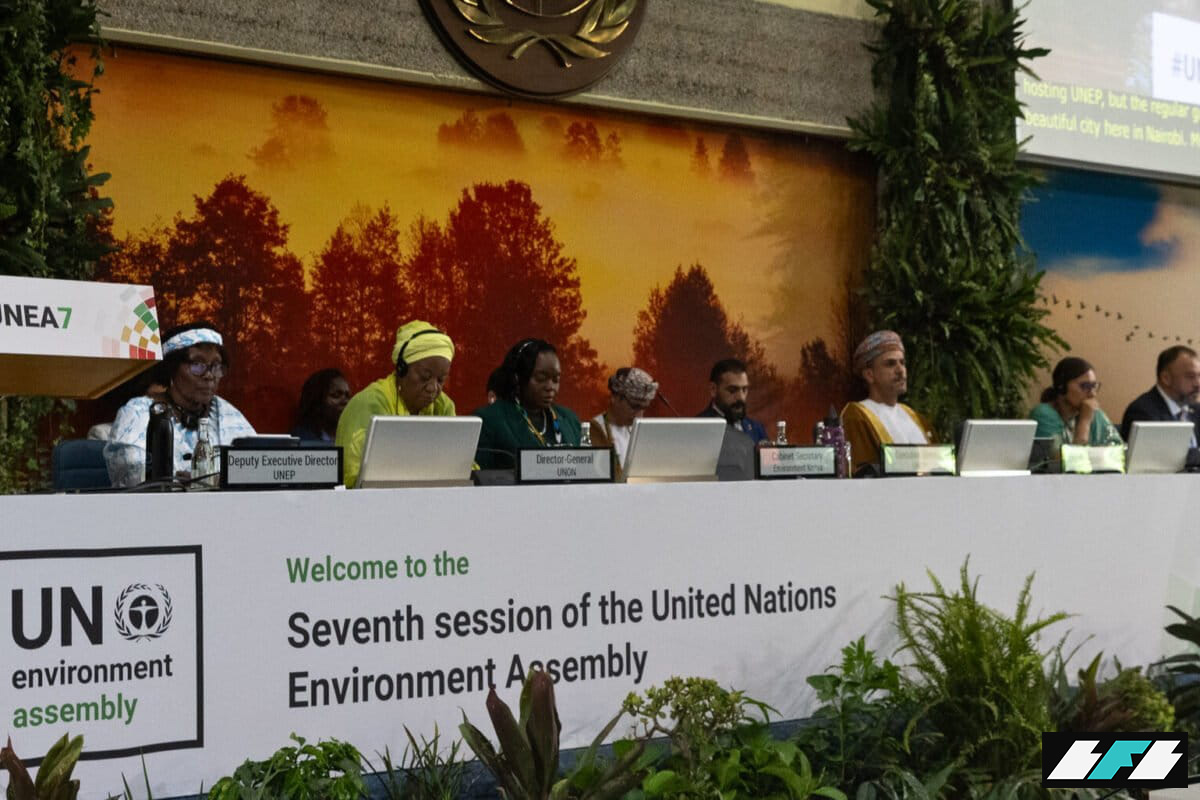
From Dec. 8-12, Kenya will host delegates from governments, civil society, industry and scientific agencies for the United Nations Environment Assembly at a time of profound environmental challenges and growing geopolitical uncertainty.
In the sixth session of the UNEA held in 2024, leaders promised to act on the triple planetary crisis of climate change, biodiversity loss and pollution.
But global emissions have continued to climb, the world is not on track to meet biodiversity goals and negotiations over plastic pollution have reached a standstill. Major geopolitical disputes, from trade wars to political conflicts, threaten to weaken international efforts to protect the environment.
Even the head of the United Nations Environment Programme (UNEP), Inger Andersen, acknowledged the challenge of meeting this moment. Speaking recently to experts who gathered in Nairobi ahead of the talks, she described 2025 as a “mixed year,” celebrating progress on protecting marine biodiversity in international waters but warning that the world is still falling behind on climate change, biodiversity loss, land degradation and plastic pollution.
For Africa — already facing droughts, floods, collapsing ecosystems and rising pollution — these talks are a test of whether global action can match the urgency of the continent’s environmental crises.
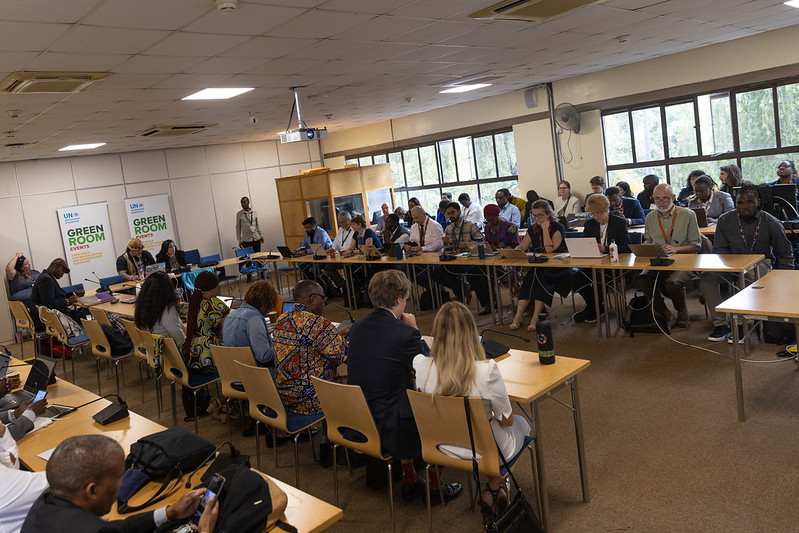
Civil society leaders say the gap between promises and reality has now become intolerable. “Africa is expecting concrete solutions for the world’s problems,” Augustine Njamnshi of the Pan African Climate Justice Alliance told Mongabay. “We cannot talk about advancing sustainable solutions for a resting planet when our own part of Mother Earth is burning and flooding at the same time.”
African ministers have spent the year aligning their priorities, stressing that climate action, biodiversity protection, drought response and pollution control are essential for the continent’s future.
At a July 2025 meeting, Elizabeth Maruma Mrema, a senior UNEP official, told environment ministers from across the continent gathered in Nairobi that problems once seen as “clouds on the horizon” are now “at the center of the storm.” They were meeting for the 20th session of the African Ministerial Conference on the Environment.
Njamnshi argued that African countries should not keep waiting for promises that never materialize. “The promises, the pledges that were made have not been met. That is the bottom line,” he said. “Africa keeps being disappointed. It has become somewhat fashionable that these declarations are made, and nobody follows up to redeem their pledges.”
Hundreds of civil society groups are accredited as observers at the U.N. talks in Nairobi. Ahead of this year’s general assembly, grassroots organizations and civil society groups warned about “persistent implementation gaps, weak accountability mechanisms and insufficient support from developed countries.” They want 2024’s promises to translate into action at this year’s assembly.
African countries are coming to the table in Nairobi frustrated by the global system meant to fund climate action. While the recent United Nations climate talks in Belém led to a commitment to triple climate adaptation funding, it is some time before that financing will be available.
Ministers from across the continent have also pointed to “structural barriers” that make it hard to access money needed to protect communities from worsening climate impacts. In many cases, support comes as loans that “further exacerbate existing debt burdens.”
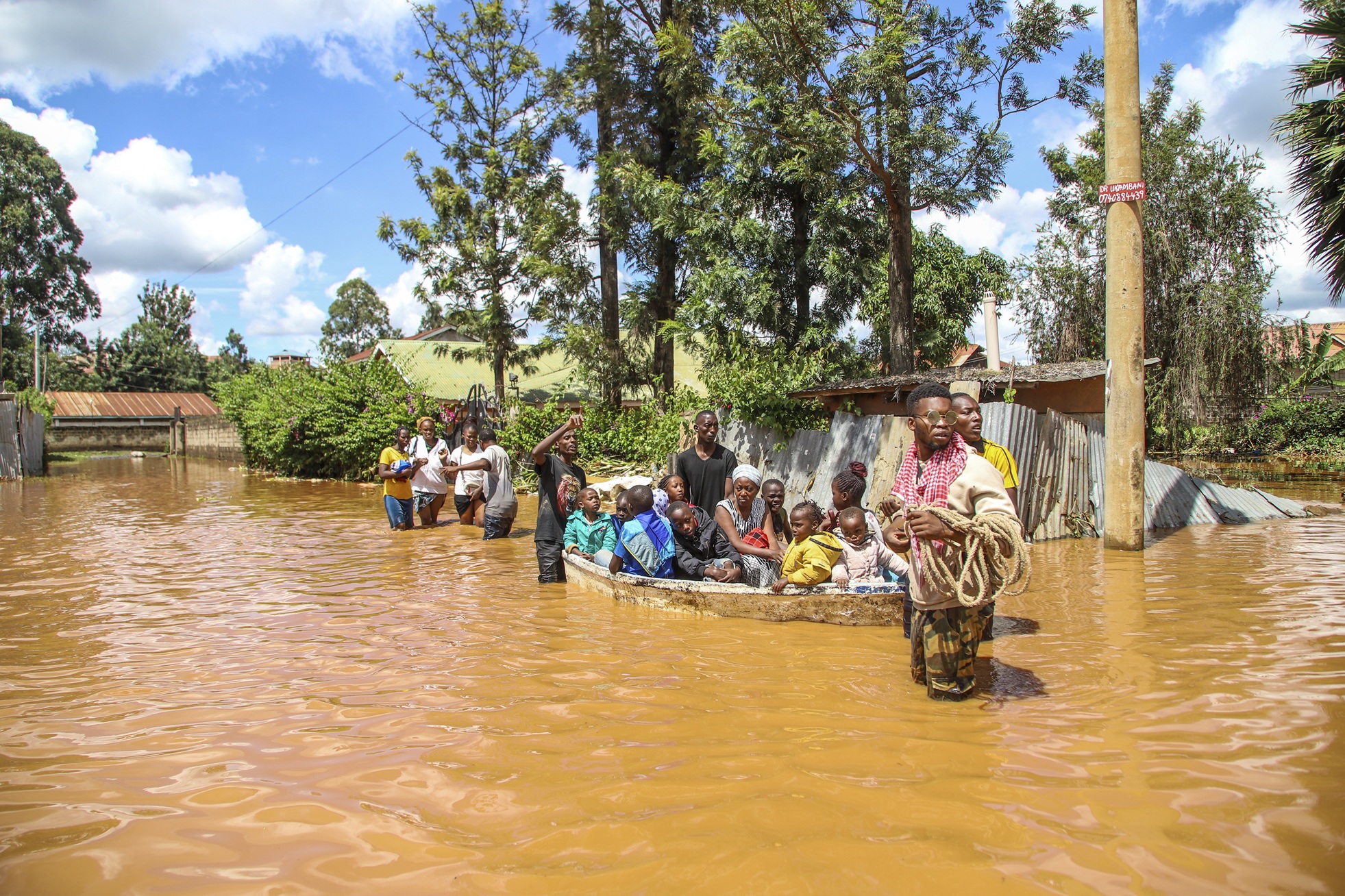
Climate impacts are wiping out as much as 15% of per capita GDP growth in African countries, according to some estimates. Kenyan President William Ruto told environment ministers in Nairobi in July that the climate threat demands predictable, urgent funding for developing countries.
Njamnshi said the lack of progress since early 2024 shows that global climate action is “not even being addressed in a very consequential manner,” with devastating consequences for African communities living through this “triple planetary crisis,” which captures how global heating, relentless pollution and biodiversity loss feed one another: Burning fossil fuels and degrading ecosystems release more greenhouse gases, weaken nature’s ability to absorb them and expose people and wildlife to increasingly toxic air, water and soils.
For Njamnshi, the key question is: “What can Africa do on its own?”
At the last UNEA meeting, governments agreed to “halt and reverse biodiversity loss by 2030.” For Africa — a region with vast forests, wetlands, savannas, coastlines and freshwater systems — that goal is essential.
Ministers from across the continent have emphasized the importance of wetlands, forests, mangroves and other landscapes for resilience and livelihoods. African negotiators have called for stronger environmental laws and more predictable funding for biodiversity.
But a 2024 WWF report points to a continuing decline in biodiversity.
“Even biodiversity loss is still increasing,” Njamnshi said, adding that “pollution has increased more than ever before.”
But many countries still haven’t fully developed their National Biodiversity Strategies and Action Plans required to implement these commitments, and available funding remains far below what is needed.
A resolution at the 2022 UNEA required countries to finalize a global plastics treaty by the end of 2024. That deadline has been missed. Many African governments support rules that address plastics “from polymer production to disposal,” arguing that only a full life-cycle approach will work.

But negotiations have stalled. Meanwhile, untreated waste, toxic runoff and plastic-choked rivers continue to threaten communities.
Civil society groups warn of “inequitable mineral sharing, environmental degradation, and lack of transparency” in industries linked to plastics, petrochemicals and waste.
Njamnshi noted that pollution has now reached unprecedented levels. “Pollution has even increased more than ever before,” he said, arguing that Africa must prioritize its own solutions even as global negotiations drag on.
African countries face growing threats from mercury use in artisanal mining, toxic chemicals in consumer goods and widespread air pollution in cities. Ministers have raised the alarm about mercury as a top public health risk and urged stronger international action.
Open waste burning remains one of the continent’s most common pollution sources, harming people in cities and informal settlements alike.
Increasingly frequent droughts are battering communities across the continent. Water scarcity is driving displacement, conflict, failed harvests and the collapse of ecosystems. Officials warn that desertification is a growing problem on the African continent.
“This is a moment of reflection for Africa. … We should be looking at what to do to save ourselves from danger,” Njamnshi said.


About the Author