Unfolding the Secrets of the Ocean: A Deep Dive Into Marine Wildlife and Its Importance to the Ecosystem
The ocean, covering over 70% of our planet’s surface, is a vast and mysterious realm teeming with life. From the tiniest plankton to the largest whales, marine wildlife plays a crucial role in maintaining the delicate balance of our ecosystem. In this blog post, we will explore the secrets of the ocean, delve into the fascinating world of marine wildlife, and understand their significance to global ecosystems.
The Rich Diversity of Marine Wildlife
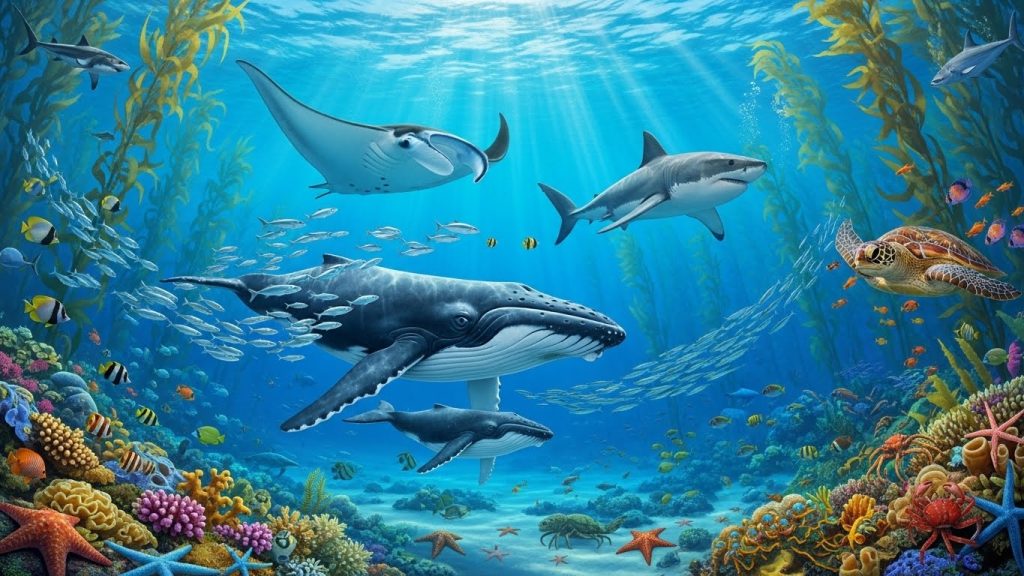
Marine wildlife encompasses a diverse range of species, including fish, corals, mammals, birds, and invertebrates. The ocean is home to an estimated 2.2 million species, many of which are yet to be discovered. This immense biodiversity is largely due to the ocean’s varied habitats, such as coral reefs, deep-sea trenches, and open ocean waters.
One notable example is the coral reef ecosystem, often referred to as the “rainforests of the sea” due to their vibrant and diverse life forms. Coral reefs support a quarter of all marine species despite covering less than 1% of the ocean floor. These ecosystems provide vital services such as coastal protection, food, and habitats for countless marine organisms.
The Role of Marine Wildlife in the Ecosystem
Marine wildlife plays a crucial role in sustaining the health of the ocean and the planet. They contribute to the regulation of carbon dioxide levels, nutrient cycling, and the overall balance of marine ecosystems. For instance, phytoplankton, microscopic plants found in the ocean, produce over half of the world’s oxygen through photosynthesis and are a primary food source for a vast array of marine creatures.
Predators such as sharks and dolphins help maintain the balance of marine populations by controlling the numbers of prey species, ensuring that no single population dominates the ecosystem. This balance is essential for the health of the ocean, as it prevents the overgrazing of vital habitats such as seagrass beds and coral reefs.
Marine Wildlife and Human Interaction
The relationship between humans and marine wildlife is a complex one, marked by both benefits and threats. The ocean provides us with resources such as food, medicine, and recreation. Fisheries, for example, are a major source of protein for billions of people worldwide, highlighting the importance of sustainable fishing practices to prevent overfishing and ensure the longevity of fish populations.
On the other hand, human activities pose significant threats to marine wildlife. Pollution, climate change, and habitat destruction are some of the key challenges facing marine ecosystems today. Plastic waste, in particular, has become a pervasive issue, affecting countless marine species through ingestion and entanglement. Efforts to reduce plastic pollution and promote ocean conservation are critical in preserving marine biodiversity for future generations.
Conservation Efforts and Their Impact
Conservation initiatives have made significant strides in protecting marine wildlife and their habitats. Marine protected areas (MPAs) are designated regions where human activities are regulated to conserve biodiversity and ecosystem services. These areas have proven effective in allowing marine populations to recover and thrive, showcasing the resilience of the ocean when given the opportunity.
International agreements, such as the Convention on Biological Diversity, play a vital role in facilitating global cooperation for marine conservation efforts. By setting targets and promoting sustainable practices, these agreements aim to protect marine ecosystems and ensure their continued contribution to the planet’s health.
Innovative Research and Technological Advances
Advancements in technology have revolutionized the study of marine wildlife, providing new insights into their behavior, habitats, and interactions. Remote sensing, satellite tracking, and autonomous underwater vehicles are just a few of the tools scientists use to uncover the mysteries of the ocean.
For example, satellite tracking of marine animals such as sea turtles and whales has revealed their migratory patterns, shedding light on their ecological needs and helping to identify critical habitats for protection. Similarly, genetic research has enabled the identification of new species and improved our understanding of the genetic diversity within marine populations.
These technological advances not only enhance our knowledge of marine wildlife but also inform conservation strategies, ensuring that efforts are targeted and effective.
The Future of Marine Wildlife and Ecosystem Health
Looking ahead, the future of marine wildlife and the health of ocean ecosystems depend on our actions today. By embracing sustainable practices, supporting conservation efforts, and fostering a deeper understanding of the ocean’s complexities, we can safeguard the diversity and resilience of marine life.
Education and awareness are key components in driving positive change. By understanding the importance of marine wildlife and their role in the ecosystem, individuals and communities can become advocates for the ocean, promoting actions that benefit both marine life and human well-being.
Furthermore, continued research and innovation will be essential in addressing emerging challenges and ensuring the long-term health of marine ecosystems. By investing in science and technology, we can develop solutions that harmonize human activities with the preservation of marine biodiversity.
Takeaways
The ocean’s secrets are vast, but as we uncover more about marine wildlife and their significance to the ecosystem, it becomes clear that their preservation is crucial for the planet’s future. Through a combination of conservation efforts, sustainable practices, and technological advancements, we can protect the ocean and its inhabitants, ensuring that they continue to thrive and support life on Earth.
By fostering a deeper connection to the ocean and understanding its vital role, we can inspire collective action and create a legacy of stewardship for generations to come. The ocean is not just a vast expanse of water; it is a living, breathing ecosystem that sustains us all.
To learn more about marine conservation and ways to get involved, consider visiting organizations such as Marine Conservation Society and World Wildlife Fund’s Oceans Program that are at the forefront of protecting ocean ecosystems worldwide.
Engaging Communities in Marine Conservation
A vital aspect of marine conservation is engaging local communities, as they are often the stewards of the ecosystems they rely on. Community-led initiatives have proven successful in various parts of the world, empowering individuals to take ownership of their natural resources and implement sustainable practices.
For example, the establishment of locally managed marine areas (LMMAs) allows communities to regulate fishing activities and protect critical habitats. This approach not only enhances biodiversity but also ensures food security and livelihoods for local populations. By fostering a sense of responsibility and pride in their environment, communities become key allies in the fight to preserve marine life.
Moreover, education and outreach programs play a crucial role in raising awareness about the importance of marine ecosystems. By integrating traditional knowledge with scientific research, these programs provide communities with the tools and information needed to make informed decisions about resource management and conservation.
Marine Wildlife Tourism: A Double-Edged Sword
Marine wildlife tourism offers a unique opportunity to connect people with the ocean and its inhabitants. Activities such as whale watching, snorkeling, and diving allow individuals to experience the wonders of marine life firsthand, fostering a greater appreciation for the ocean’s beauty and complexity.
However, this form of tourism must be managed carefully to avoid negative impacts on marine ecosystems. Unregulated tourism can lead to habitat degradation, wildlife disturbance, and pollution, undermining conservation efforts. Implementing sustainable tourism practices, such as limiting visitor numbers and enforcing guidelines for wildlife interaction, is essential to ensure that tourism benefits both local communities and marine ecosystems.
Responsible tourism operators often collaborate with conservation organizations to support research and funding for marine protection initiatives. By promoting ethical tourism practices, these operators help create a sustainable model that balances economic growth with environmental stewardship.
The Role of Policy and Legislation
Effective policy and legislation are critical components of marine conservation. Governments play a central role in establishing regulations that protect marine wildlife and their habitats from destructive activities. International treaties and agreements facilitate cooperation among countries to address transboundary issues, such as overfishing and pollution.
For instance, the United Nations Convention on the Law of the Sea establishes guidelines for the sustainable use of ocean resources and the protection of marine environments. By adhering to these agreements, countries can work together to tackle global challenges and ensure the long-term health of the ocean.
National policies also play a key role in marine conservation. By implementing measures such as fishing quotas, protected area designations, and pollution controls, governments can create a regulatory framework that supports the sustainable use of marine resources.
Individual Actions for Ocean Conservation
While large-scale initiatives and policies are essential, individual actions also contribute to the overall health of marine ecosystems. Simple lifestyle changes, such as reducing plastic use, supporting sustainable seafood choices, and participating in beach cleanups, can collectively make a significant impact.
Raising awareness and educating others about the importance of marine conservation can inspire more people to take action. By sharing information and resources, individuals can become advocates for the ocean, amplifying their impact and fostering a culture of environmental responsibility.
Supporting organizations that focus on marine conservation through donations or volunteer work is another way individuals can contribute. These organizations often rely on public support to carry out their vital work in protecting marine wildlife and ecosystems.
Conclusion: A Call to Action
The ocean is a vital component of our planet’s ecosystem, providing essential services that sustain life on Earth. Marine wildlife, with its incredible diversity and ecological significance, is at the heart of this vast and interconnected system.
As we uncover the secrets of the ocean, it becomes increasingly clear that preserving marine wildlife is not just an environmental issue but a necessity for the well-being of future generations. Through collective action, informed choices, and a commitment to sustainable practices, we can ensure that the ocean continues to thrive and support a healthy planet.
Let us embrace this opportunity to protect our blue planet and its incredible marine life, recognizing that the health of the ocean is intrinsically linked to our own. By coming together as a global community, we can create a future where marine wildlife flourishes and the ocean remains a source of wonder and inspiration for all.
About the Author