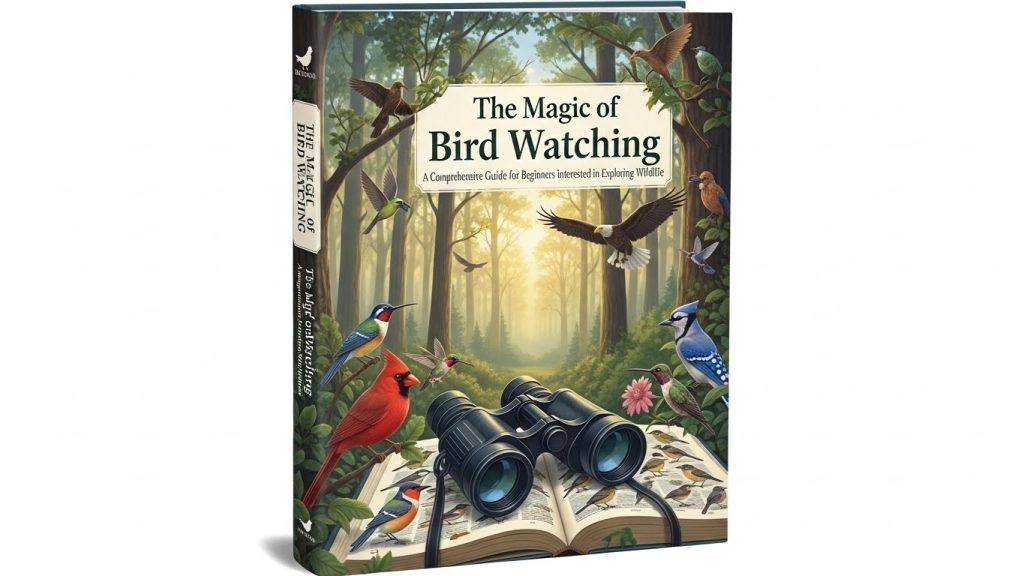
The Magic of Bird Watching: A Comprehensive Guide for Beginners Interested in Exploring Wildlife
Bird watching, a serene yet exhilarating activity, offers an escape into the world of avian wonders. Whether you are in a bustling city or the tranquil countryside, birds are everywhere, waiting to be discovered. This guide will introduce you to the magic of bird watching, providing essential tips and insights for beginners eager to explore the natural world.
Why Bird Watching?
The allure of bird watching lies in its simplicity and accessibility. You don’t need elaborate gear or extensive travel to start; a keen eye and curiosity are your primary tools. Bird watching can be a meditative experience, allowing individuals to connect with nature, reduce stress, and appreciate the diversity of life around them.
Beyond personal enjoyment, bird watching contributes to conservation efforts. By reporting your observations, you assist scientists in tracking bird populations and behavior patterns, aiding in the protection of these creatures. Organizations like Audubon provide platforms and resources for both beginners and seasoned birders to contribute to citizen science initiatives.
Getting Started with Bird Watching
For novices, the world of bird watching can seem overwhelming. However, starting is easier than you might think. Here are some steps to guide you on your journey:
- Basic Equipment: While you can start with just your eyes and ears, a pair of binoculars and a field guide can enhance your experience. Binoculars help in observing details from a distance, while a field guide assists in identifying species.
- Choosing a Location: Begin in your backyard or a local park. These areas are often home to a variety of species and provide ample opportunities for observation.
- Time of Day: Early mornings are ideal for bird watching, as birds are most active during this time. Late afternoons can also be fruitful.
Identifying Birds: Tips and Techniques
Identification is a key skill in bird watching. Here are some techniques to help you distinguish between species:
- Size and Shape: Note the bird’s overall size and shape. Compare its size to common birds you know, like a sparrow or crow.
- Color Patterns: Observe the bird’s coloration. Many species have distinct color patterns that can aid in identification.
- Behavior: Pay attention to how the bird moves and interacts with its environment. Does it hop along the ground or soar high above?
- Songs and Calls: Each bird species has unique vocalizations. Familiarize yourself with common calls using resources like the Cornell Lab of Ornithology, which offers extensive audio libraries.
Bird Watching Etiquette
Respect for nature and fellow bird watchers is crucial. Follow these etiquette guidelines to ensure a positive experience:
- Keep a Distance: Avoid disturbing birds. Use binoculars or scopes to observe from afar.
- Stay Quiet: Minimize noise to prevent startling birds and to enhance your ability to hear natural sounds.
- Follow Trail Rules: Stick to designated paths and respect private property.
- Leave No Trace: Clean up after yourself and leave the environment as you found it.
Joining the Bird Watching Community
Bird watching is a social activity, and joining a community can enrich your experience. Consider participating in local birding groups or online forums, where you can share sightings, seek advice, and learn from experienced birders. Websites like eBird offer platforms for recording and sharing bird observations worldwide.
Bird Conservation and Citizen Science
Bird watching is more than a hobby; it’s a gateway to conservation. Many bird watchers engage in citizen science projects, contributing valuable data for research. Programs such as the Great Backyard Bird Count encourage participants to record bird sightings, helping scientists track migration patterns and population changes.
By participating in these projects, you become part of a global effort to protect birds and their habitats. Conservation organizations often offer training and resources to help you get involved and make a difference.
Challenges and Rewards of Bird Watching
Bird watching comes with its challenges, such as unpredictable weather, elusive species, and the need for patience. However, the rewards far outweigh the obstacles. The thrill of spotting a rare bird, the joy of learning new species, and the peacefulness of being in nature provide profound satisfaction.
Moreover, bird watching fosters a deeper appreciation for the environment and encourages sustainable practices. As you grow more aware of the delicate balance of ecosystems, you may find yourself advocating for conservation efforts and inspiring others to explore the natural world.
Conclusion: Embrace the Magic of Bird Watching
Whether you’re seeking a new hobby, a way to connect with nature, or an opportunity to contribute to conservation, bird watching offers a magical experience. With minimal equipment and a heart full of curiosity, you can embark on a journey that enriches your life and supports the natural world.
So grab your binoculars, step outside, and let the wonders of avian life captivate you. Remember, every sighting is a story waiting to be told, and every bird is a reminder of the beauty and complexity of our planet.
Preparing for Your First Bird Watching Trip
As you prepare for your first bird watching trip, consider a few additional factors to enhance your experience. Planning ahead can make the difference between a successful outing and a missed opportunity:
- Weather Conditions: Check the weather forecast before heading out. Birds are more active on clear days but can be spotted in light rain as well. Dress appropriately and bring rain gear if necessary.
- Pack Wisely: Bring essentials like water, snacks, a notebook for jotting down observations, and a portable bird guide or app. A lightweight backpack can keep your hands free for binoculars.
- Safety First: Inform someone of your plans, especially if you’re exploring remote areas. Carry a map, compass, or GPS device to navigate unfamiliar terrain safely.
With these preparations in mind, you will be better equipped to enjoy the diverse avian life that awaits you.
Understanding Bird Habitats
Birds inhabit a wide range of environments, each supporting different species. Understanding these habitats can improve your chances of observing specific birds:
- Forests: Home to numerous bird species, forests offer abundant food and shelter. Look for species like woodpeckers, owls, and songbirds.
- Wetlands: These areas attract waterfowl such as ducks, herons, and geese. Wetlands are critical for migrating species that rely on these habitats for rest and refueling.
- Grasslands: Open spaces provide habitats for ground-nesting birds like quails and meadowlarks. These areas can be explored for their unique ground-dwelling avifauna.
- Urban Areas: Cities and suburbs are home to adaptable species like pigeons, sparrows, and even hawks. Urban bird watching can be surprisingly rewarding as you uncover the wildlife thriving in human environments.
By exploring different habitats, you will increase your understanding and appreciation of the rich biodiversity that different environments offer.
Recording and Sharing Your Observations
Documenting your bird watching experiences can enhance your skills and contribute to scientific knowledge. Here are some ways to effectively record and share your observations:
- Field Notes: Keep a journal of your sightings, noting the species, location, date, and any interesting behaviors observed. This practice improves your identification skills and serves as a personal record of your adventures.
- Photography: Capturing images of birds can be a rewarding extension of bird watching. It allows for detailed study and sharing with others, whether online or in print.
- Online Platforms: Use websites like iNaturalist to upload your sightings and engage with a community of nature enthusiasts. These platforms facilitate data sharing with researchers and other bird watchers.
Sharing your observations not only fosters a sense of community but also plays a vital role in supporting global biodiversity research.
Advanced Bird Watching Techniques
As you gain experience, consider exploring advanced bird watching techniques to further enrich your practice:
- Sound Recording: Invest in a quality audio recorder to capture bird calls and songs. Analyzing these recordings can deepen your understanding of avian communication and aid in species identification.
- Bird Banding: Participate in bird banding programs to learn more about bird migration and population dynamics. This hands-on experience provides valuable insights into the lives of birds.
- Travel Birding: Expand your horizons by visiting renowned birding destinations around the world. This can introduce you to exotic species and unique ecosystems, broadening your perspective on global biodiversity.
These advanced techniques not only challenge your skills but also expand your knowledge and appreciation of the avian world.
Bird Watching’s Impact on Mental Health
Beyond its recreational value, bird watching has significant benefits for mental health. Studies show that spending time in nature can reduce stress, anxiety, and depression. The combination of fresh air, exercise, and the mindfulness required in bird watching creates a potent therapeutic experience.
Engaging with nature’s rhythms fosters a sense of calm and presence, allowing bird watchers to disconnect from daily stresses and reconnect with themselves. This restorative effect makes bird watching an ideal hobby for those seeking mental well-being.
Conclusion: Your Journey into the World of Birds
As you embark on your bird watching journey, remember that each outing is a step toward a deeper connection with nature. The magic of bird watching lies not only in the pursuit of sightings but also in the reflections it inspires and the community it creates.
Embrace the adventure, learn from each experience, and let the wonders of the avian world enrich your life. Whether you are gazing at a familiar robin or spotting a rare warbler, each moment is a testament to the beauty and intricacy of the natural world that surrounds us.
So take a deep breath, lift your binoculars, and step into the enchanting world of bird watching. Your journey has just begun.
About the Author