
The Future of Our Oceans: How Climate Change is Transforming Marine Life
As the world grapples with the profound impacts of climate change, one of the most critical and often overlooked areas of concern is our oceans. Covering over 70% of the Earth’s surface, oceans are vital to global ecosystems, economies, and climates. However, they are not immune to the changes wrought by human activities. This blog post explores how climate change is transforming marine life, the implications for biodiversity, and what the future may hold for our oceans.
Understanding the Impact of Climate Change on Oceans
Climate change affects the oceans in several interconnected ways. Rising global temperatures are causing ocean temperatures to increase, sea levels to rise, and ocean chemistry to alter. These changes have far-reaching consequences for marine ecosystems and biodiversity.
Rising Ocean Temperatures
One of the most direct effects of climate change is the increase in ocean temperatures. Warmer waters can lead to coral bleaching, a phenomenon where stressed corals expel the symbiotic algae living in their tissues, causing them to turn white and often die. Coral reefs support 25% of marine life, so their loss would be catastrophic for marine biodiversity.
In addition to coral reefs, rising temperatures also affect other marine species. Fish, for instance, may migrate toward cooler waters, disrupting local ecosystems and fishing industries. Such shifts can lead to a decline in fish populations in certain areas, affecting food security for millions who depend on seafood as a primary protein source.
Ocean Acidification: The Hidden Threat

As atmospheric carbon dioxide (CO2) levels rise, the oceans absorb more CO2, leading to a process known as ocean acidification. This chemical change can have detrimental effects on marine organisms, particularly those with calcium carbonate shells or skeletons, such as mollusks and some plankton species. These organisms are foundational to the marine food web, and their decline could have cascading effects on the entire marine ecosystem.
Moreover, ocean acidification can affect the behavior of marine species. For example, some fish have been shown to experience changes in their sensory perceptions and decision-making abilities, making them more vulnerable to predators. The long-term impacts of these behavioral changes are still being studied, but they add another layer of complexity to the challenges marine life faces.
Rising Sea Levels and Their Impact
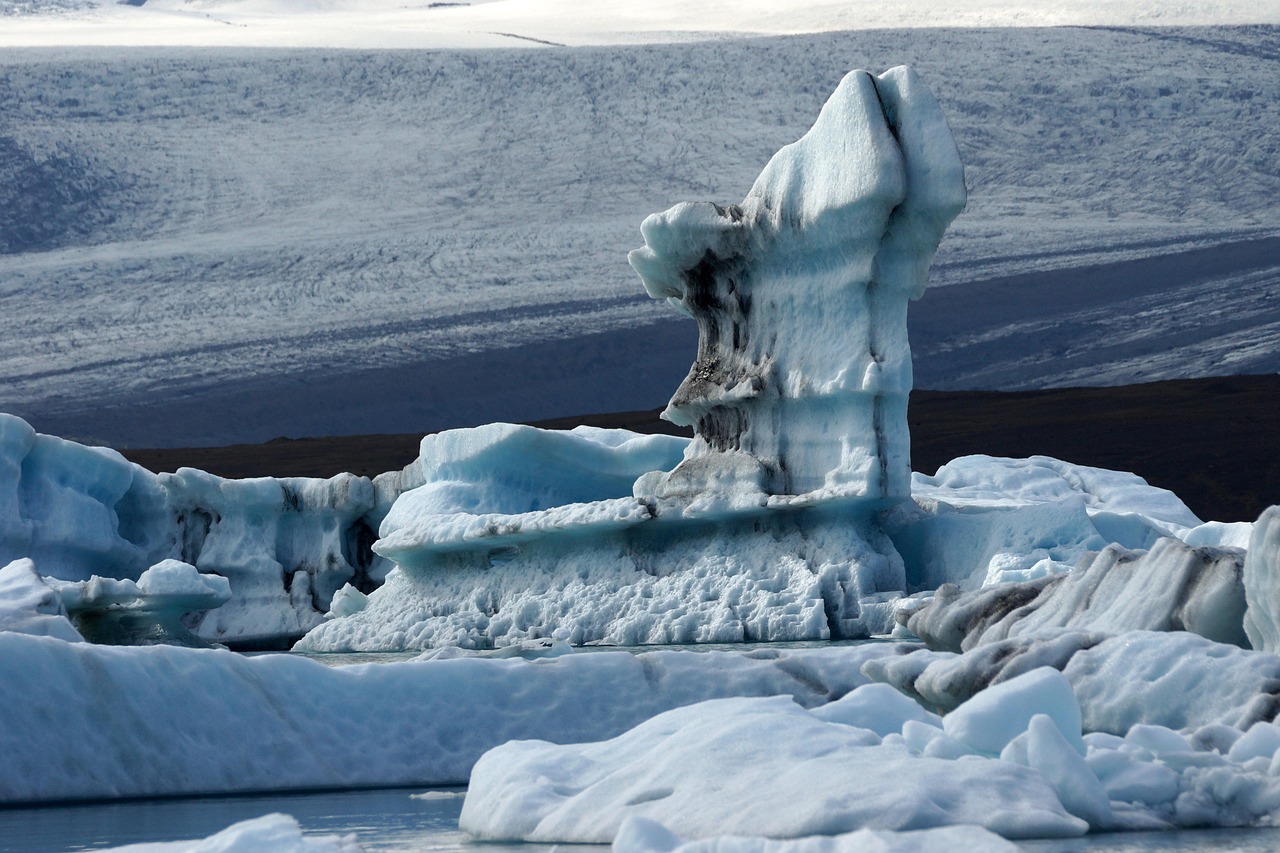
As glaciers and ice caps melt due to global warming, sea levels are rising, threatening coastal habitats. Mangroves, salt marshes, and seagrass beds are vital for coastal protection, carbon sequestration, and as nursery grounds for many marine species. Rising sea levels can inundate these habitats, leading to their loss and the subsequent loss of biodiversity and ecosystem services.
Additionally, higher sea levels can lead to increased erosion and salinity intrusion in coastal areas, affecting both marine and terrestrial ecosystems. Communities that rely on these ecosystems for their livelihoods may face significant challenges, including displacement and economic hardship.
Changes in Ocean Currents and Circulation
Climate change can also alter ocean currents and circulation patterns, which play a crucial role in regulating the global climate and supporting marine life. Changes in currents can affect the distribution of nutrients and oxygen in the ocean, impacting primary productivity and the health of marine ecosystems.

For instance, the slowdown of the Atlantic Meridional Overturning Circulation (AMOC) could have profound impacts on climate patterns and marine biodiversity. The AMOC influences weather systems and oceanic conditions, and its disruption could lead to more extreme weather events and shifts in marine habitats.
Implications for Marine Biodiversity
The transformation of marine environments due to climate change poses significant risks to biodiversity. Species that cannot adapt or migrate to suitable habitats may face extinction. The loss of biodiversity can weaken ecosystem resilience, making marine environments more susceptible to further stressors such as pollution and overfishing.
Conservation efforts must focus on protecting critical habitats, reducing carbon emissions, and implementing sustainable fishing practices to enhance the resilience of marine ecosystems. International cooperation and policy frameworks, such as those outlined in the United Nations Sustainable Development Goals, are essential for addressing these challenges on a global scale.
The Role of Technology and Innovation
Innovative technologies and scientific research play a crucial role in understanding and mitigating the impacts of climate change on marine life. Advanced satellite technology and AI-powered data analysis are enhancing our ability to monitor ocean conditions and predict future changes.
Furthermore, developments in marine biotechnology offer potential solutions for conserving marine biodiversity. For example, scientists are exploring coral reef restoration techniques using heat-resistant coral species, which could help preserve these vital ecosystems in a warming world.
Takeaways
The future of our oceans is inextricably linked to the actions we take today to address climate change. The transformation of marine life due to rising temperatures, ocean acidification, and other climate-related changes presents significant challenges, but also opportunities for innovation and collaboration.

By investing in sustainable practices and technologies, supporting conservation efforts, and fostering international cooperation, we can work towards a future where our oceans continue to thrive and support diverse marine life. The health of our oceans is crucial not only for the myriad species that inhabit them but also for the wellbeing of humanity and the planet as a whole.
For more information on the impacts of climate change on marine life and what can be done to mitigate these effects, visit resources like IUCN Marine and Polar and Smithsonian Ocean.
Engaging Communities for Ocean Conservation
Community involvement is crucial for the success of ocean conservation initiatives. Local communities, particularly those that depend on the ocean for their livelihoods, are often the most affected by climate change impacts. Engaging these communities in conservation efforts not only empowers them but also ensures that strategies are culturally appropriate and sustainable.
Programs that include traditional ecological knowledge in conservation planning can be particularly effective. Indigenous and local communities have long histories of coexisting with their natural environments, offering valuable insights into sustainable resource management. Integrating this knowledge with scientific research can lead to more effective conservation outcomes.
Education and Awareness
Raising awareness about the impact of climate change on marine life is essential for fostering a global movement towards conservation. Educational programs that inform the public about the importance of oceans and the threats they face can inspire action and support for policy changes. Schools, universities, and online platforms can play a significant role in disseminating information and promoting ocean literacy.
Public campaigns and documentaries highlighting the beauty and fragility of marine ecosystems can also engage wider audiences. By showcasing the wonders of the ocean and the species that inhabit it, these initiatives can cultivate a sense of stewardship and responsibility towards ocean conservation.
Collaborative Global Efforts
Addressing the challenges facing our oceans requires coordinated global efforts. International partnerships and agreements, such as the Paris Agreement, aim to limit global warming and its impacts. These efforts must continue to be strengthened and expanded to include specific targets for ocean conservation.
Organizations like the Ocean Conservancy play a vital role in advocating for ocean protection and sustainable policies. By collaborating with governments, NGOs, scientists, and the private sector, such organizations can drive significant progress in conserving marine environments and combating climate change.
Investing in Blue Economies
The concept of the blue economy emphasizes the sustainable use of ocean resources for economic growth, improved livelihoods, and ocean ecosystem health. Investing in blue economies involves balancing economic development with environmental stewardship to ensure the long-term health of marine ecosystems.
Renewable energy projects, such as offshore wind farms, can contribute to reducing carbon emissions while providing economic opportunities. Similarly, sustainable aquaculture practices can help meet the global demand for seafood without overexploiting wild fish populations.

Governments and businesses must work together to create regulatory frameworks and incentives that support sustainable practices and innovation in ocean-based industries. By doing so, they can promote economic resilience while ensuring the protection of marine ecosystems.
The Role of Citizen Science
Citizen science initiatives offer an exciting opportunity for individuals to contribute to ocean research and conservation. By engaging the public in data collection and observation, scientists can gather valuable information on marine species and ecosystems that would otherwise be difficult to obtain.
Projects such as marine species monitoring, beach clean-ups, and plastic pollution tracking empower citizens to take an active role in conservation efforts. These initiatives not only provide critical data but also raise awareness and foster a personal connection to the ocean and its inhabitants.
Conclusion: A Call to Action
The future of our oceans is at a crossroads. While climate change poses significant threats to marine life, there is still hope for reversing some of these impacts through concerted efforts and innovative solutions. It is imperative that individuals, communities, and nations unite to address the challenges and protect the vital resources that our oceans provide.
By prioritizing sustainable practices, investing in technology and innovation, and fostering global collaboration, we can work towards a future where our oceans continue to thrive. The responsibility lies with each of us to take action and support initiatives that safeguard the health of our oceans for generations to come.
To learn more about how you can contribute to ocean conservation and join the fight against climate change, explore resources provided by organizations like Marine Conservation Institute and Greenpeace.
About the Author


