How Climate Change is Altering the World’s Water Distribution System
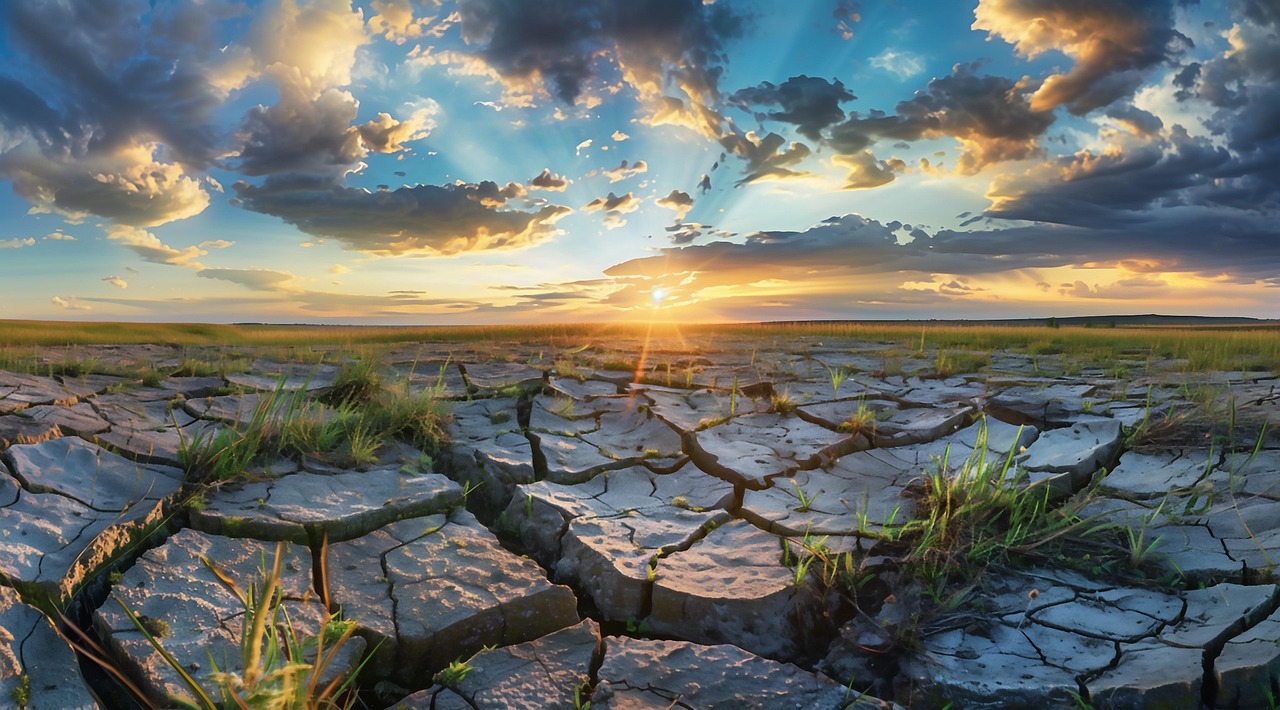
Climate change is an undeniable force that is reshaping our planet in profound ways. One of the most critical areas affected is the global water distribution system. Water is essential for all forms of life, and its availability and distribution are crucial for the survival of ecosystems, the functioning of industries, and the well-being of societies. As climate change accelerates, its impact on water distribution is becoming increasingly evident, affecting everything from precipitation patterns to river flows, and even groundwater reserves.
Understanding the Science Behind Water Distribution
Water distribution on Earth is a complex system governed by the hydrological cycle, which includes processes such as evaporation, condensation, precipitation, and runoff. This cycle is influenced by various factors, including temperature, pressure, and wind patterns. Climate change is altering these factors, leading to significant changes in the distribution of water resources worldwide.
One of the primary ways climate change affects water distribution is through changing precipitation patterns. Warmer temperatures increase the rate of evaporation, leading to more moisture in the atmosphere. This can result in more intense and frequent rainstorms in some regions, while others may experience prolonged droughts. For instance, the Intergovernmental Panel on Climate Change (IPCC) reports that regions such as the Mediterranean and Southern Africa are expected to experience decreased rainfall, while Northern Europe and parts of Asia may see an increase.
The Impact on River Systems and Lakes
Rivers and lakes are integral components of the global water distribution system, serving as sources of freshwater for drinking, agriculture, and industry. Climate change is having a profound impact on these systems. In many regions, altered precipitation patterns are leading to changes in river flow regimes. Some rivers are experiencing reduced flow, while others are subject to increased flooding.
For example, the Colorado River in the United States, which supplies water to millions of people across several states, is seeing decreased flows due to reduced snowpack in the Rocky Mountains. Similarly, the National Geographic highlights how reduced snowmelt and prolonged drought have significantly impacted water availability in the river basin.
Groundwater Reserves: A Hidden Crisis
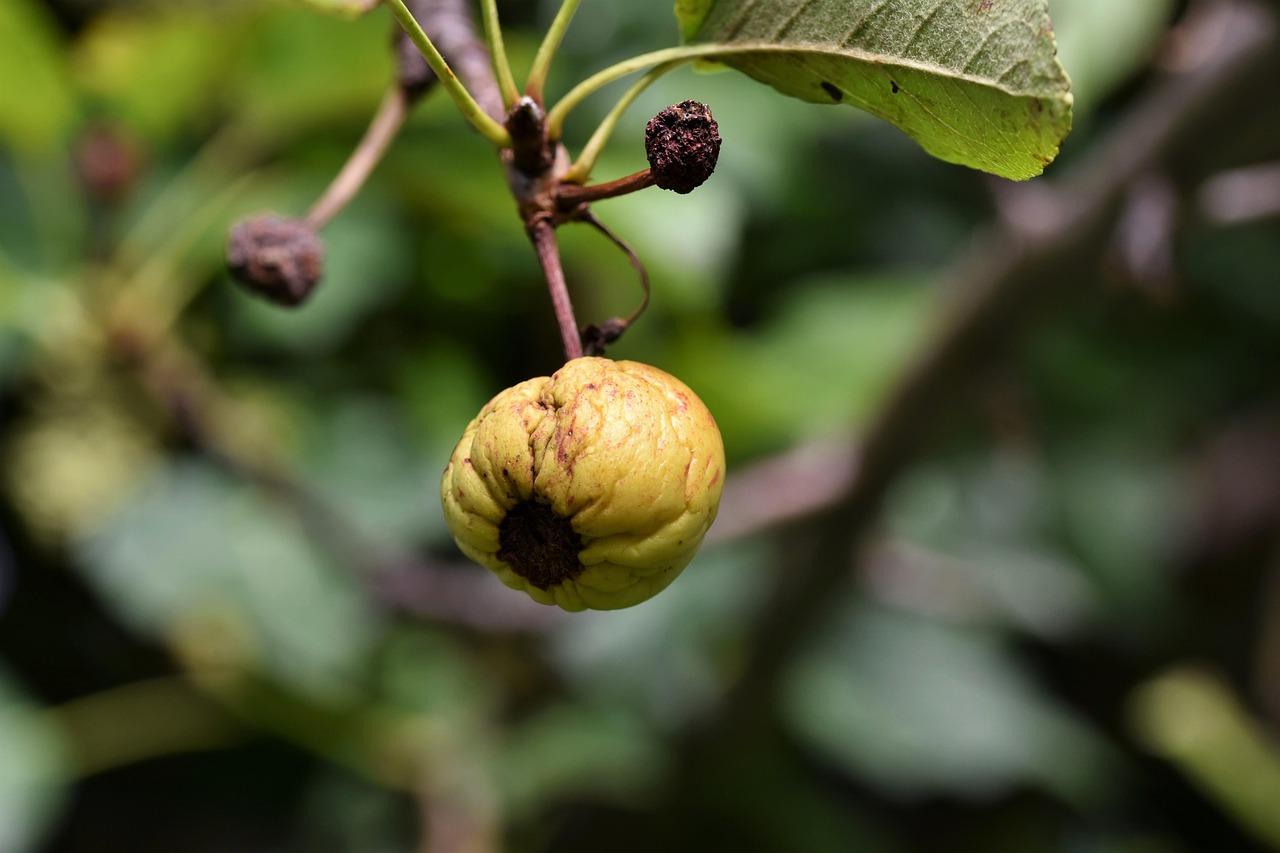
Groundwater is a critical resource that sustains agriculture, drinking water supplies, and ecosystems, especially during dry periods when surface water is scarce. However, climate change is having a significant impact on groundwater reserves. In many areas, increased evaporation rates and reduced recharge from precipitation are leading to declining groundwater levels.
This is particularly concerning in regions that rely heavily on groundwater for agriculture, such as India and California. The NASA Goddard Space Flight Center has documented significant declines in groundwater levels in these regions, raising concerns about the long-term sustainability of water resources.
Sea Level Rise and Its Consequences
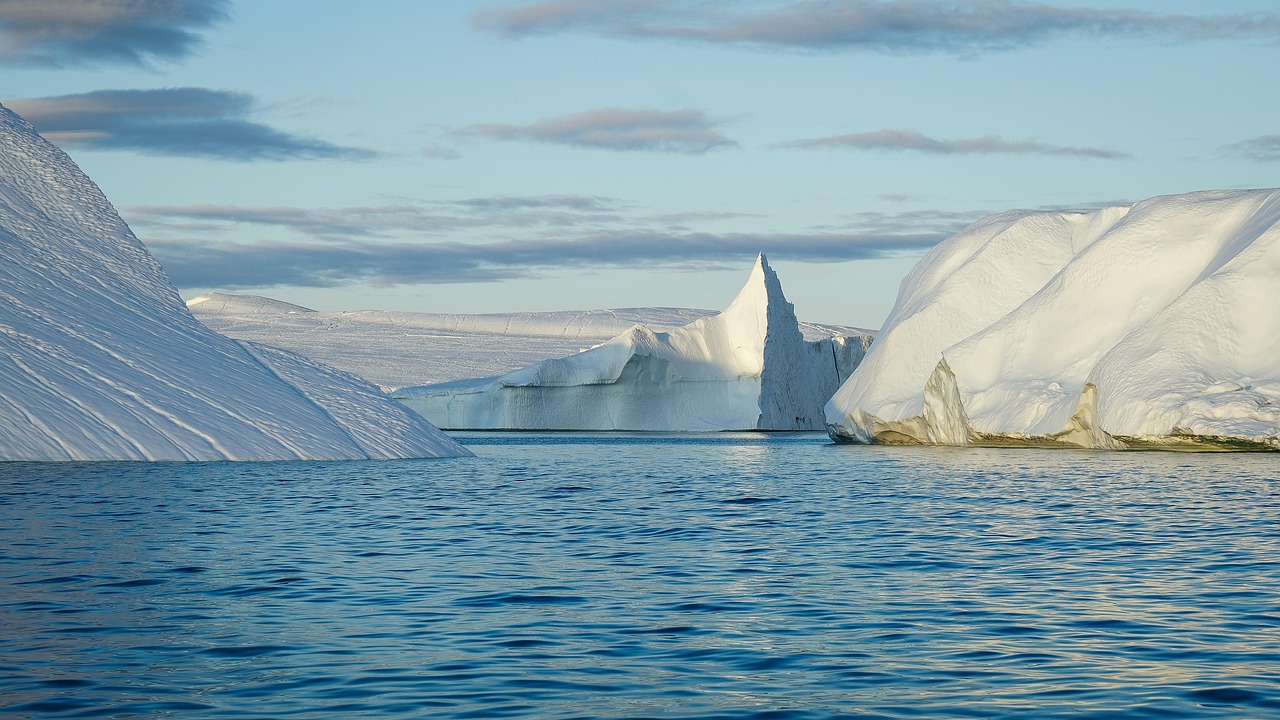
Another significant consequence of climate change is sea level rise, which is caused by the melting of glaciers and ice caps, as well as the thermal expansion of seawater as it warms. Rising sea levels pose a threat to coastal freshwater systems, as saltwater intrusion can contaminate aquifers and estuaries.
This is a growing concern in low-lying coastal regions worldwide, where communities rely on freshwater lenses for their water supply. For instance, small island nations in the Pacific are particularly vulnerable, as rising sea levels threaten to inundate freshwater sources. The NASA Climate Change site provides detailed information on the effects of sea level rise on global water systems.
Implications for Agriculture and Food Security
The alteration of the global water distribution system has significant implications for agriculture and food security. Changes in precipitation patterns and water availability directly affect crop yields and the viability of agricultural areas. Regions that were once fertile may become unsuitable for agriculture, while others may experience increased productivity.
For example, the shifting monsoon patterns in South Asia are affecting the timing and intensity of rains, which are critical for rice and wheat production. Similarly, in sub-Saharan Africa, erratic rainfall and prolonged droughts are challenging traditional farming practices, leading to food insecurity.
Adapting to a Changing Water Landscape
As the impacts of climate change on the world’s water distribution system become more pronounced, adaptation strategies are essential to mitigate risks and ensure water security. These strategies include improving water management practices, investing in infrastructure to capture and store rainwater, and developing technologies for more efficient water use.
Governments and communities are increasingly focusing on integrated water resource management (IWRM), which considers the entire hydrological cycle and aims to balance social, economic, and environmental needs. Additionally, innovations in water-saving technologies, such as drip irrigation and desalination, play a crucial role in enhancing water resilience.
Takeaways
Climate change is undeniably altering the world’s water distribution system, with profound implications for ecosystems, agriculture, and human societies. Understanding these changes and their consequences is essential for developing effective adaptation and mitigation strategies. By prioritizing sustainable water management and investing in innovative solutions, we can build resilience against the challenges posed by climate change and ensure a secure water future for generations to come.
The Role of Policy and International Cooperation
Addressing the challenges posed by climate change on water distribution systems requires robust policy frameworks and international cooperation. Governments play a crucial role in formulating policies that promote sustainable water management practices. These policies need to be adaptive and responsive to the dynamic nature of climate impacts.
International cooperation is also vital, as water resources often cross national boundaries. Effective management of transboundary water resources requires collaboration among nations to ensure equitable and sustainable use. Organizations like the United Nations Water facilitate dialogue and cooperation among countries, promoting integrated approaches to water resource management.
Community-Based Solutions and Indigenous Knowledge
In many regions, local communities and indigenous peoples are on the front lines of climate change impacts on water resources. These communities often possess traditional knowledge and practices that can contribute to sustainable water management. Incorporating indigenous knowledge into modern water management strategies can enhance resilience and adaptability.
Community-based solutions, such as rainwater harvesting, reforestation, and the restoration of wetlands, are effective in managing local water resources. Empowering communities to take an active role in water management ensures that solutions are culturally relevant and sustainable.
The Importance of Education and Public Awareness
Raising public awareness about the impacts of climate change on water distribution is essential for fostering a collective response. Education initiatives can help communities understand the importance of water conservation and the role they can play in mitigating climate impacts.
Schools, universities, and media outlets have a critical role in disseminating information about water management and conservation. By educating the public, these institutions can empower individuals to adopt water-saving practices and advocate for policies that promote sustainable water use.
Technological Innovations in Water Management
Technological advancements offer promising solutions for addressing the challenges of water distribution in a changing climate. Innovations such as smart irrigation systems, remote sensing technologies, and advanced water purification methods are revolutionizing water management practices.
For example, satellite technology allows for real-time monitoring of water resources, enabling more efficient management and allocation. Additionally, advances in desalination technology are making it more feasible to convert seawater into freshwater, providing a potential solution for water-scarce regions.
Future Perspectives and Challenges
Looking ahead, the impacts of climate change on water distribution will continue to evolve, posing ongoing challenges for resource management. As global temperatures rise, the intensity and frequency of extreme weather events are expected to increase, further stressing water systems.
The challenge lies in balancing immediate needs with long-term sustainability. Policymakers, scientists, and communities must work together to develop adaptive strategies that ensure water security while preserving ecosystems. The integration of science, policy, and community engagement will be crucial in navigating the complexities of a changing water landscape.

Takeaways
The transformation of the world’s water distribution system due to climate change is a pressing issue that demands immediate attention and action. By understanding the intricate ways in which climate change affects water resources, we can develop comprehensive solutions that promote resilience and sustainability. Emphasizing collaboration, innovation, and education will be key to addressing these challenges and ensuring a secure water future for all.
As we confront the realities of a changing climate, it is imperative that we recognize the interconnectedness of water systems and the global community. By working together, we can preserve this vital resource and protect the well-being of our planet and its inhabitants.
Case Studies: Regional Impacts and Responses
To understand the diverse impacts of climate change on water distribution, it is helpful to examine specific regions and their unique challenges and responses. These case studies highlight how local conditions can influence both the effects of climate change and the adaptive strategies employed.
Case Study 1: The Sahel Region, Africa
The Sahel, a semi-arid region in Africa, has experienced significant climatic variability, with periods of drought and erratic rainfall patterns. These conditions have affected water availability, leading to food insecurity and the displacement of communities. In response, local governments and organizations have implemented initiatives such as the Great Green Wall project, aiming to restore degraded lands and improve water retention through reforestation and sustainable agricultural practices.
Case Study 2: The Mekong River Basin, Southeast Asia
The Mekong River is a critical water source for millions of people across several countries, including China, Thailand, and Vietnam. Climate change has led to altered flow patterns, threatening agriculture and fisheries. Collaborative efforts, such as the Mekong River Commission, focus on regional cooperation to manage water resources sustainably and mitigate the impacts of climate change through joint research and policy development.
Case Study 3: The American Southwest, United States

The American Southwest is experiencing prolonged droughts and decreasing snowpack, affecting water resources for agriculture, urban use, and ecosystems. Innovative solutions such as water banking, where water rights holders store excess water underground for future use, are being explored. Additionally, cities like Las Vegas are investing in advanced water recycling technologies to reduce dependency on diminishing surface water supplies.
Investing in Resilience: Financial and Institutional Support
Building resilience against the impacts of climate change on water distribution requires significant financial investment and institutional support. Governments, international organizations, and private sectors play a critical role in financing water infrastructure projects, research, and technology development.
The World Bank and other financial institutions are investing in water projects that aim to enhance water security and improve management practices. These investments support initiatives such as constructing dams and reservoirs, upgrading irrigation systems, and developing early warning systems for floods and droughts.
The Path Forward: Collaborative Action
Addressing the challenges posed by climate change on water distribution systems requires a concerted effort from all sectors of society. Governments, scientists, businesses, and communities must work together to develop innovative solutions and implement effective policies.
Collaborative action is essential for sharing knowledge, resources, and technologies that can enhance global water security. By fostering partnerships across sectors and borders, we can create a more resilient and sustainable future, ensuring that water remains a viable resource for all.
Final Thoughts
As we face the evolving impacts of climate change, it is crucial to remain vigilant and proactive in our efforts to manage and protect water resources. The challenges are significant, but so are the opportunities for innovation and collaboration. By embracing a holistic approach that integrates science, policy, and community engagement, we can navigate the complexities of a changing water landscape and secure a prosperous future for generations to come.
In conclusion, the transformation of the world’s water distribution system is both a challenge and an opportunity. By acknowledging the interconnectedness of our global community and committing to sustainable practices, we can preserve this vital resource and build a resilient future in the face of climate change.
About the Author


