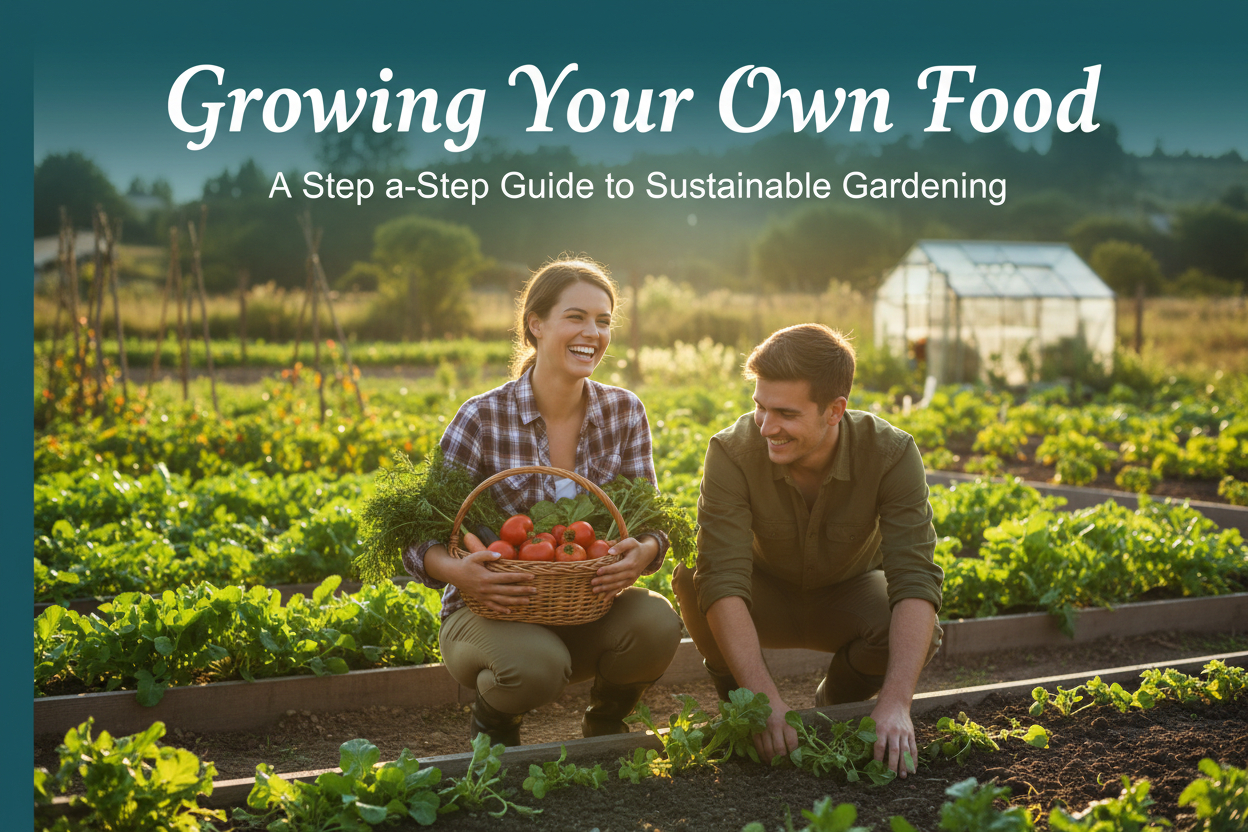
Growing Your Own Food: A Step-by-Step Guide to Sustainable Gardening
In recent years, the movement towards sustainable living has gained significant momentum. One of the most impactful ways to embrace sustainability is by growing your own food. Whether you have a sprawling backyard or a small balcony, sustainable gardening can help you reduce your carbon footprint, save money, and enjoy fresh, organic produce. This comprehensive guide will lead you through the essential steps to start your own sustainable garden.
Understanding Sustainable Gardening
Sustainable gardening is all about cultivating plants in a way that maintains and improves the health of the environment. It involves using resources wisely, minimizing waste, and ensuring that your gardening practices have a positive impact on the ecosystem. This approach not only benefits the environment but also enhances the quality of the food you grow.
Planning Your Sustainable Garden
Before you start digging, it’s crucial to plan your garden thoughtfully. Consider the following steps:
1. Assess Your Space
Evaluate the amount of space you have available for gardening. Whether it’s a large yard or a small balcony, understanding your space will help you determine what you can grow and how to arrange your plants.
2. Choose the Right Plants
Select plants that are well-suited to your climate and soil conditions. Native plants are often the best choice, as they require less water and maintenance. For a beginner, easy-to-grow vegetables like tomatoes, lettuce, and radishes are ideal starting points.
3. Design Your Garden Layout

Think about the layout of your garden to maximize space and sunlight exposure. Consider using vertical gardening techniques or raised beds to optimize small areas.
Preparing the Soil
Healthy soil is the foundation of a successful garden. Here’s how to prepare your soil for planting:
1. Test Your Soil
Conduct a soil test to determine its pH and nutrient levels. This information will help you amend the soil appropriately. You can purchase a soil testing kit or send a sample to a local agricultural extension service for analysis.
2. Add Organic Matter
Incorporate organic matter like compost or well-rotted manure into your soil to improve its structure, drainage, and nutrient content. Organic matter also encourages beneficial microorganisms that promote plant health.
3. Mulch the Soil
Apply a layer of mulch around your plants to retain moisture, suppress weeds, and regulate soil temperature. Natural mulches such as straw, wood chips, or shredded leaves are sustainable options.
Sustainable Gardening Practices
Implementing sustainable practices in your garden will ensure its long-term health and productivity.
1. Water Wisely
Conserve water by using efficient irrigation methods such as drip irrigation or soaker hoses. Water your garden early in the morning or late in the evening to minimize evaporation. Consider collecting rainwater in barrels for an eco-friendly water source.
For more tips on water conservation, visit the WaterSense program.
2. Practice Crop Rotation
Rotate your crops each season to prevent soil nutrient depletion and reduce pest and disease buildup. Crop rotation involves changing the location of your plants to avoid growing the same species in the same spot year after year.

3. Use Natural Pest Control
Encourage beneficial insects like ladybugs and bees by planting a variety of flowers. Use natural pest control methods such as neem oil, insecticidal soap, or homemade remedies to keep harmful pests at bay without resorting to chemical pesticides.
Explore more about natural pest control at the Gardener’s Supply Company.
Harvesting and Maintaining Your Garden
Once your garden is thriving, it’s essential to maintain it properly and enjoy the fruits of your labor.
1. Regular Maintenance
Keep your garden healthy by regularly weeding, pruning, and inspecting for pests or diseases. Consistent maintenance will ensure your plants grow strong and yield abundant produce.
2. Harvesting Tips
Harvest your crops at the right time for optimal flavor and nutrition. Each plant has specific indicators for when it’s ready to be picked. For example, tomatoes should be harvested when they are fully colored and slightly soft to the touch.
3. Composting
Recycle garden waste by composting it. Composting not only reduces waste but also creates nutrient-rich soil that can be used to enhance your garden. You can learn more about composting from the EPA’s composting guide.
The Benefits of Growing Your Own Food
Growing your own food offers numerous advantages that go beyond sustainability:
- Healthier Diet: Homegrown produce is fresher and more nutritious than store-bought alternatives.
- Cost Savings: Reducing grocery bills by growing your own fruits and vegetables can be significant.
- Environmental Impact: Decrease carbon emissions and pesticide use by consuming locally grown food.
- Emotional Well-being: Gardening is a rewarding activity that reduces stress and promotes mental health.

For more information on the benefits of sustainable gardening, visit the USDA’s Soil Health page.
Takeaways
Embarking on the journey of growing your own food is a fulfilling step towards sustainable living. By following the sustainable gardening practices outlined in this guide, you can enjoy fresh, nutritious produce while nurturing the environment. Remember, every small effort counts in creating a healthier and more sustainable planet. Happy gardening!
Advanced Techniques for Sustainable Gardening
Once you have mastered the basics of sustainable gardening, you may wish to explore more advanced techniques that can further enhance your garden’s productivity and ecological impact.
1. Permaculture Design
Permaculture is a holistic approach to design that mimics natural ecosystems. It involves creating a self-sustaining environment where plants, animals, and humans coexist harmoniously. Key principles include diversity, natural patterns, and resource recycling. Implementing permaculture can lead to a more resilient and productive garden.
For a deeper understanding of permaculture, explore resources from the Permaculture Research Institute.
2. Companion Planting

Companion planting involves growing certain plants together to enhance growth, repel pests, and improve flavor. For instance, planting basil near tomatoes can enhance the flavor of both, while marigolds can deter nematodes. Understanding these relationships can help you optimize your garden’s output and health.
3. Seed Saving
Saving seeds from your best plants is a sustainable practice that allows you to cultivate plants well-suited to your specific environment. Over time, this can lead to a more resilient garden with plants that are better adapted to local conditions. Ensure that you save seeds from open-pollinated or heirloom varieties to maintain genetic diversity.
Incorporating Technology in Sustainable Gardening
Technology can play a significant role in enhancing the efficiency and effectiveness of your sustainable garden.
1. Smart Irrigation Systems
Utilize smart irrigation systems that can be controlled via smartphone to optimize water usage. These systems can adjust watering schedules based on weather conditions, ensuring that your plants receive the right amount of water at the right time.
2. Gardening Apps
Several apps can assist you in tracking planting schedules, identifying plants, and diagnosing plant diseases. These tools can be invaluable for both novice and experienced gardeners, providing guidance and insights that improve garden management.
3. Online Gardening Communities
Join online gardening forums and communities where you can share experiences, ask questions, and learn from fellow gardeners. Engaging with a community can provide support and inspiration as you develop your sustainable gardening skills.
Addressing Common Challenges in Sustainable Gardening
While sustainable gardening offers many rewards, it also comes with its own set of challenges. Here are some common issues and how to overcome them:
1. Pest Infestations

Pests can be a persistent problem in any garden. To manage infestations sustainably, encourage natural predators, use physical barriers, and employ natural repellents. Maintaining a diverse garden can also help keep pest populations in check.
2. Soil Depletion
Over time, soil can become depleted of essential nutrients. Combat this by practicing crop rotation, adding organic amendments, and using cover crops to enrich the soil. Regularly testing your soil can help you address nutrient deficiencies before they become problematic.
3. Climate Variability
Changes in climate can affect growing conditions, leading to unpredictable weather patterns. Selecting resilient plant varieties, mulching to conserve moisture, and providing shade can help mitigate the impacts of extreme weather.
Conclusion: Your Path to Sustainable Living
Growing your own food is a rewarding journey that aligns with the principles of sustainable living. By adopting sustainable gardening practices, you can create a thriving ecosystem that benefits both you and the environment. As you continue to learn and adapt, your garden will become a testament to the power of nature and human ingenuity working in harmony. Embrace the challenge, enjoy the process, and savor the fruits of your labor as you contribute to a more sustainable future.
For additional resources and support on your sustainable gardening journey, consider connecting with local gardening groups or visiting the Los Angeles County Arboretum & Botanic Garden for workshops and expert advice.
About the Author