
Growing Your Own Food: A Step-by-Step Guide to Sustainable Gardening
In today’s fast-paced world, sustainable living has become more than just a trend; it’s a necessity. One of the most rewarding and effective ways to embrace this lifestyle is by growing your own food. Not only does it provide fresh produce, but it also reduces your carbon footprint and connects you with nature. Whether you have a sprawling backyard or a small balcony, sustainable gardening is within your reach. This comprehensive guide will walk you through the steps to start your own garden, ensuring a bountiful harvest while nurturing the environment.
Why Choose Sustainable Gardening?
Sustainable gardening is not just about growing plants; it’s about fostering an ecosystem that thrives on its own. By avoiding harmful chemicals and opting for organic practices, you contribute to a healthier planet. Moreover, sustainable gardening supports biodiversity, conserves water, and enhances soil quality. It’s a holistic approach that benefits both the gardener and the environment.
Getting Started: Planning Your Garden
Before you plant the first seed, it’s essential to plan your garden. Start by selecting a suitable location. Ideally, choose a spot that receives at least six hours of sunlight daily. If space is limited, consider vertical gardening or container gardening. Next, think about what you want to grow. Consider your dietary preferences and research which plants thrive in your local climate. Beginners might start with hardy vegetables like tomatoes, lettuce, and carrots.
Creating a garden plan is not only about choosing the right plants but also about designing the layout. Companion planting—growing plants that benefit each other—can enhance growth and deter pests. For example, planting marigolds alongside tomatoes can prevent nematodes. Utilize companion planting guides to make informed choices.
Soil Preparation and Composting
Healthy soil is the foundation of a successful garden. Start by testing your soil to determine its pH and nutrient levels. This information will guide you in making necessary amendments. Organic matter, such as compost, improves soil fertility and structure. Composting is a sustainable way to recycle kitchen scraps and yard waste into a valuable resource for your garden. To start a compost pile, alternate layers of green material (fruit peels, vegetable scraps) with brown material (leaves, straw), and turn the pile regularly to speed up decomposition.

For those new to composting, there are numerous resources online, such as the EPA’s composting guide, that offer step-by-step instructions. Enriching your soil with compost not only boosts plant health but also reduces the need for chemical fertilizers.
Water Conservation Techniques
Water is a precious resource, and conserving it should be a priority in sustainable gardening. Implementing water-saving techniques not only helps the environment but also reduces your utility bills. Consider installing a rain barrel to collect rainwater for irrigation. Drip irrigation systems are efficient as they deliver water directly to the plant roots, minimizing evaporation. Mulching is another effective method; it retains soil moisture and suppresses weeds.
For more advanced water conservation strategies, explore outdoor water-saving tips. By adopting these practices, you can ensure your garden remains lush and productive even during dry spells.
Natural Pest Management
One of the challenges of gardening is dealing with pests. Instead of resorting to chemical pesticides, opt for natural alternatives. Encourage beneficial insects like ladybugs and bees, which prey on harmful pests and improve pollination. Planting herbs such as basil and mint can repel insects naturally. Additionally, regular crop rotation disrupts pest life cycles and reduces infestations.
Many gardeners find success with homemade remedies, such as a garlic spray that deters aphids. For further insights into natural pest control, visit natural pest deterrents that offer detailed methods for keeping your garden healthy.
Harvesting and Preserving Your Produce
The fruits of your labor are best enjoyed fresh, but preserving your harvest ensures you can savor it year-round. Learn the best time to pick each type of vegetable and fruit to enjoy peak flavors and nutritional value. Techniques like canning, freezing, and drying extend the shelf life of your produce.

Preserving food is an art that requires practice and patience. Start with simple methods, such as making pickles or jams, and gradually explore other options. Resources like the National Center for Home Food Preservation provide comprehensive guides on different preservation techniques.
Conclusion: Embrace the Journey to Sustainability
Growing your own food is a journey filled with learning and rewards. As you cultivate your garden, you’ll deepen your connection with nature and contribute to ecological balance. Sustainable gardening is more than a hobby; it’s a way to nurture the planet while providing for yourself and your family. Whether you’re a seasoned gardener or a novice, the steps outlined in this guide will help you create a thriving, sustainable garden. Embrace the challenge, and watch as your efforts bear fruit—literally and figuratively.
By following these principles, you’ll not only enjoy the benefits of fresh, homegrown produce but also play a crucial role in promoting a more sustainable future.
Community Engagement and Sharing
One of the most fulfilling aspects of sustainable gardening is the opportunity to engage with your community. Sharing your gardening experiences and produce with neighbors can strengthen community bonds and spread awareness about sustainable practices. Consider starting or joining a community garden, where resources and knowledge are pooled to benefit everyone involved.
Community gardens often become hubs of social interaction, education, and cooperation. They provide a space for people to learn from each other, exchange seeds, and even host workshops. If you’re interested in starting a community garden, look for guidance from organizations like the American Community Gardening Association, which offers resources and support for garden initiatives.
Educating Future Generations
Instilling the values of sustainable living in younger generations is crucial for a healthier planet. Involve children in your gardening activities, teaching them about the life cycle of plants, the importance of biodiversity, and the joys of growing food. Hands-on learning in the garden can ignite a lifelong passion for sustainability and environmental stewardship.
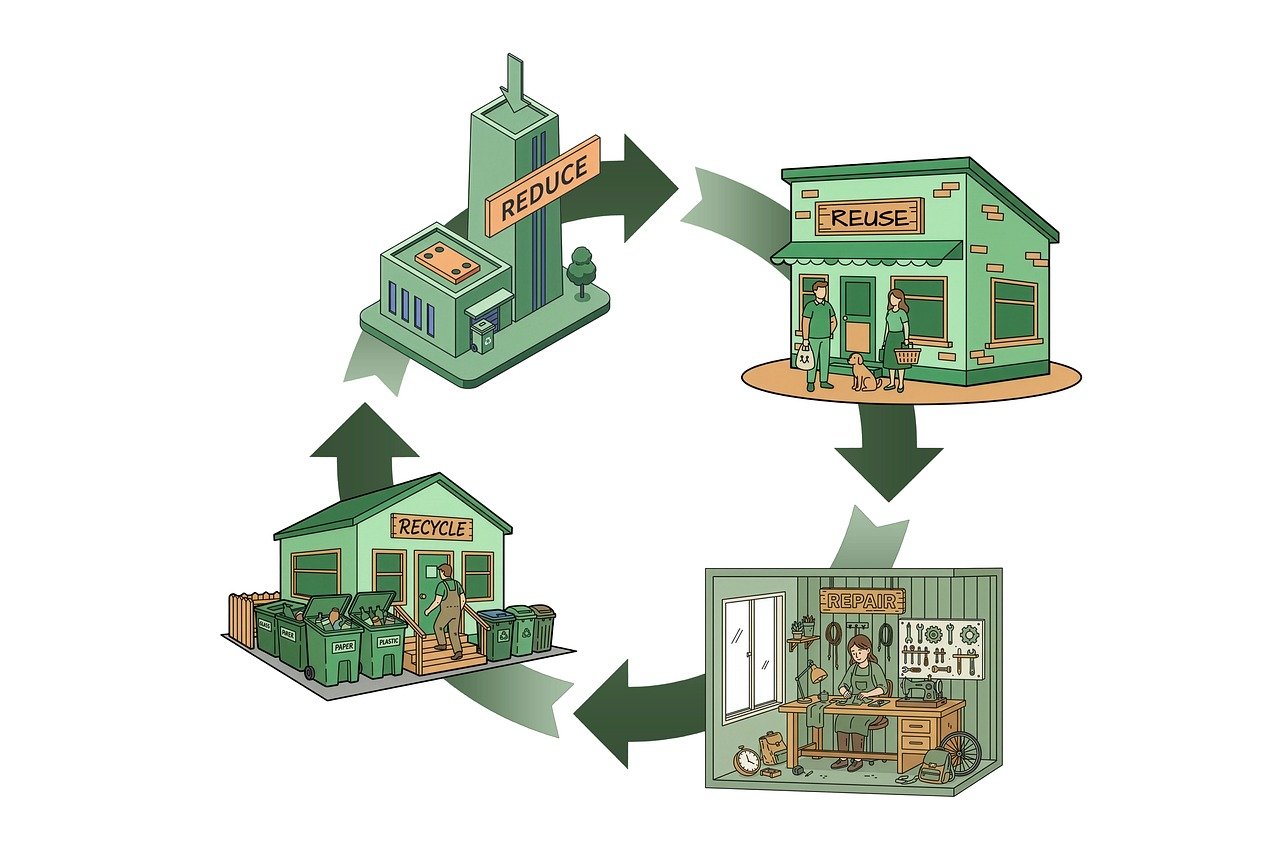
Schools and educational programs increasingly incorporate gardening into their curricula, recognizing its benefits for student well-being and learning. If you’re a parent or educator, consider advocating for garden-based learning in your local schools. Resources like KidsGardening provide lesson plans and ideas to engage children with gardening.
Exploring Advanced Sustainable Practices
Once you’ve mastered the basics of sustainable gardening, you might explore more advanced practices. Techniques like permaculture and aquaponics offer innovative ways to create self-sustaining ecosystems. Permaculture involves designing agricultural landscapes that mimic natural ecosystems, using principles such as energy efficiency and closed-loop systems.
Aquaponics combines aquaculture (raising fish) with hydroponics (growing plants in water), creating a symbiotic environment where fish waste provides nutrients for the plants, and the plants naturally filter the water. These methods can maximize space and resource efficiency, making them ideal for those looking to expand their sustainable gardening repertoire.
For those interested in diving deeper into these practices, the Permaculture Principles website offers valuable insights and guides to get started.
Overcoming Challenges in Sustainable Gardening
Every gardener faces challenges, whether it’s unexpected weather changes, pest infestations, or plant diseases. The key to overcoming these obstacles lies in adaptability and continuous learning. Stay informed about new gardening techniques and solutions by connecting with online gardening communities and forums where fellow gardeners share experiences and advice.
Weather unpredictability, influenced by climate change, may require adjusting planting schedules or selecting more resilient plant varieties. Keep a gardening journal to track what works and what doesn’t, helping you make informed decisions in the future. Remember, sustainable gardening is a journey, and every challenge is an opportunity to learn and grow.
Reflecting on the Impact of Your Efforts

As you progress in your sustainable gardening journey, take time to reflect on the impact of your efforts. Consider the reduction in your household’s carbon footprint, the improvement in your health from consuming fresh produce, and the contribution to local biodiversity. Celebrate these achievements and use them as motivation to continue and expand your sustainable practices.
Sustainable gardening is more than just a personal endeavor; it’s a movement towards a healthier, more resilient world. By choosing to grow your own food sustainably, you join a global community committed to preserving the Earth for future generations. Embrace this responsibility and the joy it brings, knowing that every seed you plant is a step towards a more sustainable future.
Integrating Technology in Sustainable Gardening
The integration of technology in gardening practices can enhance efficiency and productivity. From smartphone apps that help identify plants and diagnose diseases to smart irrigation systems that optimize water usage, technology offers numerous tools to support sustainable gardening efforts.
Smart irrigation systems, for example, can be programmed to water plants based on soil moisture levels and weather forecasts, significantly reducing water waste. Similarly, garden planning apps can help you design your garden layout, track planting schedules, and even suggest companion plants for optimal growth.
For those interested in leveraging technology, consider exploring resources like Soil Association, which provides insights into organic and sustainable practices enhanced by technology.
Building Resilience Through Diversity
Diversity in your garden not only enhances its beauty but also its resilience. By planting a wide variety of crops, you increase the chances of having a successful harvest even if some plants fail due to pests or disease. Diversity also attracts a wider range of beneficial insects and pollinators, creating a balanced ecosystem.
Consider incorporating heirloom varieties into your garden. These plants are often more genetically diverse than modern hybrids and can be more adaptable to local growing conditions. Heirloom seeds can be sourced from reputable suppliers or seed swaps with other gardeners, promoting genetic diversity and sustainability.

Sharing Your Journey
Documenting and sharing your sustainable gardening journey can inspire others to embark on their own. Use social media platforms, blogs, or local workshops to share your successes and challenges. By doing so, you contribute to a larger community of gardeners committed to sustainable practices, creating a network of support and knowledge exchange.
Consider starting a gardening blog or YouTube channel where you can post tutorials, updates, and tips for fellow gardeners. Engaging with online communities on platforms like Instagram or gardening forums allows you to connect with gardeners worldwide, exchange ideas, and foster a sense of community.
Looking Ahead: The Future of Sustainable Gardening
As global awareness of environmental issues continues to grow, the future of sustainable gardening looks promising. Innovations in sustainable agriculture and gardening techniques are constantly being developed, offering new ways to enhance productivity while minimizing environmental impact. Embrace these advancements and stay informed about emerging trends to keep your garden thriving.
Looking ahead, sustainable gardening will likely play a crucial role in urban environments, with rooftop gardens and vertical farming becoming more commonplace. These practices not only provide fresh produce but also improve air quality and reduce urban heat.
Ultimately, the future of sustainable gardening depends on the collective efforts of individuals, communities, and organizations. By continuing to prioritize sustainability in your gardening practices, you contribute to a global movement towards a more sustainable, food-secure world.
Final Thoughts
Embarking on the journey of sustainable gardening is both exciting and rewarding. From planning and planting to harvesting and sharing, each step offers opportunities for learning and growth. By adopting sustainable practices, you not only enhance your own well-being but also contribute to the health of the planet.
Remember, sustainable gardening is a continuous process that evolves with each season. Stay curious, embrace challenges, and celebrate your successes, no matter how small. As more people join the movement, we move closer to a future where sustainable living and gardening are the norm, ensuring a healthier planet for generations to come.
So, grab your gardening tools, plant that first seed, and watch as your sustainable garden flourishes, knowing that you are making a meaningful impact on the world.
About the Author