
Exploring the Connection Between Climate Change and Extreme Weather Events
In recent years, the frequency and intensity of extreme weather events have sparked global concern, leading to intense discussions about their underlying causes. One prominent factor that has gained attention is climate change. As our planet’s climate undergoes significant shifts, the correlation between climate change and extreme weather events becomes increasingly evident. This blog post delves into this critical topic, examining the scientific evidence, exploring specific examples, and discussing potential future implications.
Understanding Climate Change
Climate change refers to long-term alterations in temperature, precipitation patterns, and other atmospheric conditions on Earth. It is primarily driven by human activities, such as the burning of fossil fuels, deforestation, and industrial processes, which release greenhouse gases like carbon dioxide and methane into the atmosphere. These gases trap heat, leading to a gradual warming of the planet, a phenomenon commonly known as global warming.
To gain a deeper understanding of climate change, it’s essential to consider its impact on global weather patterns. As average temperatures rise, the Earth’s climate system is disrupted, resulting in more frequent and severe weather events. The Intergovernmental Panel on Climate Change (IPCC) has extensively documented the causal relationship between climate change and weather anomalies, highlighting the urgent need for international cooperation in addressing this issue.
The Link Between Climate Change and Extreme Weather Events

Extreme weather events encompass a wide range of natural phenomena, including hurricanes, droughts, floods, heatwaves, and wildfires. Scientific research has established a clear connection between climate change and the increased occurrence of these events. Let’s explore some key examples:
Hurricanes and Tropical Storms
Hurricanes and tropical storms are among the most destructive natural disasters, causing significant damage to infrastructure and loss of life. Climate change has intensified these storms by increasing ocean temperatures, which provide the energy needed for their formation. Warmer oceans lead to more powerful storms with greater rainfall and higher wind speeds. For instance, the devastating impact of Hurricane Harvey in 2017 was exacerbated by climate change-related sea level rise and warmer waters in the Gulf of Mexico.
Droughts and Heatwaves
Droughts and heatwaves are becoming more frequent and severe due to climate change. Rising temperatures increase evaporation rates, leading to drier soils and prolonged periods of drought. Moreover, heatwaves are becoming more intense and longer-lasting, posing significant threats to human health and agriculture. In 2021, the Pacific Northwest of the United States experienced a record-breaking heatwave, resulting in numerous fatalities and highlighting the urgent need for adaptive measures.
Floods and Heavy Rainfall
Climate change is also linked to increased flooding and heavy rainfall events. Warmer air holds more moisture, leading to heavier and more intense rainfall. This phenomenon has been observed in many regions, resulting in flash floods and landslides. For example, the catastrophic flooding in Germany and Belgium in 2021 was partially attributed to climate change, emphasizing the need for improved infrastructure and early warning systems.
Wildfires
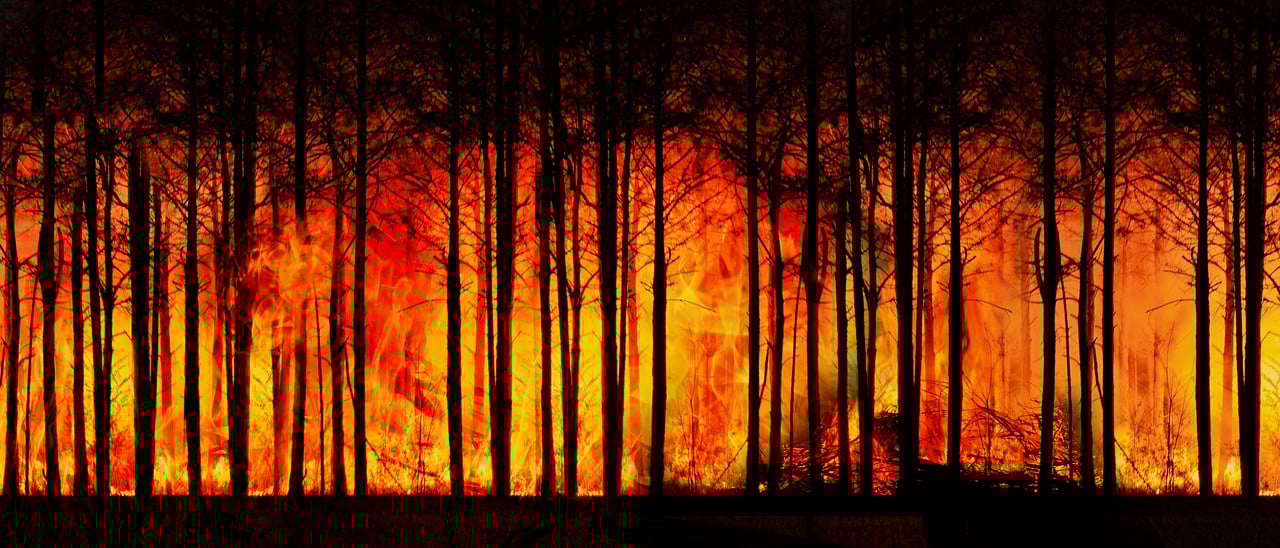
Wildfires have become more prevalent and destructive in recent years, with climate change playing a significant role. Rising temperatures and prolonged droughts create ideal conditions for wildfires to ignite and spread rapidly. The devastating wildfires that ravaged Australia in 2019-2020 serve as a stark reminder of the link between climate change and these catastrophic events. The fires destroyed millions of acres of land and resulted in substantial ecological and economic losses.
Future Implications and Mitigation Strategies
As climate change continues to accelerate, the frequency and severity of extreme weather events are expected to increase. This poses significant challenges for societies worldwide, impacting agriculture, water resources, public health, and infrastructure. To address these challenges, it is crucial to implement effective mitigation and adaptation strategies.
Reducing Greenhouse Gas Emissions
One of the most critical steps in mitigating climate change is reducing greenhouse gas emissions. Transitioning to renewable energy sources, improving energy efficiency, and adopting sustainable transportation options are essential components of this effort. By curbing emissions, we can slow the pace of global warming and reduce the likelihood of extreme weather events.
Enhancing Resilience and Adaptation
Building resilience to extreme weather events is vital for minimizing their impact on communities. This includes investing in climate-resilient infrastructure, implementing early warning systems, and developing emergency response plans. Additionally, enhancing water management practices and promoting sustainable agriculture can help mitigate the effects of droughts and floods. The United Nations emphasizes the importance of adaptation strategies to address the challenges posed by climate change.
International Cooperation and Policy Initiatives
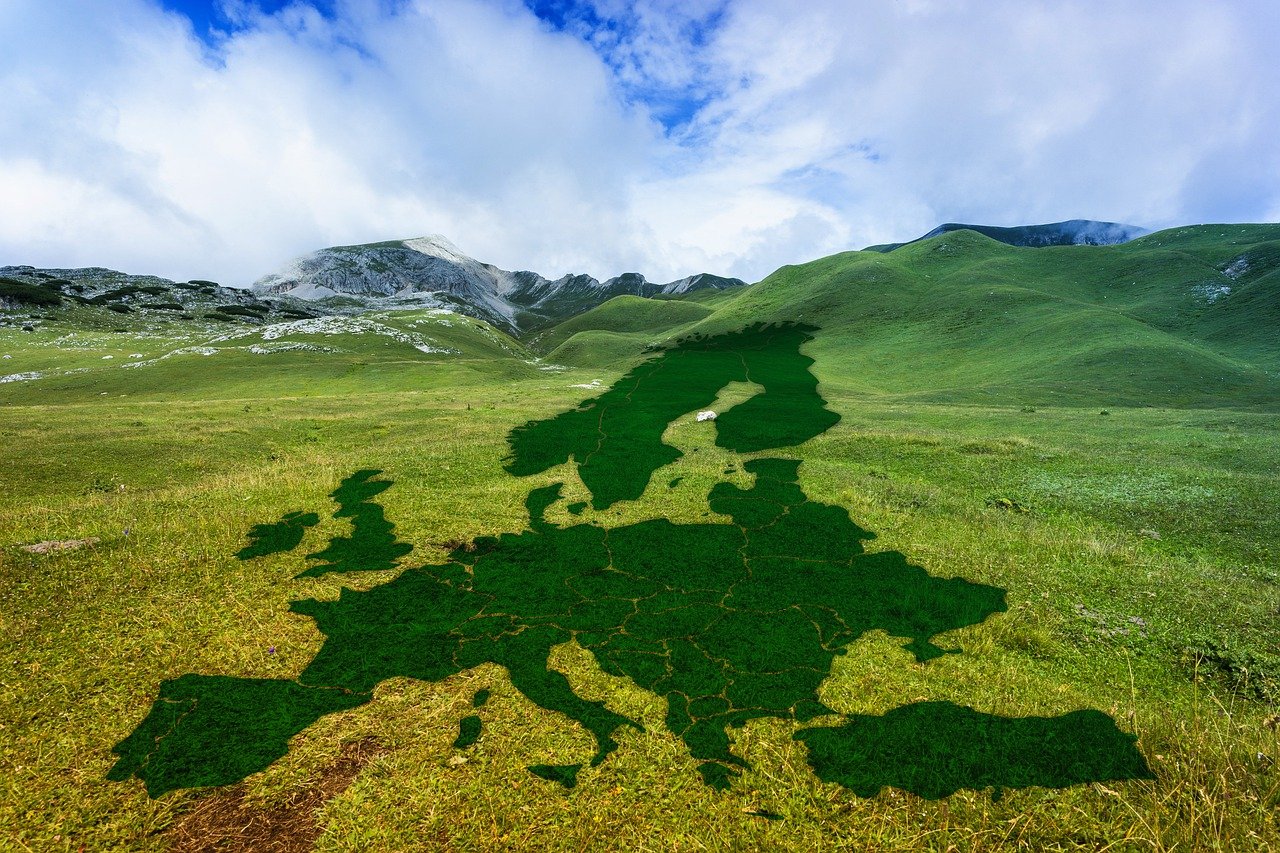
Tackling climate change and its associated extreme weather events requires international collaboration and comprehensive policy initiatives. The Paris Agreement, adopted in 2015, represents a significant step forward in global efforts to combat climate change. Countries worldwide are working together to limit global temperature rise and promote sustainable development. Continued cooperation and commitment to international agreements are essential for addressing the root causes of climate change.
Takeaways
The connection between climate change and extreme weather events is undeniable, with scientific evidence highlighting the increasing frequency and intensity of these phenomena. As our planet continues to warm, the need for immediate action becomes more pressing. By understanding the link between climate change and extreme weather, we can develop effective strategies to mitigate their impact and build a more resilient future.
Ultimately, addressing climate change requires a collective effort from individuals, communities, and governments worldwide. By taking proactive measures to reduce emissions, enhance resilience, and foster international cooperation, we can mitigate the effects of climate change and protect our planet for future generations. The time to act is now, and the responsibility lies with each of us to drive meaningful change.
The Role of Education and Public Awareness
Public awareness and education play a critical role in addressing climate change and its impact on extreme weather events. By informing communities about the causes and consequences of climate change, individuals can make informed decisions and advocate for sustainable practices. Educational programs in schools, community workshops, and media campaigns can help disseminate knowledge and foster a culture of environmental stewardship.
Moreover, integrating climate change education into school curricula can empower the younger generation to become proactive agents of change. By understanding the science behind climate change and its effects, students can develop innovative solutions and participate in initiatives aimed at reducing carbon footprints. Engaging young minds in such discussions ensures a more sustainable future.
Technological Innovations and Research
Technological advancements and ongoing research are pivotal in combating climate change and mitigating extreme weather events. Innovations in renewable energy, such as solar panels, wind turbines, and energy storage systems, are crucial for reducing reliance on fossil fuels and decreasing greenhouse gas emissions. Additionally, research into carbon capture and storage technologies offers promising solutions for eliminating carbon dioxide from the atmosphere.
Furthermore, advancements in climate modeling and data analytics enable scientists to better predict and understand weather patterns. This knowledge aids in developing more accurate forecasts and early warning systems, allowing communities to prepare for extreme weather events more effectively. Collaborative efforts between governments, research institutions, and private sectors are essential for driving technological innovation.
The Importance of Ecosystem Preservation
Ecosystems play a vital role in regulating the Earth’s climate and mitigating the effects of climate change. Forests, wetlands, and oceans act as carbon sinks, absorbing carbon dioxide and stabilizing the climate. Protecting and restoring these ecosystems is essential for maintaining biodiversity and enhancing resilience to extreme weather events.
Deforestation and habitat destruction have exacerbated climate change, leading to increased vulnerability to extreme weather. Therefore, conservation efforts are crucial in preserving natural habitats and promoting sustainable land use practices. Initiatives such as reforestation, afforestation, and marine conservation can significantly contribute to climate change mitigation and adaptation.

Individual Actions and Community Engagement
While large-scale policy changes and technological innovations are essential, individual actions and community engagement are equally important in addressing climate change. Simple lifestyle changes, such as reducing energy consumption, minimizing waste, and supporting sustainable products, can collectively make a significant impact. Promoting sustainable practices within communities fosters a sense of collective responsibility and encourages others to follow suit.
Local initiatives, such as community gardens, tree planting campaigns, and recycling programs, empower individuals to contribute positively to the environment. By working together, communities can build resilience to extreme weather events, support local biodiversity, and create a more sustainable future for all.
A Call to Action
As we face the growing threat of climate change and its associated extreme weather events, it is imperative to take decisive action. Governments, businesses, and individuals must collaborate to implement comprehensive strategies that address the root causes of climate change and build resilience against its impacts. By embracing sustainable practices, supporting renewable energy, and preserving natural ecosystems, we can create a more sustainable and resilient world.
Moreover, continued research and innovation are crucial for developing new solutions and advancing our understanding of climate change. Investment in clean technologies and sustainable infrastructure will pave the way for a greener future. The time to act is now, and each of us has a role to play in safeguarding our planet for future generations.
In conclusion, the connection between climate change and extreme weather events is clear and pressing. By understanding the science, raising awareness, and taking proactive measures, we can mitigate the effects of climate change and protect our communities from the increasing threat of extreme weather. Together, we can build a more sustainable, resilient, and equitable future for all.
About the Author


