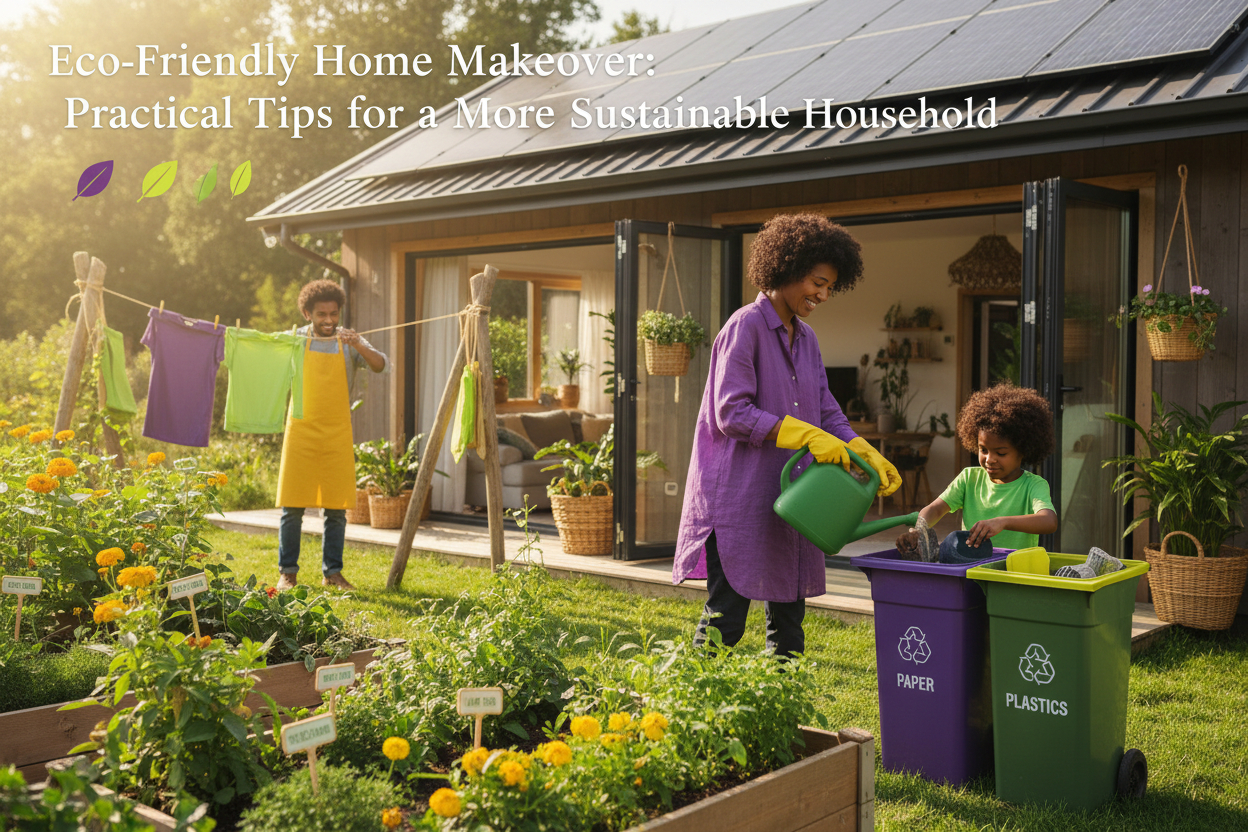
Eco-Friendly Home Makeover: Practical Tips for a More Sustainable Household
In recent years, the importance of living sustainably has gained momentum. With climate change becoming a significant concern globally, many individuals are seeking ways to reduce their carbon footprint and make their homes more eco-friendly. Transforming your home into a green oasis doesn’t have to be an overwhelming task. With a few practical changes, you can significantly lower your environmental impact and create a healthier living environment. This comprehensive guide will provide you with actionable tips and insights for an eco-friendly home makeover.
Understanding the Importance of Sustainability at Home
Before diving into the practical steps, it’s essential to understand why sustainability in the home matters. Homes are a significant source of energy consumption, waste production, and water usage. By making conscious choices, you can reduce energy use, minimize waste, and conserve water. Not only does this benefit the environment, but it also promotes a healthier lifestyle and can even lower your utility bills.
Energy Efficiency: A Key Component
One of the most impactful ways to make your home more sustainable is by improving energy efficiency. This can be achieved through various methods:
Upgrade to Energy-Efficient Appliances
Modern appliances are designed to use less energy while providing the same level of performance. Consider replacing old appliances with Energy Star certified models that consume less electricity and water.
Optimize Lighting
Switching to LED lighting is a simple yet effective way to reduce energy consumption. LEDs use up to 80% less energy than traditional incandescent bulbs and last significantly longer, reducing the frequency of replacements.
Insulation and Windows
Proper insulation and high-quality windows can prevent heat loss during the winter and keep your home cool in the summer. Consider investing in double-glazed windows and adding insulation to your attic and walls to enhance your home’s thermal efficiency.
Water Conservation Techniques

Water is a precious resource, and conserving it is crucial for sustainability. Here are some strategies to reduce water usage:
Install Low-Flow Fixtures
Low-flow toilets, showerheads, and faucets can significantly reduce water consumption without sacrificing performance. These fixtures are designed to use less water while maintaining adequate pressure and flow.
Rainwater Harvesting
Collecting rainwater for outdoor use is an excellent way to conserve water. Installing a rain barrel can provide a supply of water for gardening and landscaping, reducing the need for municipal water.
Waste Reduction and Recycling
Reducing waste and recycling are fundamental aspects of a sustainable home:
Composting
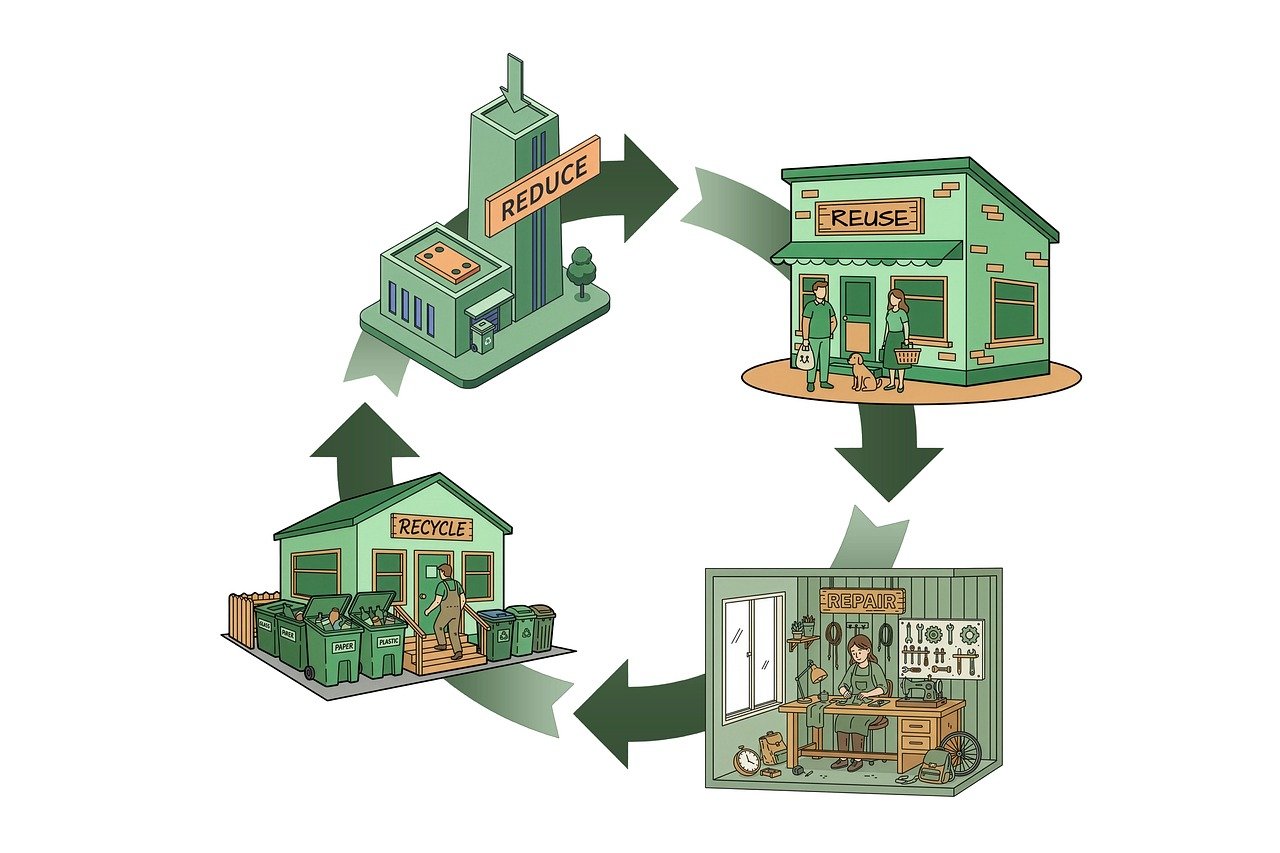
Composting organic waste reduces landfill contributions and creates nutrient-rich soil for gardening. Start a compost bin in your backyard to recycle food scraps and yard waste.
Mindful Consumption
Being conscious of what you buy and opting for products with minimal packaging can significantly cut down on waste. Choose reusable items over disposable ones and support companies with sustainable practices.
Sustainable Home Materials and Furnishings
Incorporating sustainable materials into your home is another step towards eco-friendliness:
Eco-Friendly Flooring
Opt for flooring made from sustainable materials like bamboo or cork. These options are not only durable but also environmentally friendly.
Non-Toxic Paints
Traditional paints often contain volatile organic compounds (VOCs) that can harm indoor air quality. Choose low-VOC or VOC-free paints to ensure a healthier home environment.
Reclaimed and Recycled Materials
Incorporate reclaimed wood and recycled materials into your home design. These materials reduce the demand for new resources and add unique character to your space.
Incorporating Green Technology
Adopting smart technology can further enhance your home’s sustainability:
Smart Thermostats
Smart thermostats learn your schedule and adjust heating and cooling to optimize energy use. They can be controlled remotely, allowing you to manage energy consumption even when you’re not home.
Solar Panels
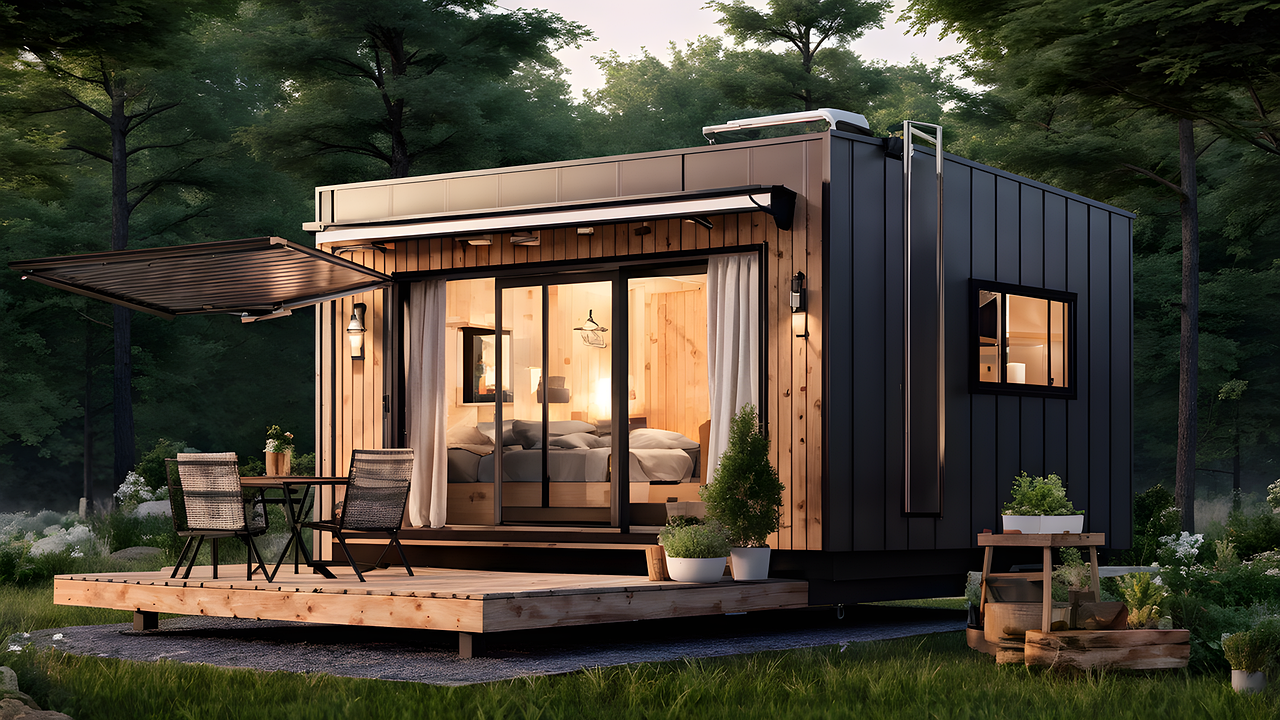
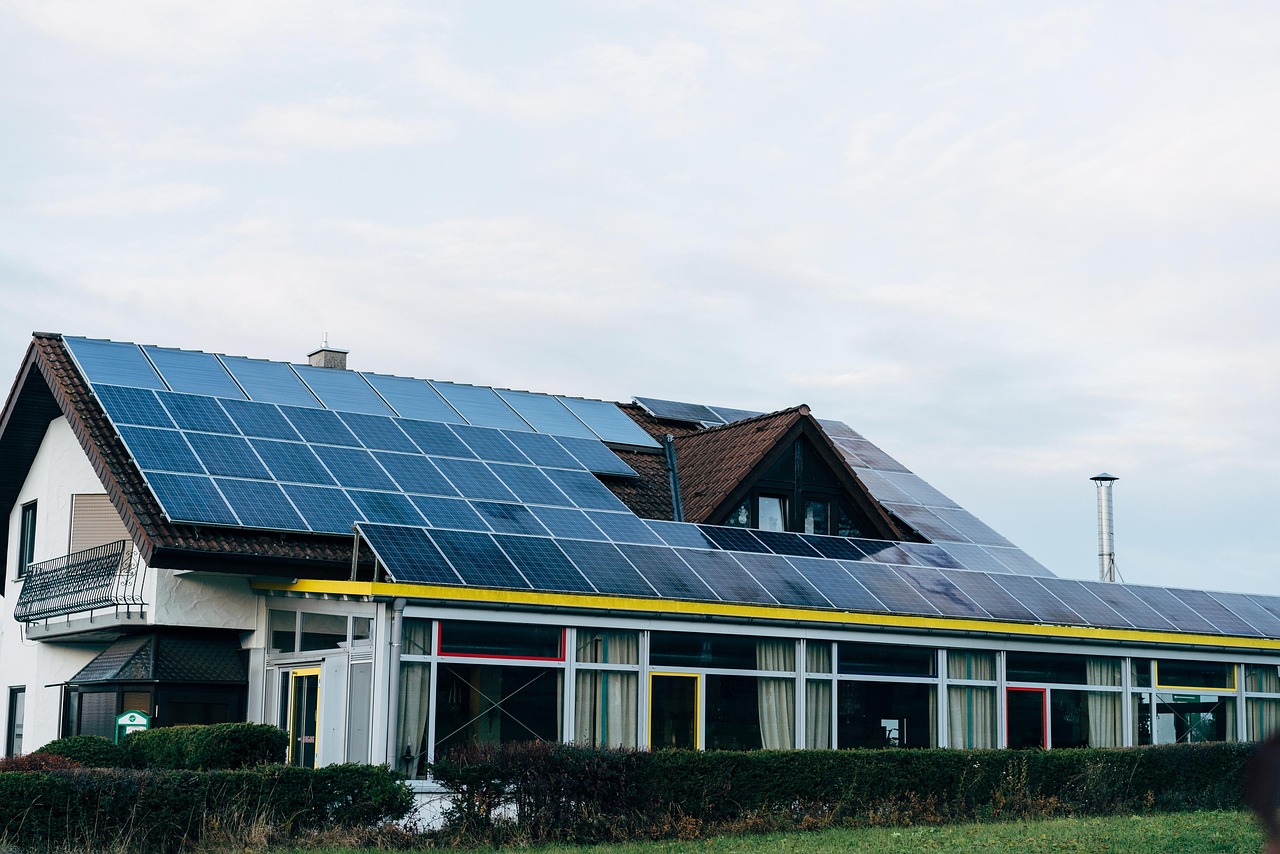
Investing in solar panels is a significant step towards energy independence. Solar energy is renewable and can substantially decrease your reliance on non-renewable energy sources.
Creating a Green Outdoor Space
The exterior of your home is just as important as the interior when it comes to sustainability:
Native Plant Landscaping
Choose native plants for your garden that require less water and maintenance. Native plants are adapted to your local climate, making them more resilient and beneficial for local wildlife.
Organic Gardening
Practice organic gardening by using natural fertilizers and pest control methods. This approach protects soil health and supports biodiversity in your garden.
Conclusion: Making a Commitment to Sustainability
Transforming your home into an eco-friendly haven is a rewarding endeavor that benefits both the environment and your well-being. By implementing these practical tips, you can enjoy a more sustainable lifestyle while inspiring others to do the same. Remember, every small change contributes to a larger positive impact. As you embark on this journey, continue to educate yourself and explore new ways to enhance your home’s sustainability. For more resources and inspiration, visit Sustainable Living Association and join the growing community of environmentally conscious homeowners.
Engaging the Whole Household in Sustainability
Creating an eco-friendly home is a collective effort that involves everyone in the household. Here are some ways to engage your family or roommates in sustainable practices:
Educate and Inspire
Start by educating those you live with about the benefits of sustainability. Share documentaries, articles, and books on the topic. Encourage discussions and brainstorming sessions to generate new ideas for making your home more sustainable.
Set Goals Together
Work with your household to set achievable sustainability goals. Whether it’s reducing energy usage by a certain percentage, cutting down on single-use plastics, or starting a household compost bin, having common objectives fosters teamwork and accountability.
Implement a Reward System
Incentivize sustainable actions with a reward system. This can be particularly effective with children, who may enjoy small rewards for remembering to turn off lights or helping sort recyclables.
Exploring Community Resources for Sustainability
Your community can be an excellent resource for learning and implementing sustainable practices:
Join Local Environmental Groups
Get involved with local environmental organizations or groups. These communities often host workshops, cleanups, and other events that provide education and hands-on experience in sustainability.
Utilize Public Resources
Many municipalities offer resources such as recycling centers, composting programs, and workshops on sustainable living. Check your local government’s website for information on available resources that can help you in your eco-friendly journey.
Participate in Community Gardens
Community gardens are an excellent way to grow your own food sustainably. They offer a space to learn about organic gardening while fostering a sense of community and shared responsibility for the environment.
The Long-Term Benefits of an Eco-Friendly Home
Making your home more sustainable has numerous long-term benefits that extend beyond immediate cost savings:
Increased Property Value
Sustainable homes often have a higher market value due to their energy efficiency and modern, eco-friendly features. Potential buyers are increasingly interested in homes that offer reduced utility costs and a smaller environmental footprint.
Healthier Living Environment
Eco-friendly homes tend to have better indoor air quality due to the use of non-toxic materials and effective ventilation systems. This can lead to fewer health issues and a generally more pleasant living environment.
Contributing to a Sustainable Future
By adopting sustainable practices at home, you contribute to a larger global movement towards environmental responsibility. Every action you take helps pave the way for a sustainable future, ensuring that natural resources are preserved for generations to come.
Conclusion: A Journey Worth Taking
Embarking on the journey to create a more sustainable home is a fulfilling and impactful endeavor. By implementing the strategies discussed, you can make significant strides towards reducing your environmental impact and fostering a healthier living space. Remember that sustainability is a continuous journey, not a destination. Stay informed, be open to new ideas, and celebrate each milestone along the way. For further reading and resources, check out the World Wildlife Fund’s climate initiatives to understand broader global efforts in sustainability. Together, we can make a difference, one home at a time.
Innovative Trends in Sustainable Home Design
As the demand for eco-friendly homes grows, innovative trends in sustainable design are emerging. These trends not only focus on reducing environmental impact but also enhance the functionality and aesthetic appeal of homes:
Passive House Design
Passive house design is a rigorous standard for energy efficiency in a building, reducing its ecological footprint. It results in ultra-low energy buildings that require little energy for heating or cooling. By incorporating features like high-performance windows and an airtight building envelope, passive homes maintain a comfortable temperature year-round with minimal energy use.
Green Roofs and Living Walls
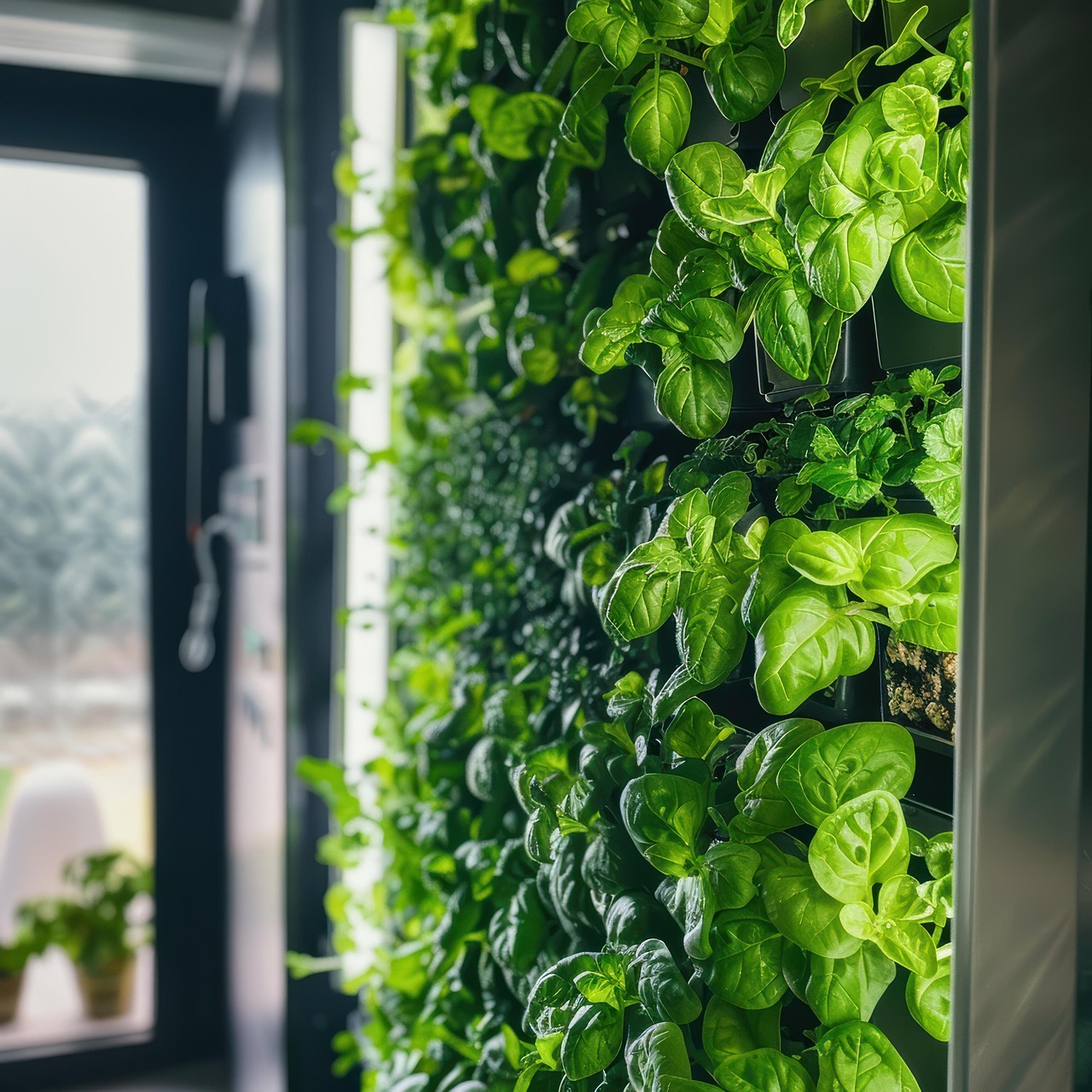
Green roofs and living walls are becoming popular in urban areas where space is limited. These features not only provide insulation but also improve air quality, reduce stormwater runoff, and create habitats for wildlife. They add a stunning visual element to homes and contribute significantly to urban biodiversity.
Biophilic Design
Biophilic design involves incorporating natural elements into the home environment, fostering a connection with nature. This can include the use of natural materials, ample natural light, indoor plants, and water features. Such designs have been shown to enhance well-being and reduce stress, making them an excellent choice for sustainable living.
Financial Incentives for Sustainable Home Improvements
Adopting sustainable practices in your home can be more affordable with the help of various financial incentives:
Government Rebates and Tax Credits
Many governments offer rebates and tax credits for energy-efficient upgrades, such as installing solar panels, upgrading insulation, or purchasing energy-efficient appliances. Checking with local and federal agencies can help you take advantage of these financial benefits.
Green Financing Options
Financial institutions are increasingly offering green loans or mortgages with favorable terms for homeowners looking to invest in sustainable home improvements. These options can make it easier to afford the initial costs of eco-friendly upgrades.
Utility Company Incentives
Some utility companies provide incentives for customers who reduce their energy consumption or participate in energy-saving programs. These might include discounts on energy-efficient appliances or lower rates for off-peak usage.
Challenges and Solutions in Creating a Sustainable Home
While the benefits of a sustainable home are numerous, there can be challenges along the way. Here are some common obstacles and solutions:
Initial Costs
The upfront cost of sustainable upgrades can be a barrier for many homeowners. However, prioritizing projects with the highest return on investment and seeking out financial incentives can mitigate this challenge.
Finding Reliable Information
With the vast amount of information available, it can be difficult to discern reliable sources. Consulting reputable websites, such as the U.S. Green Building Council, can provide accurate and up-to-date information on sustainable practices and products.
Balancing Aesthetics and Sustainability
Some may worry that sustainable design will compromise their home’s aesthetic appeal. However, with the increasing variety of eco-friendly materials and design options available, it’s possible to create a home that is both beautiful and sustainable.
Final Thoughts on Your Eco-Friendly Home Makeover
Embarking on an eco-friendly home makeover is a meaningful way to contribute to environmental conservation while enhancing your quality of life. By understanding the importance of sustainability, exploring innovative trends, and utilizing available resources, you can transform your home into a sustainable sanctuary. Remember, every step you take towards sustainability, no matter how small, makes a difference. Keep learning, stay inspired, and continue to innovate in your journey towards a greener future.
About the Author