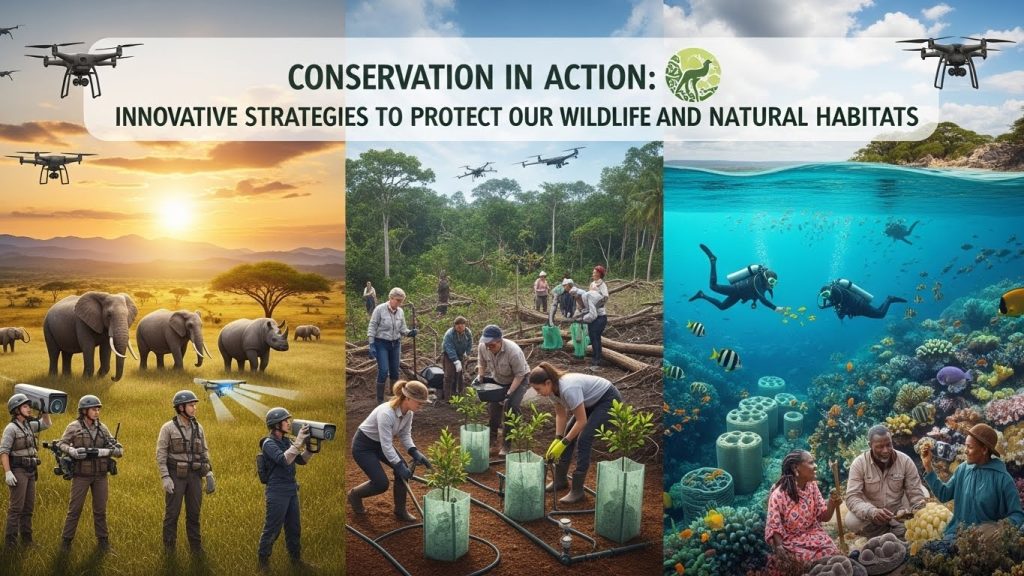
Conservation in Action: Innovative Strategies to Protect Our Wildlife and Natural Habitats
In the face of rapidly changing climates and escalating human activities, the conservation of wildlife and natural habitats has never been more crucial. This blog post delves into the myriad strategies that are being implemented globally to safeguard our planet’s biodiversity. From cutting-edge technologies to community-driven initiatives, conservation efforts are evolving to meet the challenges of the 21st century.
The Importance of Conservation
Conservation is critical not only for the preservation of biodiversity but also for maintaining ecological balance and supporting human livelihoods. Healthy ecosystems provide vital services such as clean air and water, pollination of crops, and climate regulation. The loss of flora and fauna disrupts these processes and jeopardizes the well-being of all life forms.
Technological Innovations in Conservation
One of the most promising developments in conservation is the application of advanced technologies. Drones, for instance, are revolutionizing how we monitor wildlife populations and habitats. Equipped with high-resolution cameras and sensors, drones offer a cost-effective and efficient way to collect data over vast areas, providing insights into animal movements and habitat conditions.
Another technological breakthrough is the use of artificial intelligence (AI) in data analysis. AI algorithms can process large datasets from camera traps, acoustic sensors, and satellite imagery to identify species, track changes in habitat, and even predict future trends. This enables conservationists to make informed decisions and prioritize areas that require immediate intervention.
Community-Based Conservation
While technology plays a significant role, the involvement of local communities is equally vital. Community-based conservation approaches empower local populations to manage and protect their natural resources. By involving communities in decision-making processes and providing them with the necessary tools and education, conservation initiatives are more likely to succeed.
For instance, in parts of Africa, community conservancies have been established to promote sustainable wildlife management. These conservancies not only protect wildlife but also provide economic opportunities through ecotourism and sustainable agriculture, benefiting both the environment and local livelihoods.
Conservation Through Policy and Legislation
Effective conservation requires robust policy frameworks and legislative measures. Governments worldwide are implementing laws to protect endangered species and habitats. International agreements such as the Convention on Biological Diversity aim to encourage countries to set biodiversity targets and collaborate on a global scale.
Protected areas, such as national parks and wildlife reserves, are a cornerstone of conservation policy. These areas safeguard habitats from human encroachment and provide safe havens for threatened species. However, the effectiveness of protected areas depends on adequate funding, management, and enforcement to prevent illegal activities such as poaching and logging.
Restoration Ecology: Rebuilding Natural Habitats
In addition to protecting existing habitats, restoration ecology focuses on repairing damaged ecosystems. Restoration projects aim to reestablish native vegetation, restore soil health, and reintroduce key species to their former habitats. Successful examples of restoration can be seen in the reforestation efforts in the Amazon and the restoration of wetlands in Europe and North America.
Restoration not only enhances biodiversity but also improves ecosystem services such as carbon sequestration, water filtration, and flood control. It is an essential component of conservation strategies, particularly in areas where human activities have significantly altered the landscape.
Challenges and Future Directions
Despite the progress made, conservation efforts face numerous challenges. Climate change, habitat fragmentation, pollution, and invasive species continue to threaten biodiversity. Moreover, conservation initiatives often struggle with limited funding and resources, hampering their effectiveness.
Looking ahead, it is crucial to adopt a holistic approach that integrates conservation with sustainable development. Collaborative efforts between governments, NGOs, local communities, and the private sector can create synergies that enhance conservation outcomes. Furthermore, raising public awareness and fostering a sense of global responsibility are key to ensuring the long-term success of conservation initiatives.
Takeaways
Conservation is a dynamic and multifaceted field that requires innovative strategies and collective action. By leveraging technology, empowering communities, enforcing policies, and restoring habitats, we can protect our wildlife and natural environments for future generations. The journey towards a sustainable future is a shared responsibility, and it is imperative that we all contribute to the global conservation movement.
For more information on how you can get involved in conservation efforts, visit organizations like the International Union for Conservation of Nature and the Conservation International to learn about ongoing projects and volunteer opportunities worldwide.
Education and Awareness: A Key to Conservation Success
Education and awareness are fundamental to the success of conservation efforts. By educating the public about the importance of biodiversity and the threats facing our planet, we can inspire people to take action. Environmental education programs in schools and communities play a crucial role in shaping future generations’ attitudes toward nature.
Interactive platforms and social media campaigns are also effective tools for spreading awareness. By sharing success stories and highlighting pressing issues, these platforms can engage a global audience and foster a culture of conservation. Encouraging individuals to make environmentally conscious choices in their daily lives, such as reducing waste and supporting sustainable products, can collectively make a significant impact.
Citizen Science and Public Involvement
Citizen science initiatives offer a valuable opportunity for the public to contribute to conservation research. By participating in activities such as bird counts, wildlife surveys, and habitat monitoring, individuals can help gather important data that would be challenging for scientists to collect alone. These projects not only bolster scientific research but also engage and educate participants, fostering a connection to the natural world.
Programs like the U.S. Citizen Science Association have successfully mobilized thousands of volunteers to aid in data collection and environmental monitoring. By leveraging the power of community involvement, conservation efforts can be more comprehensive and inclusive.
The Role of Zoos and Aquariums in Conservation
Modern zoos and aquariums have evolved beyond their traditional roles as attractions to become important centers for conservation, research, and education. These institutions contribute to conservation by participating in breeding programs for endangered species, conducting research on animal behavior and health, and educating the public about biodiversity and conservation challenges.
Many zoos and aquariums collaborate with global conservation organizations to reintroduce captive-bred animals into their natural habitats, thus enhancing genetic diversity and bolstering wild populations. Moreover, they provide a unique opportunity for visitors to learn about wildlife and conservation efforts firsthand, fostering a greater appreciation for the natural world.
Integrating Traditional Knowledge with Modern Science
Indigenous communities have long practiced sustainable management of natural resources using traditional knowledge passed down through generations. Integrating this knowledge with modern scientific approaches can lead to more effective conservation strategies. Indigenous peoples often have a deep understanding of their local ecosystems and can offer insights into sustainable land management practices.
Collaborative efforts that respect and incorporate traditional knowledge have been successful in various regions. For example, the partnership between indigenous communities and conservationists in the Amazon rainforest has been instrumental in protecting vast areas of biodiversity-rich habitat from deforestation and exploitation.
Innovative Financing for Conservation
Securing adequate funding remains a significant challenge for conservation projects. Innovative financing mechanisms are being developed to address this issue. Conservation finance models, such as conservation trust funds and green bonds, provide sustainable funding sources for long-term projects.
One promising approach is the use of payments for ecosystem services (PES), where beneficiaries of ecosystem services, such as clean water or carbon sequestration, financially compensate those who manage and protect these resources. This model incentivizes conservation and provides economic benefits to local communities, creating a win-win situation for both nature and people.
The Path Forward
As we look to the future, it is clear that conservation is not a one-size-fits-all solution. The challenges are complex and require a multifaceted approach that combines technology, community involvement, policy, and education. By fostering collaboration across different sectors and embracing innovative solutions, we can create a more sustainable and harmonious relationship with nature.
Ultimately, the success of conservation efforts depends on a shared commitment to protecting our planet’s precious resources. Whether through individual actions or collective initiatives, everyone has a role to play in ensuring the survival of our wildlife and the health of our natural habitats. By working together, we can pave the way for a brighter and more sustainable future for all living beings.
Building Resilience in Ecosystems
Ecosystem resilience refers to the capacity of ecosystems to withstand disturbances and still maintain their essential functions and processes. Building resilience is an integral part of conservation, as it ensures that ecosystems can adapt to changes and recover from adverse events like natural disasters and human-induced pressures.
One effective strategy is promoting biodiversity, as diverse ecosystems are generally more resilient. By protecting a wide range of species and genetic variations, we enhance an ecosystem’s ability to respond to environmental changes. This can be achieved through conservation corridors that connect fragmented habitats, allowing species to migrate and adapt to shifting conditions.
Combating Invasive Species
Invasive species pose a significant threat to biodiversity by outcompeting native species for resources, altering habitats, and introducing diseases. Effective management of invasive species is critical for protecting native biodiversity and ecosystem health. Conservationists employ various strategies, including physical removal, biological control, and public awareness campaigns, to manage and prevent the spread of invasive species.
Innovative methods, such as genetic techniques, are being explored to control invasive populations. For example, researchers are developing gene drives that could reduce the reproductive success of invasive species, thereby limiting their impact on native ecosystems.
Urban Conservation Initiatives
As urban areas expand, integrating conservation efforts into city planning is becoming increasingly important. Urban conservation initiatives focus on creating green spaces, restoring urban waterways, and promoting biodiversity within cities. These efforts not only enhance the quality of life for residents but also provide crucial habitats for urban wildlife.
Green infrastructure projects, such as green roofs and urban forests, help mitigate the urban heat island effect, improve air and water quality, and support pollinators and other wildlife. By incorporating nature into urban environments, cities can become more sustainable and resilient to climate change.
Global Collaboration for Conservation
Conservation is a global challenge that transcends borders, requiring international collaboration and cooperation. Organizations such as the United Nations Environment Programme and the Convention on International Trade in Endangered Species of Wild Fauna and Flora (CITES) facilitate cooperation between countries to address conservation issues, enforce regulations, and share knowledge and resources.
Joint initiatives, such as transboundary protected areas, allow countries to collaborate on conservation efforts that span multiple borders. These collaborations are vital for protecting migratory species and large ecosystems that cannot be confined within political boundaries.
Personal Action: How You Can Contribute
While large-scale initiatives are crucial, individual actions also play a significant role in conservation. Here are a few ways you can contribute to protecting wildlife and natural habitats:
- Support Conservation Organizations: Donate to or volunteer with organizations working on conservation projects.
- Make Sustainable Choices: Choose products that are eco-friendly and sourced from sustainable practices.
- Reduce, Reuse, Recycle: Minimize waste and recycle whenever possible to reduce your environmental footprint.
- Educate Others: Share information about conservation and encourage others to get involved.
- Participate in Local Initiatives: Join local conservation projects or citizen science programs in your area.
Conclusion: A Call to Action
The conservation of wildlife and natural habitats is a pressing challenge that requires immediate and sustained action. As stewards of the planet, we have a responsibility to preserve the natural world for future generations. By embracing innovative strategies, fostering collaboration, and engaging individuals and communities, we can make a significant impact.
Let us commit to taking action today to protect the rich biodiversity that sustains us all. Together, we can create a world where humans and nature coexist harmoniously, ensuring a vibrant and sustainable future for generations to come.
About the Author