
Climate Change‘s Impact on Agriculture: A Detailed Analysis
Climate change, an issue of global concern, is increasingly impacting various sectors, notably agriculture. The sector, deeply intertwined with weather patterns and climatic conditions, is especially vulnerable. This post delves into how climate change affects agriculture, exploring the underlying mechanisms, the resultant challenges, and potential strategies for adaptation.
Understanding Climate Change
Climate change refers to significant alterations in global temperatures and weather patterns over time. While climate change is a natural phenomenon, current changes are largely driven by human activities, particularly the burning of fossil fuels, deforestation, and industrial processes. These activities increase concentrations of greenhouse gases like carbon dioxide in the atmosphere, leading to global warming.
Scientific reports, such as those from the Intergovernmental Panel on Climate Change (IPCC), indicate that the planet has already warmed by approximately 1.1°C above pre-industrial levels. This warming is projected to continue, with varying regional impacts, affecting global agriculture profoundly.
Impacts on Crop Production
Agriculture relies heavily on specific climatic conditions. Changes in temperature, precipitation patterns, and increased frequency of extreme weather events can severely affect crop yields. Warmer temperatures can alter growing seasons, shift suitable growing areas, and increase pest and disease pressures.
For example, increased temperatures can accelerate the growth of heat-tolerant weeds, requiring more intensive management strategies. Additionally, the Food and Agriculture Organization (FAO) reports that crops like wheat and maize are sensitive to temperature spikes during critical growth phases, which can drastically reduce yields.
Water Resources and Irrigation Challenges
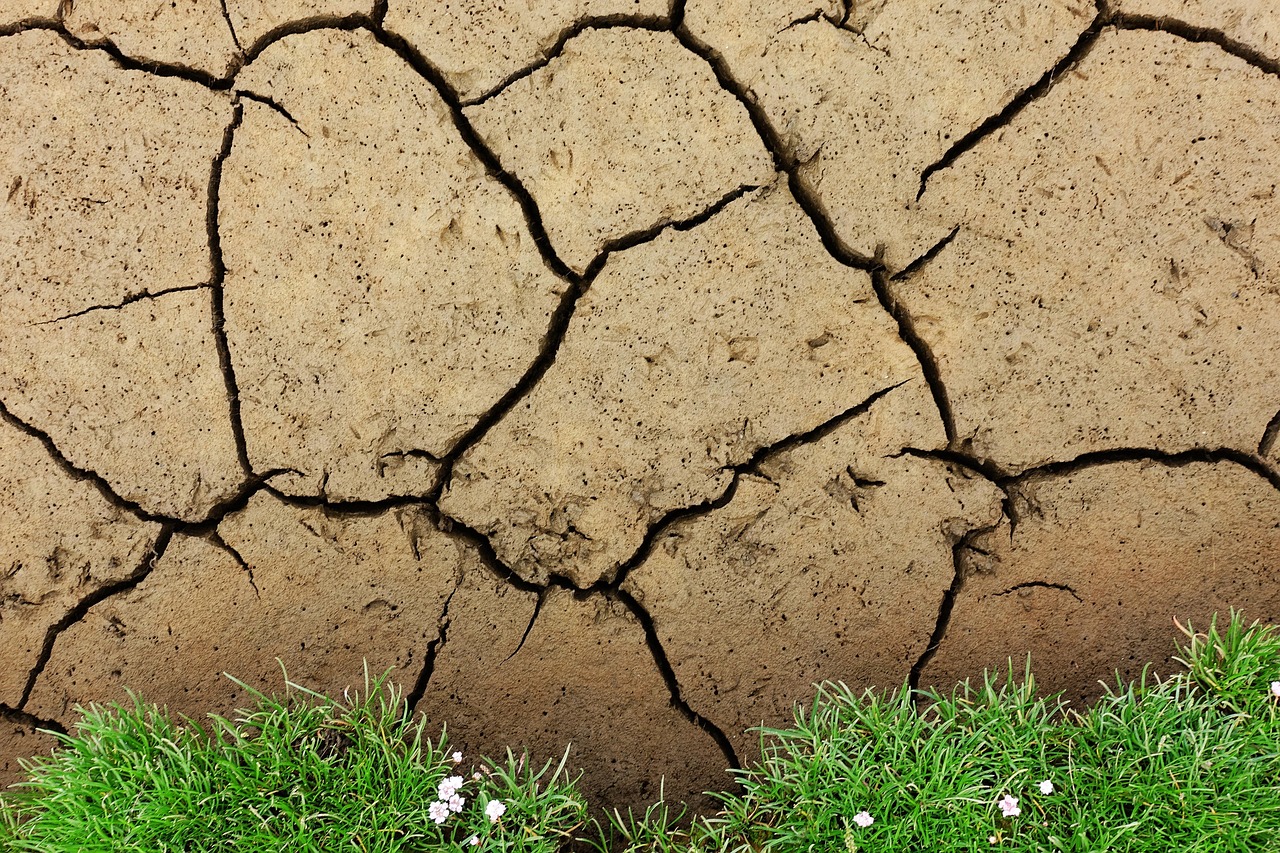
Climate change is altering precipitation patterns, with some regions experiencing more intense rainfall while others face prolonged droughts. These changes impact water availability, a critical resource for agriculture. The management of water resources thus becomes more challenging, requiring innovations in irrigation technology and water conservation strategies.
Regions dependent on glacial melt water, such as parts of South Asia, are particularly vulnerable. As glaciers recede, water availability for agriculture diminishes, necessitating the development of alternative water management solutions.
Soil Health and Fertility
Soil health is vital for agricultural productivity, and climate change poses several risks to soil fertility. Increased rainfall intensity can lead to soil erosion, while higher temperatures and altered precipitation patterns can affect soil moisture levels and nutrient availability.
For instance, soils in arid and semi-arid regions may become more saline as evaporation rates increase, reducing their agricultural potential. Efforts to maintain soil health, such as adopting sustainable land management practices, are essential in mitigating these effects.
Livestock Production and Management
Livestock are also affected by climate change, as alterations in temperature and precipitation impact pasture quality and water availability. Heat stress can reduce animal productivity, affecting milk production, reproduction rates, and growth.
Adaptation strategies include improving animal housing to reduce heat stress, developing heat-tolerant breeds, and enhancing pasture management practices to ensure consistent feed quality. These measures require investment and innovation to sustain livestock production under changing climatic conditions.
Adaptation and Mitigation Strategies
Adapting agriculture to climate change involves a series of strategies aimed at reducing vulnerability and enhancing resilience. These include developing drought-resistant crop varieties, implementing efficient water use practices, and enhancing genetic diversity in crops and livestock.

Mitigation efforts focus on reducing agriculture’s contribution to climate change through improved land use practices, such as agroforestry and conservation tillage, which enhance carbon sequestration. Policies that support sustainable agricultural practices and research into climate-resilient farming methods are crucial.
Conclusion: A Call to Action
The impact of climate change on agriculture is profound, affecting food security, livelihoods, and economies worldwide. Understanding these impacts is crucial for developing effective strategies to adapt and mitigate the effects of climate change on agriculture.
Global collaboration, investment in sustainable agriculture, and policy interventions are essential to address these challenges. By embracing innovative practices and technologies, the agricultural sector can better withstand climatic changes, ensuring food security for future generations.
Regional Variations in Climate Impact
The effects of climate change on agriculture vary significantly across different regions. For instance, tropical regions might experience more intense rainfall and flooding, whereas temperate zones could benefit temporarily from longer growing seasons but face increased risks from heatwaves and droughts.
In Africa, where rain-fed agriculture predominates, changes in precipitation patterns pose serious threats. The African Development Bank highlights the importance of building resilient agricultural systems through investments in infrastructure, early warning systems, and drought-resistant crops.
Economic Implications of Climate Change on Agriculture
Climate change has far-reaching economic consequences for agriculture, affecting market stability and food prices. Crop failures or reduced yields can lead to supply shortages, driving up prices and affecting global trade. Smallholder farmers, who often lack the resources to adapt, are particularly vulnerable to these economic disruptions.
Investing in climate-smart agriculture is economically beneficial in the long term. By adopting sustainable practices, farmers can enhance productivity and reduce losses, contributing to stable food prices and economic resilience.
Technological Innovations and Their Role
Technology plays a pivotal role in mitigating the impacts of climate change on agriculture. Innovations such as precision agriculture, remote sensing, and data analytics enable farmers to optimize resource use and improve decision-making.

Precision agriculture, for example, uses GPS technology and IoT devices to monitor soil conditions and crop health, allowing for targeted interventions. Similarly, data analytics can predict weather patterns and help farmers prepare for adverse conditions, enhancing crop resilience.
The Role of Policy and Governance
Effective policy frameworks are essential to support adaptation and mitigation strategies in agriculture. Governments must prioritize investments in research and development, infrastructure, and capacity building to foster resilient agricultural systems.
International cooperation and agreements, such as those facilitated by the United Nations Framework Convention on Climate Change (UNFCCC), are crucial for addressing the transboundary nature of climate impacts on agriculture. Collaborative efforts can help share knowledge, resources, and technologies, enabling countries to implement effective adaptation strategies.
Education and Awareness
Educating farmers and communities about climate change and its impacts on agriculture is vital for fostering resilience. Extension services and training programs can equip farmers with the knowledge and skills to implement adaptive practices.
Raising awareness about sustainable agriculture practices, such as crop diversification and integrated pest management, can also encourage more environmentally friendly farming methods, contributing to both productivity and environmental conservation.
Future Directions and Research Needs
Ongoing research is critical to understanding the complex interactions between climate change and agriculture. Areas for future research include the development of climate-resistant crop varieties, improved water management techniques, and the socio-economic impacts of climate change on rural communities.
Interdisciplinary research that combines insights from climate science, agronomy, economics, and social sciences can provide a holistic understanding of challenges and inform comprehensive strategies for sustainable agricultural development.

Takeaways
Climate change poses significant challenges to agriculture, threatening food security and livelihoods worldwide. However, through innovation, policy support, and collaborative efforts, the agricultural sector can adapt to these changes and mitigate their impacts.
By investing in sustainable practices, enhancing technological capabilities, and fostering global cooperation, we can build resilient agricultural systems that withstand the pressures of a changing climate, ensuring a secure and sustainable food future for all.
Case Studies: Successful Adaptation in Action
Examining real-world examples of successful adaptation can provide valuable insights and inspiration for other regions facing similar challenges. In India, the use of climate-resilient varieties of rice and wheat has been promoted to combat the effects of increasing temperatures and erratic rainfall patterns. Farmers are also adopting integrated farming systems, combining crop production with livestock and fish farming, to diversify income sources and reduce risk.
In Kenya, the implementation of rainwater harvesting techniques has significantly improved water availability for agricultural use. Smallholder farmers have been trained to construct water pans and use drip irrigation systems, maximizing water efficiency and enhancing crop yields, even in dry conditions. These initiatives have been supported by local governments and international organizations, demonstrating the power of partnerships in driving successful climate adaptation.
Community-Based Approaches to Adaptation
Community-based adaptation strategies are increasingly recognized as effective ways to address the localized impacts of climate change on agriculture. These approaches empower communities to develop and implement solutions tailored to their specific environmental and socio-economic contexts.
For instance, in Bangladesh, community groups have been formed to manage floodplain aquaculture systems, capitalizing on seasonal flooding to increase fish production and enhance food security. These groups work collaboratively to monitor water levels, manage fish stocks, and share knowledge on best practices, fostering resilience through collective action.

The Role of Financial Mechanisms
Access to financial resources is critical for enabling farmers to invest in adaptive practices and technologies. Innovative financial mechanisms, such as climate-smart insurance schemes and microfinance initiatives, can provide the necessary support to farmers, particularly in developing countries.
Climate-smart insurance schemes offer protection against weather-related risks, such as droughts and floods, by compensating farmers for losses incurred. These schemes encourage the adoption of sustainable practices by linking insurance payouts to the implementation of adaptive measures. Similarly, microfinance initiatives provide small loans for purchasing climate-resilient seeds, fertilizers, and equipment, empowering farmers to improve their productivity and resilience.
Monitoring and Evaluation of Adaptation Efforts
Monitoring and evaluation (M&E) are essential components of successful adaptation strategies. M&E frameworks help track the effectiveness of adaptation initiatives, identify areas for improvement, and ensure accountability. By assessing the outcomes of adaptation efforts, stakeholders can make informed decisions and optimize resource allocation.
Effective M&E requires the collection of robust data on climatic variables, agricultural performance, and socio-economic indicators. This data can be used to develop models and tools that predict future climate impacts and guide adaptive planning. Collaborative efforts between governments, research institutions, and local communities are crucial for building comprehensive M&E systems that support adaptive management.
Conclusion: Building a Resilient Agricultural Future
Addressing the impacts of climate change on agriculture requires a multifaceted approach that combines technological innovation, policy support, community engagement, and financial investment. By learning from successful case studies and embracing adaptive strategies, the agricultural sector can navigate the challenges posed by a changing climate.
Ultimately, building a resilient agricultural future depends on our collective commitment to sustainable development. Through international collaboration, knowledge sharing, and a focus on inclusive and equitable solutions, we can ensure that agriculture continues to thrive in the face of climate change, supporting the livelihoods of millions and contributing to global food security.
About the Author


