Understanding the Nexus Between Climate Change and Biodiversity
The intricate relationship between climate change and biodiversity is a pressing concern that impacts ecosystems globally. As the planet warms, the delicate balance of life on Earth faces unprecedented challenges. This post delves deep into this troubling link, exploring how climate change threatens biodiversity and the cascading effects on ecosystems and human life.
The Role of Biodiversity in Ecosystem Health
Biodiversity, encompassing the variety of all living organisms on Earth, plays a fundamental role in maintaining ecosystem health. It provides essential services such as pollination, nutrient cycling, and climate regulation. A rich diversity of species ensures ecosystems are resilient, able to withstand and recover from various environmental changes and human-induced pressures.
However, as climate change accelerates, it disrupts these natural systems. The loss of biodiversity weakens the resilience of ecosystems, making them more vulnerable to climate extremes such as droughts, floods, and wildfires. This, in turn, affects the human populations that rely on these ecosystems for food, water, and livelihoods.
Impacts of Climate Change on Biodiodiversity
Climate change affects biodiversity in multiple ways, from altering habitats to shifting species distributions. One of the most visible impacts is the loss of habitats. Rising temperatures and changing precipitation patterns lead to habitat destruction, particularly in sensitive areas like coral reefs, wetlands, and forests.
For instance, increased carbon dioxide levels contribute to ocean acidification, threatening marine biodiversity. Coral reefs, which host a quarter of marine species, are experiencing bleaching events at alarming rates. This not only affects marine life but also the coastal communities that depend on reefs for food and tourism.
Species Extinction and Climate Change
Climate change exacerbates the risk of species extinction. As temperatures rise, many species must migrate to cooler areas. However, not all species can move quickly enough or find suitable habitats, leading to a loss of biodiversity. According to a study by the International Union for Conservation of Nature (IUCN), climate change is expected to become a leading cause of species extinction in the coming decades.
This loss of species diversity can have dire consequences for ecosystems. For example, the decline in pollinator populations such as bees and butterflies affects plant reproduction, with cascading effects on food production and terrestrial ecosystems. Similarly, the extinction of keystone species, which play critical roles in their environments, can lead to ecosystem collapse.
Human Impacts and Societal Challenges
The link between climate change and biodiversity has direct implications for human societies. As biodiversity decreases, so do the ecosystem services that support human life. Diminished crop yields due to changes in pollination, soil fertility, and water availability threaten food security, particularly in developing countries.
Moreover, the loss of biodiversity can lead to economic challenges. Many communities rely on biodiversity for their livelihoods, particularly in sectors such as agriculture, fisheries, and ecotourism. As ecosystems deteriorate, these economic activities suffer, leading to increased poverty and displacement.
Additionally, climate change-induced biodiversity loss affects cultural and spiritual values. Indigenous communities, who have deep connections to their natural environments, face significant cultural disruptions as their traditional lands and resources are altered or lost.
Mitigation Strategies and Conservation Efforts
Addressing the interconnected challenges of climate change and biodiversity requires coordinated global efforts. Conservation strategies must integrate climate adaptation and resilience-building approaches. Protected areas, such as national parks and marine reserves, play a crucial role in preserving biodiversity. Expanding and effectively managing these areas can help safeguard species and ecosystems.
Moreover, restoring degraded ecosystems can enhance their resilience to climate change. Reforestation and wetland restoration are examples of nature-based solutions that not only sequester carbon but also restore habitats and promote biodiversity.
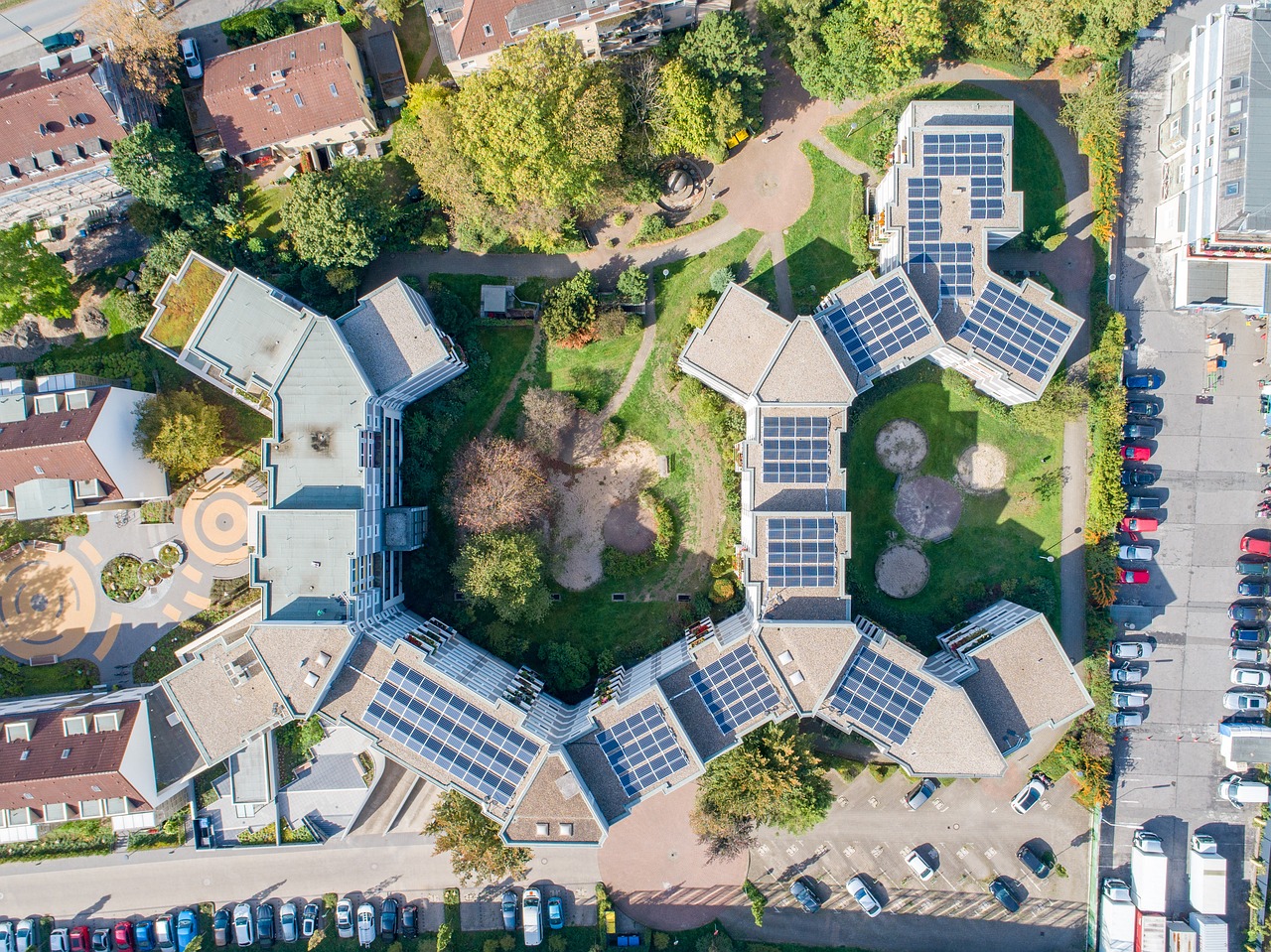
International cooperation is essential for mitigating the impacts of climate change on biodiversity. Agreements such as the Paris Agreement and the Convention on Biological Diversity provide frameworks for countries to work together in reducing greenhouse gas emissions and protecting biodiversity.
Technological Innovations and Community Involvement
Technological advancements offer new opportunities for monitoring and preserving biodiversity. Remote sensing and GIS technologies enable scientists to track changes in ecosystems and species distributions, providing valuable data for conservation planning.
Involving local communities in conservation efforts is also crucial. Community-based conservation initiatives empower people to protect their environments while benefiting economically. These approaches can enhance the effectiveness of conservation strategies and foster a sense of stewardship among local populations.
Conclusion: A Call to Action
The link between climate change and biodiversity is a stark reminder of the urgent need for action. As we face an uncertain future, protecting the planet’s biodiversity is not just an environmental issue but a moral imperative. It requires a multifaceted approach that combines scientific research, policy implementation, and community engagement.
By understanding and addressing the impacts of climate change on biodiversity, we can work towards a sustainable future where ecosystems and human societies thrive in harmony. The time to act is now, and it is our collective responsibility to preserve the rich tapestry of life on Earth for future generations.
Individual Actions and Global Responsibility
While global initiatives and policies play a critical role in addressing climate change and biodiversity loss, individual actions also contribute significantly to the collective effort. Each person can make a difference by adopting more sustainable practices in their daily lives. This includes reducing energy consumption, minimizing waste, promoting sustainable agriculture, and supporting conservation organizations.
Educating oneself and others about the importance of biodiversity and the impacts of climate change is also crucial. Awareness can lead to more informed decisions and a greater push for policy changes at local, national, and international levels. By advocating for sustainable practices and supporting legislation that prioritizes environmental protection, individuals can help drive meaningful change.

The Role of Education and Advocacy
Education and advocacy are powerful tools in the fight against climate change and biodiversity loss. Schools, universities, and organizations can develop programs that emphasize the importance of environmental stewardship and the interconnectedness of ecosystems. This education can inspire the next generation of conservationists and equip them with the knowledge and skills needed to tackle these challenges.
Advocacy efforts, whether through grassroots movements or larger campaigns, can influence public opinion and policy. By raising awareness and engaging with decision-makers, advocates can ensure that environmental issues remain a priority on the political agenda. This collective voice is vital for pushing forward policies that protect biodiversity and address climate change.
Corporate Responsibility and Innovation
Corporations have a significant impact on the environment and, therefore, a responsibility to contribute to sustainable solutions. Many companies are beginning to recognize the importance of sustainability, implementing practices that reduce their carbon footprint and support biodiversity conservation.
Innovations in technology and business models are paving the way for more sustainable practices. For example, renewable energy technologies are reducing reliance on fossil fuels, while sustainable agriculture practices are improving food security without compromising biodiversity. Companies that prioritize sustainability can not only reduce their environmental impact but also gain a competitive advantage in the marketplace.
International Collaboration and Policy Development
International collaboration is essential for addressing the global challenges of climate change and biodiversity loss. Multilateral agreements and organizations provide platforms for countries to work together towards common environmental goals. The United Nations Environment Programme (UNEP), for instance, plays a crucial role in coordinating international efforts and providing guidance on effective environmental policies.

Developing and implementing policies that address both climate change and biodiversity conservation can yield significant benefits. Integrated approaches that consider the synergies between these two issues can lead to more comprehensive and effective solutions, ensuring that efforts to combat climate change also contribute to the protection of biodiversity.
Final Thoughts
The link between climate change and biodiversity is a complex yet vital aspect of our planet’s health. Protecting biodiversity while addressing climate change requires a concerted effort from individuals, communities, governments, and corporations. By working together and taking decisive action, we can mitigate the impacts of climate change, preserve our planet’s biodiversity, and ensure a sustainable future for generations to come.
As we move forward, it is crucial to remain committed to these ideals and continue to push for innovation, education, and collaboration. The challenges are significant, but with a united approach, progress is achievable. Let us take responsibility for our planet and strive to maintain the rich diversity of life that makes Earth unique.
Emerging Research and Future Perspectives
The field of climate science and biodiversity conservation is continually evolving, with new research providing deeper insights into the complex interactions between these two critical areas. Recent studies highlight the potential of innovative approaches such as assisted migration, where species are deliberately relocated to more suitable habitats, to enhance biodiversity resilience. This strategy can help some species survive in a rapidly changing climate, although it is not without its challenges and ethical considerations.
Furthermore, the use of cutting-edge technologies like artificial intelligence and machine learning is transforming how scientists study and manage ecosystems. These technologies can analyze vast amounts of data to predict environmental changes and their impacts on biodiversity, allowing for more informed decision-making in conservation efforts.
Looking to the future, it is essential to focus on interdisciplinary research that bridges the gap between ecological science, climate science, and social sciences. Understanding the social dimensions of climate change and biodiversity loss, including human behavior and cultural values, will be key to developing holistic solutions that are both effective and equitable.
The Importance of Political Will and Leadership
While scientific research and technological innovation are crucial, political will and leadership are equally important in driving meaningful change. Policymakers play a pivotal role in setting the agenda for climate action and biodiversity conservation. Strong leadership is needed to prioritize these issues, allocate resources, and implement policies that foster sustainable development.
International forums, such as the United Nations Framework Convention on Climate Change (UNFCCC) and the Convention on Biological Diversity (CBD), provide opportunities for countries to demonstrate leadership and commitment to environmental goals. By setting ambitious targets and holding each other accountable, nations can create a collective momentum towards a sustainable future.
Community Engagement and Local Solutions
While global initiatives are essential, local solutions are equally critical in addressing the challenges of climate change and biodiversity loss. Community engagement is vital for ensuring that conservation efforts are culturally appropriate and socially acceptable. Local communities often possess valuable traditional knowledge and practices that can enhance conservation strategies.
Empowering communities to take part in decision-making processes and conservation activities can lead to more successful outcomes. Community-based conservation projects, such as those that involve local stakeholders in habitat restoration and wildlife monitoring, have shown promising results in various regions around the world.
The Path Forward: A Resilient and Biodiverse Planet
In conclusion, the link between climate change and biodiversity is a critical issue that demands our immediate attention and action. While the challenges are formidable, there is hope. Through collaborative efforts that encompass scientific research, policy development, technological innovation, and community involvement, we can work towards creating a planet that is both resilient to climate change and rich in biodiversity.
As we navigate this path forward, it is essential to remain optimistic and motivated, recognizing that every action counts. By fostering a global culture of sustainability and stewardship, we can protect the intricate web of life that sustains us all. Together, let us rise to the challenge and ensure a healthy and vibrant planet for future generations.
About the Author


