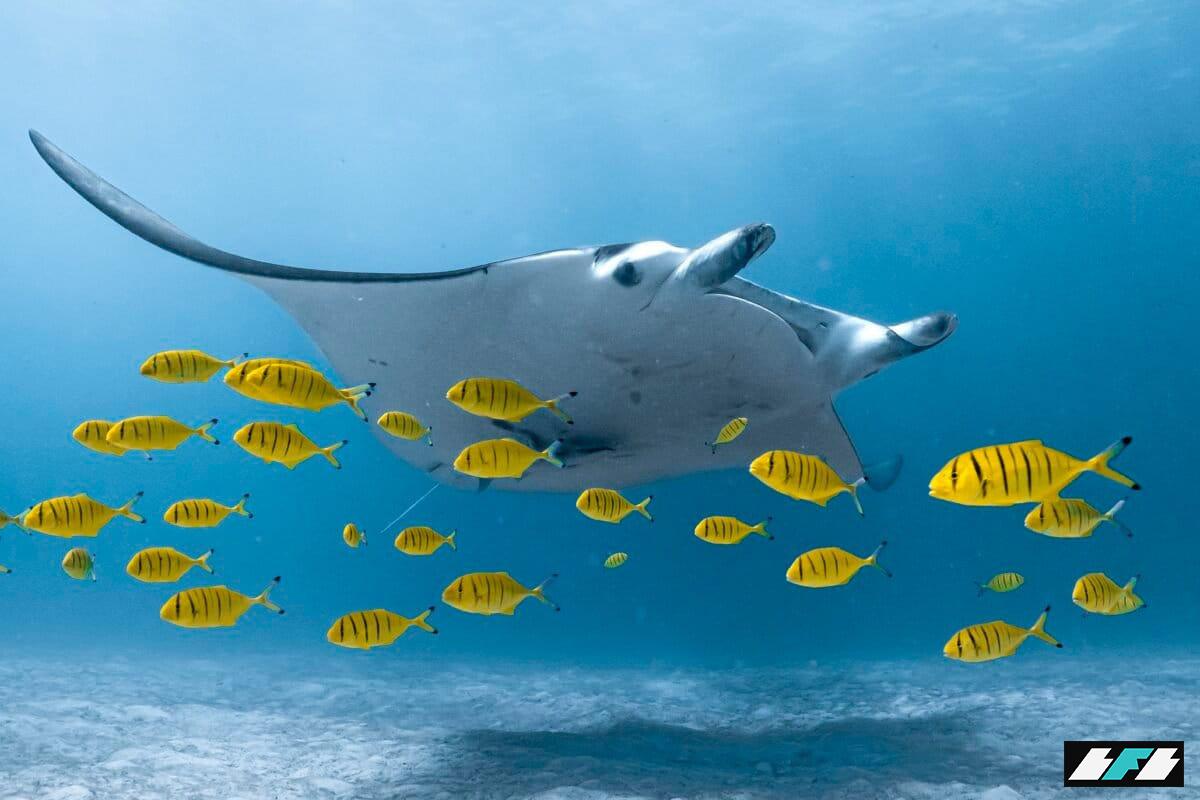
- A new global assessment estimates more than 259,000 manta and devil rays (genus Mobula) die in fisheries each year, far exceeding previous figures, with researchers warning that the true toll is likely higher due to major data gaps.
- Small-scale fisheries account for 87% of global mortality, with India, Indonesia, Sri Lanka, Myanmar and Peru responsible for most mobulid deaths .
- The study documents steep, long-term declines, including in Mozambique, the Philippines and the eastern Pacific Ocean. Yet many losses came to light only recently due to late adoption of monitoring and weak reporting.
- Researchers say the recent uplisting of all mobulid species to CITES Appendix I, which bans international commercial trade, is a key step, but note that national-level protections, improved data reporting, gear reforms, and better spatial management are needed to reduce mortality.
Far more manta and devil rays die in fisheries than previously understood, with annual deaths surpassing 259,000 individuals, a new study has found. It suggests that fishing pressure on these slow-growing species in the genus Mobula is much greater than shown by existing data.
The research, conducted by an international team of scientists and published in the journal Biological Conservation in November, draws on data from 99 countries and multiple sources, including fisheries landing surveys, databases and published records, and expert interviews. In seeking to generate the most comprehensive estimate to date of global mobulid mortality, the team found that many fishing nations either don’t report mobulid catches or aggregate them with other species, obscuring their true scale.
The new estimate is “already alarming,” Betty Laglbauer, lead author and fisheries and policy researcher at the U.K. nonprofit Manta Trust, told Mongabay by email. But it likely understates total mortality because “significant data gaps” persist in regions where high mobulid catches occur, she said, adding that “true declines may be even more pronounced than currently recognised.”

Late monitoring reveals deeper and longer-term declines
Long-term data reveal severe, widespread declines in mobulid populations, with landings or catch rates falling by 51–99% across eight of the 92 countries with documented mobulid catches. In Mozambique, sightings dropped by 81–99% over 21 years; in Costa Rica, giant mantas (M. birostris) declined by 89% and unspecified Mobula species declined by 78% over the same period. The Philippines reported an 80% decline in giant manta sightings over 16 years, and the United States recorded a 47% drop in sicklefin devil rays (M. tarapacana) over 11 years. Several Eastern Pacific tuna fleets also documented 51–99% reductions in catches of multiple mobulid species.
Laglbauer said many of the declines documented in the study were only detected recently because systematic monitoring began very late in most regions. Even now, she said, “few governments prioritise dedicated mobulid data collection,” which continues to hamper trend assessments, although independent researchers have stepped in to monitor some catch hotspots.
“[I]mproved, consistent reporting in official fisheries databases is urgently needed” for understanding long-term population trajectories, she said.
Small-scale gillnet fisheries kill the most rays
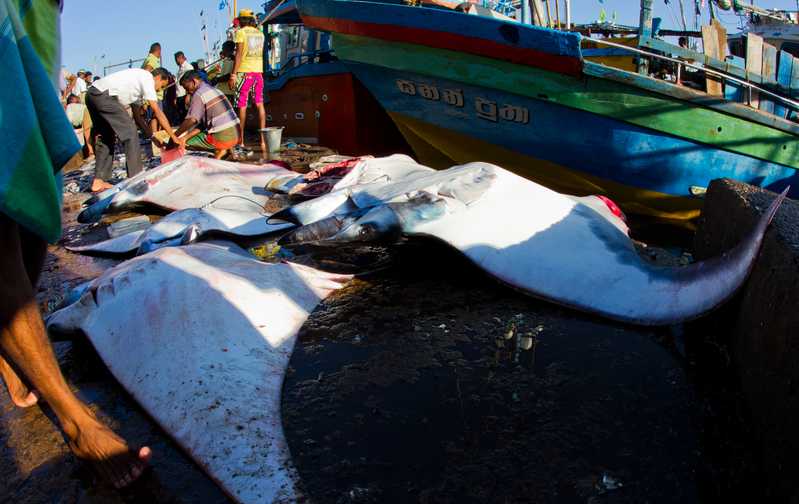
Small-vessel fisheries account for 87% of global mobulid deaths, the study found. These vessels, typically 15 meters (49 feet) or shorter, are prevalent across tropical coastal waters. On them, drift gillnets, non-selective gear that readily entangles large marine fauna, was the gear type responsible for the most mobulid captures.
The study shows that India, Indonesia, Myanmar, Peru and Sri Lanka account for nearly all mobulid mortality: 87%. India alone kills an estimated 73,000 of the rays each year, followed by Indonesia with 62,000 deaths and Sri Lanka with more than 52,000.
Some of these countries consume mobulid meat domestically; others export it and gill plates to international markets, the study notes. Laglbauer said the actions of these five nations will “determine whether mobulid rays can survive for generations to come.”
Although large-vessel fisheries using boats longer than 15 m cause fewer mobulid deaths than small-vessel fisheries, they still kill about 34,000 individuals each year, the study estimated. Within these fleets, purse seines account for 19.7% of mobulid deaths, drift gillnets for 5.6%, and longlines for 5.1%.

How to reduce ray deaths
“[P]rioritising mobulid conservation is urgently needed,” Laglbauer said, particularly because rays naturally reproduce slowly and are sensitive to fishing pressure.
Reviewing national policies across high-mortality regions, the study found that protections are often inconsistent. Some countries give manta rays stronger legal safeguards than devil rays; others permit domestic consumption even as they restrict international trade.
Laglbauer said the most significant progress could come from establishing national protections for all mobulid species. These should include “clear retention bans” and the “widespread adoption of live-release practices,” and these measures should be incorporated into national action plans aimed at reducing mobulid mortality, she said.
Another approach involves managing fishing gear. Considering drift gillnets’ outsized contribution to mobulid catch, Laglbauer said this gear should be phased out to help reduce mortality.
Spatial management is also highlighted in the study, which recommends avoiding fishing in critical habitats through permanent or temporary area closures.
Changes afoot
Laglbauer noted that a major recent policy development was the decision at the recent CITES conference in Uzbekistan in November to uplist all mobulid species to Appendix I, which bans international commercial trade in their products.
“Following the uplisting … there is hope because governments have demonstrated their willingness to act on behalf of these threatened species,” she said. “The next challenge is to translate this decision into meaningful action through the enforcement of strict international trade controls.”