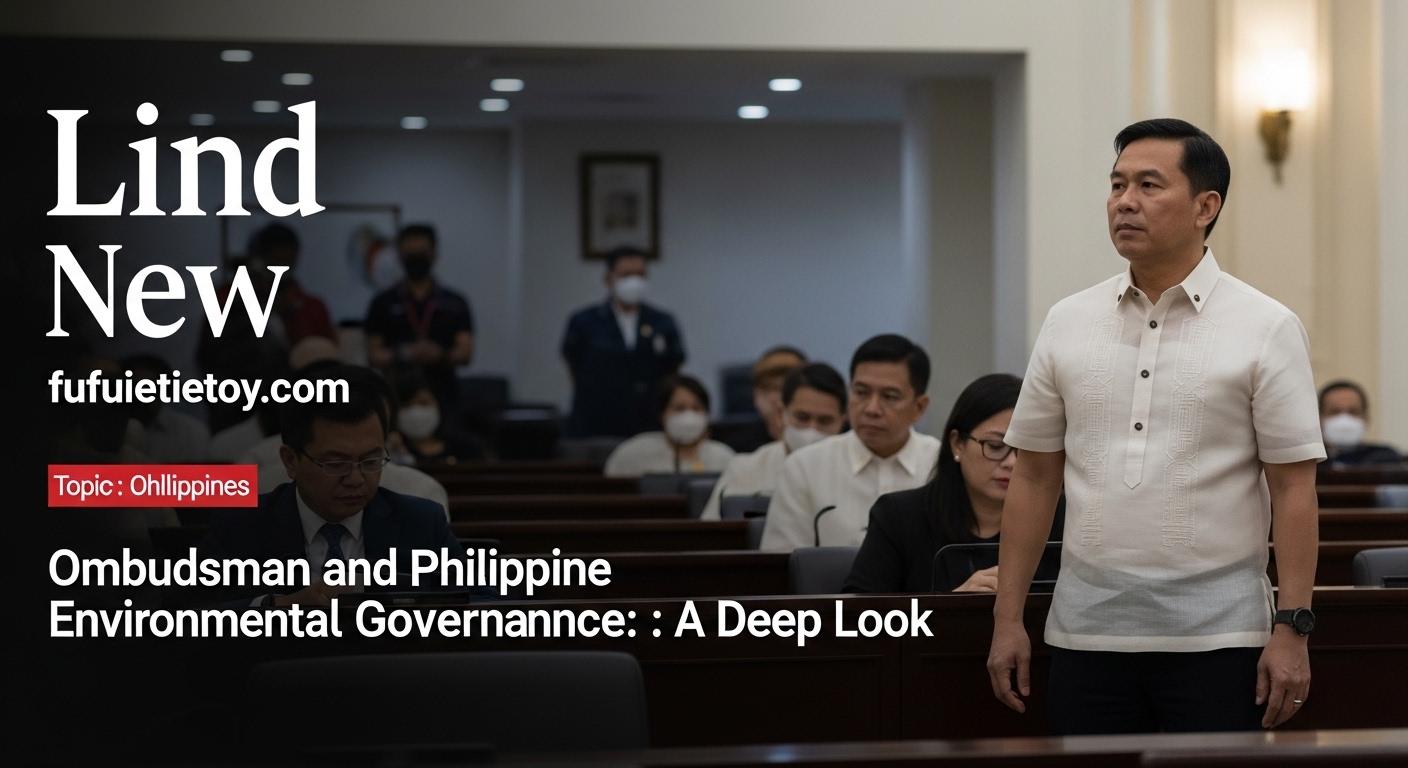
Philippines Ombudsman and environmental governance concept in a newsroom style
Updated: March 16, 2026
The ombudsman in the Philippines stands at a critical crossroads where environmental governance intersects with public accountability, shaping how agencies enforce rules, respond to pollution concerns, and respond to citizen complaints. This analysis weighs what is firmly known about the role and where uncertainty remains, with attention to how residents and watchdog groups can navigate a system designed to be independent, transparent, and responsive.
What We Know So Far
The Office of the Ombudsman is a constitutional, independent body established under the 1987 Philippine Constitution. Its core mandate is to investigate graft and corruption in public offices, a remit that extends to agencies involved in environmental governance when public resources or environmental permits are at issue. In practice, this means the ombudsman can examine irregularities in agencies such as the Department of Environment and Natural Resources (DENR) or local government units that implement environmental rules. The investigative toolkit typically includes formal inquiries, subpoena powers, and, where warranted, the filing of charges in appropriate courts alongside preventive actions to halt suspected wrongdoing. These processes are designed to complement enforcement efforts by other agencies while protecting whistleblowers and ensuring due process.
The Ombudsman’s role in environmental matters is reinforced by standard operating procedures and guidance that emphasize accountability for decisions that affect public health and the environment. In the Philippines, environmental governance involves multiple actors, and the ombudsman serves as a check against misused public resources or compromised decision-making. For readers seeking the official framework, the ombudsman’s own site outlines the agency’s mandate, powers, and public-facing resources. DENR-level disclosures about environmental compliance and enforcement also inform how offices coordinate on cases that reach the ombudsman.
Independent coverage and analyses, including reporting from reputable outlets, consistently stress the importance of transparency and timely action in environmental governance. These sources note that when the ombudsman receives credible complaints about environmental agencies or programs, the path to investigation begins with review, evidence gathering, and, if warranted, formal proceedings. For context outside the Philippines, observers emphasize that robust oversight hinges on accessible information about investigations and the ability of communities to participate in accountability processes. See official and mainstream reporting for broader governance context: Ombudsman statements and procedures and Rappler coverage on oversight and transparency in government actions.
What Is Not Confirmed Yet
[Unconfirmed] Any specific environmental case currently under investigation by the ombudsman involving named agencies, officials, or corporations. No official public filing or charge related to a particular environmental matter has been confirmed in this update.
[Unconfirmed] Claims of a newly established ombudsman task force dedicated exclusively to environmental governance have not been verified by official statements. If such a unit exists, its mandate, leadership, and scope remain to be clarified by the office itself.
[Unconfirmed] Reports that a specific company or project has been charged or sanctioned related to environmental violations are not confirmed at this time. Readers should await formal releases or court filings before drawing conclusions.
Why Readers Can Trust This Update
This piece anchors its analysis in established constitutional structure and the formal powers of the ombudsman as described by the Office of the Ombudsman. Verification steps include cross-checking with official guidance from the ombudsman and the DENR, complemented by reporting from established Philippine outlets that emphasize governance and accountability. To avoid guessing, this update clearly labels any information that remains unconfirmed and frames statements as either verified facts or cautious hypotheses awaiting official confirmation. The Philippines’ system of checks and balances—where investigative bodies operate independently of the agencies they scrutinize—is the baseline expectation applied here, with careful attention to sourcing and context.
For readers seeking primary materials, see the official ombudsman site and the DENR portal, which together illuminate how environmental matters are processed and where citizens can turn to raise concerns: Ombudsman of the Philippines and Department of Environment and Natural Resources. For broader accountability discourse, this analysis also references independent reporting from Rappler.
Actionable Takeaways
- If you suspect environmental governance violations, consider filing a formal complaint with the Office of the Ombudsman and attaching credible documentation such as permits, correspondence, or audit results.
- Detailed records help support investigations: log dates, officials involved, locations, and the environmental impact in question, along with any related public notices or permits.
- Check official guidance on complaint forms and submission procedures on the Ombudsman’s website and follow up through official channels to request status updates where available.
- Engage local environmental groups or civil society organizations to monitor progress and advocate for transparency, while avoiding unverified claims in public discussions.
- Stay informed through reputable news outlets and the DENR for any public statements or policy changes that could influence environmental enforcement or Ombudsman investigations.
Source Context
Context and official materials cited in this report include:
Last updated: 2026-03-10 02:37 Asia/Taipei