Waste workers at a Philippine landfill amid tropical urban backdrop and stormy weather
Updated: April 8, 2026
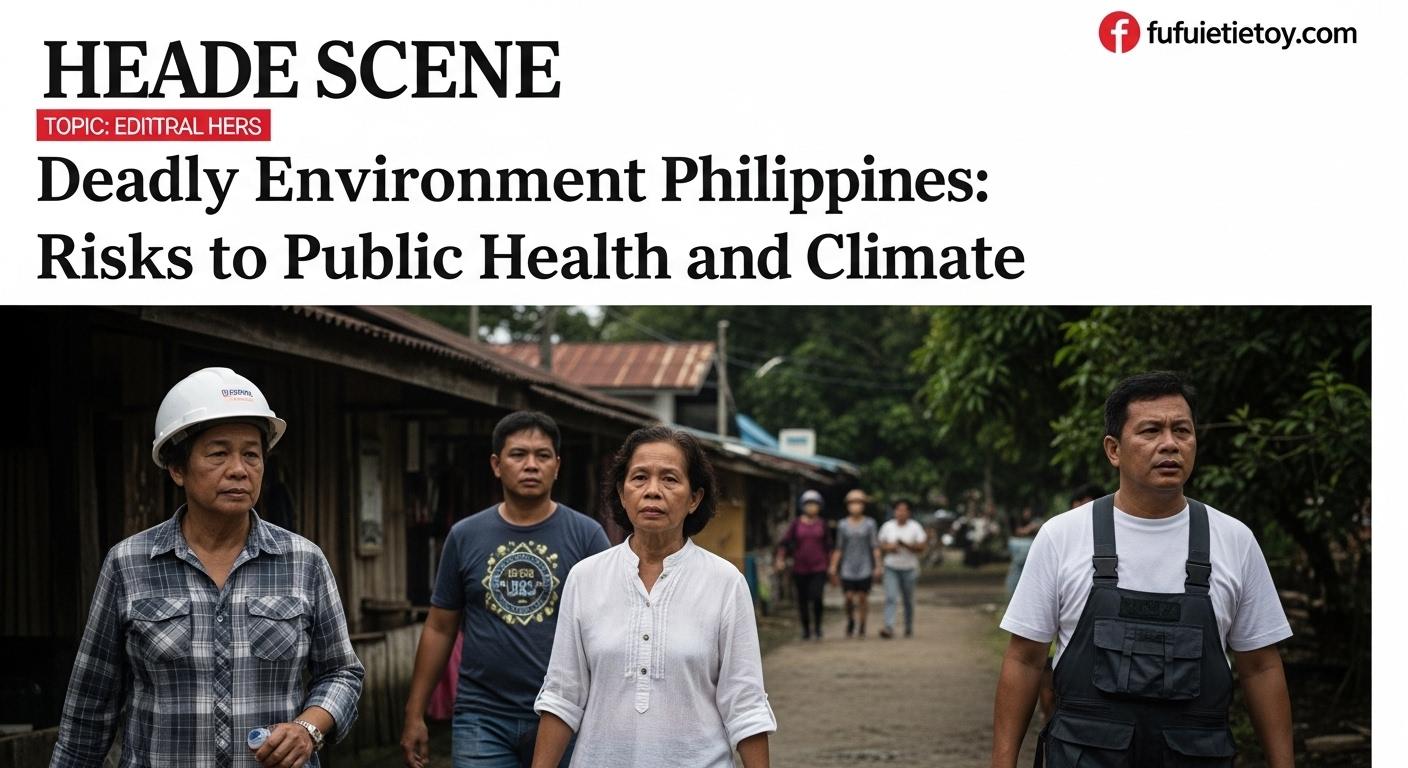
The deadly Environment Philippines is not a single event but a pattern of risk that unfolds across Manila’s crowded neighborhoods, coastal towns, and rural dumpsites. This analysis examines how chronic mismanagement of waste, polluted waterways, and climate-accelerated hazards intersect to threaten health and livelihoods, and how policy choices today will shape resilience for generations.
Systemic risks and the waste economy
In many cities and provinces, waste handling relies on a sprawling informal sector that sorts recyclables and scavenges dumps for a living. This arrangement reduces visible litter but concentrates danger on workers who collect, sort, and transport refuse without adequate PPE or social protections. Leachates from unmanaged sites contaminate groundwater and rivers that communities depend on for drinking and farming. When heavy rains intensify, open dumps swell into flooded pits that emit hazardous gases and pose structural hazards to nearby neighborhoods. The situation creates a low-level but persistent health risk that compounds other environmental pressures like air pollution and coastal erosion. The deadly Environment Philippines is not just about waste; it is about how governance, markets, and civil society intersect to determine who bears the cost of mismanaged waste and pollution.
Fallen safety nets: urban hazards and climate shocks
Urban centers in the Philippines face climate-driven risks that magnify exposure from poor waste management. Flooding inundates informal settlements, overflows drainage systems, and transports contaminants into homes and schools. Heat stress and vector-borne diseases rise where shade and sanitation services are inadequate. When disasters strike, the lack of robust shelter, evacuation routes, and recovery funding turns a bad season into a longer disruption for families whose livelihoods rely on daily wages or informal work around metropolitan dumpsites and markets. The convergence of environmental degradation and climate shocks generates a cycle: pollution weakens health resilience, which then reduces families’ capacity to recover between events.
Policy gaps and local solutions
National and local authorities face a dual challenge: improve waste collection and raise environmental standards while avoiding abrupt disruption to poor households that depend on the informal sector. Solutions require clear rules for waste separation, hazardous waste handling, and safe disposal, paired with protections for waste pickers, health monitoring, and access to PPE. Municipalities can pilot community-led monitoring, transparent budgeting for sanitation, and cost-sharing with private partners to upgrade facilities without transferring the burden to the poorest residents. Investments in climate-resilient drainage, flood barriers, and wastewater treatment can reduce exposure to contaminated runoff and keep waterways navigable for communities and small businesses during storms. The net effect would be a more deliberate alignment of environmental health with social protection, creating a more resilient economy.
Scenario framing: future paths for resilience
If current trends persist, the deadly Environment Philippines could entrench health disparities, erode livelihoods tied to informal waste work, and strain emergency services during rainstorms and typhoons. A more ambitious path combines formalization of waste collection, inclusive safety nets for workers, and data-driven risk planning to create durable resilience. In this scenario, communities gain better access to information, sanitation services, and climate adaptation funds, while local leaders build accountability around waste management and pollution controls. A third, less optimistic path remains possible if climate impacts intensify and funding remains episodic; in that case, vulnerabilities compound, and recovery becomes slower and more costly for towns already stretched by storms and floods.
Actionable Takeaways
- Strengthen municipal waste collection and formalize safe work for waste pickers with training, PPE, and health access.
- Invest in climate-resilient sanitation and drainage to reduce flood-driven contamination and protect water sources.
- Expand environmental monitoring and require transparent reporting on air and water quality for at-risk communities.
- Encourage public-private partnerships that prioritize waste-to-resource initiatives without shifting costs to the poor.
- Engage communities through DRR programs, local councils, and school-based awareness campaigns about pollution and climate risk.
Source Context
- Mongabay: Deadly landfill collapse exposes risks faced by Philippines waste pickers
- AgTechNavigator: Dual resilience approach protects fisherfolk livelihoods with climate insurance and guaranteed buyers
- Arab News: Philippine lawmakers start VP Duterte impeachment hearings
From an editorial perspective, separate confirmed facts from early speculation and revisit assumptions as new verified information appears.
Track official statements, compare independent outlets, and focus on what is confirmed versus what remains under investigation.