“Greenhouse Gases: Unraveling Their Role in Climate Change”
Updated: April 8, 2026
Understanding Greenhouse Gases and Their Impact on Climate Change
The term “greenhouse gases” often surfaces in discussions about climate change, encapsulating a spectrum of concerns, scientific explorations, and global efforts to mitigate an impending environmental crisis. This article delves into the intricacies of greenhouse gases, exploring their origins, how they contribute to climate change, and the global implications of their increasing concentrations in the atmosphere.
What Are Greenhouse Gases?
Greenhouse gases (GHGs) are atmospheric gases that absorb and emit radiation within the thermal infrared range, a process that leads to the greenhouse effect. This effect is crucial for maintaining the Earth’s temperature, making it hospitable for life. However, human activities have significantly increased the concentration of these gases, enhancing the natural greenhouse effect, which contributes to global warming.
The primary greenhouse gases include carbon dioxide (CO2), methane (CH4), nitrous oxide (N2O), water vapor, and ozone (O3). Each of these gases has a different capacity to trap heat, known as their global warming potential (GWP), which varies over time.
Origins and Sources of Greenhouse Gases
Greenhouse gases originate from both natural processes and human activities. While natural sources include volcanic eruptions, respiration, and decomposition, anthropogenic emissions stem from industrial activities, agriculture, deforestation, and burning fossil fuels.
- Carbon Dioxide (CO2): The most abundant anthropogenic GHG, CO2 is produced by burning fossil fuels such as coal, oil, and natural gas. Deforestation and land-use changes also contribute significantly to CO2 emissions.
- Methane (CH4): Methane is emitted during the production and transport of coal, oil, and natural gas. It also results from livestock and other agricultural practices and the decay of organic waste in landfills.
- Nitrous Oxide (N2O): Emissions occur from agricultural and industrial activities, as well as during the combustion of fossil fuels and solid waste.

The Greenhouse Effect: Natural versus Enhanced
The natural greenhouse effect is essential for life as it warms the Earth’s surface to a life-supporting average temperature of approximately 15°C (59°F). Without it, the Earth’s average temperature would plummet to about -18°C (0°F), making it inhospitable.
The enhanced greenhouse effect is the result of increased levels of GHGs due to human activities, leading to more heat being trapped in the atmosphere and a consequent rise in global temperatures. This phenomenon is a primary driver of current climate change.
Impact of Greenhouse Gases on Climate Change
Greenhouse gases play a pivotal role in driving climate change. The impact is multifaceted, influencing weather patterns, sea levels, and global ecosystems. Some critical effects include:
- Global Warming: As GHG concentrations increase, so do global temperatures. This warming is uneven, with polar regions experiencing more significant changes, leading to melting ice caps and rising sea levels.
- Extreme Weather Events: Increased energy in the climate system can lead to more frequent and intense weather events, such as hurricanes, droughts, and heatwaves.
- Ocean Acidification: CO2 absorption by oceans leads to acidification, affecting marine life, particularly organisms with calcium carbonate structures like corals and shellfish.
- Ecosystem Disruption: Changes in temperature and precipitation patterns disrupt ecosystems, affecting biodiversity, food security, and water resources.
Addressing the Challenge: Mitigation and Adaptation
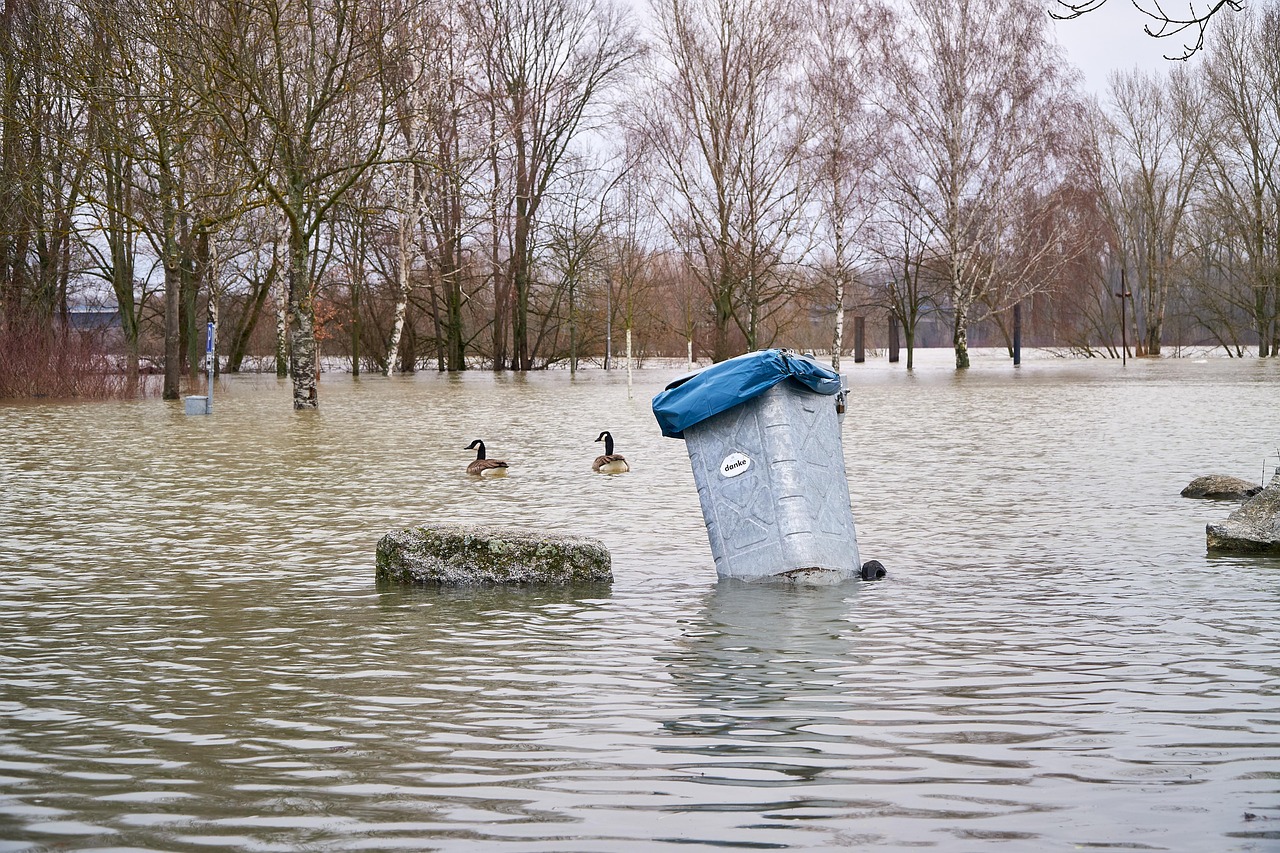
Combating climate change necessitates both mitigation and adaptation strategies. Mitigation focuses on reducing GHG emissions and enhancing carbon sinks, while adaptation involves making adjustments to societal structures to minimize the damage from climate change.
Mitigation Strategies
Mitigation efforts aim to limit the magnitude or rate of long-term climate change. Key strategies include:
- Transitioning to Renewable Energy: Shifting from fossil fuels to renewable energy sources such as solar, wind, and hydroelectric power reduces CO2 emissions.
- Energy Efficiency: Improving energy efficiency in industries, buildings, and transportation reduces energy consumption and associated emissions.
- Reforestation and Afforestation: Planting trees and restoring forests enhance carbon sequestration, removing CO2 from the atmosphere.
- Innovative Technologies: Developing and deploying technologies like carbon capture and storage (CCS) can directly reduce atmospheric CO2 levels.
Adaptation Strategies
Adaptation involves adjusting to actual or expected future climate. It seeks to reduce vulnerabilities and enhance resilience to climate impacts. Strategies include:
- Infrastructure Upgrades: Enhancing the resilience of infrastructure, such as roads, bridges, and buildings, to withstand extreme weather events.
- Water Resource Management: Implementing efficient water use and conservation practices to ensure water availability during droughts.
- Agricultural Adjustments: Developing crop varieties that are resistant to climate extremes and optimizing planting schedules.
- Community Planning: Engaging communities in planning and implementing adaptation measures tailored to local needs.
International Efforts and Agreements

Addressing the global challenge of climate change requires international cooperation and commitment. Key international efforts include:
- The Paris Agreement: A landmark accord within the United Nations Framework Convention on Climate Change (UNFCCC) that aims to limit global warming to well below 2°C above pre-industrial levels. Countries are required to submit nationally determined contributions (NDCs) outlining their climate actions.
- Kyoto Protocol: An earlier international treaty that committed its parties to reduce GHG emissions, based on the premise that global warming exists and human-made CO2 emissions have caused it.
- Intergovernmental Panel on Climate Change (IPCC): Provides regular assessments of the scientific basis of climate change, its impacts, and future risks, as well as options for adaptation and mitigation.
For more information on international climate agreements, visit the IPCC website.
Conclusion: The Path Forward
Understanding and addressing the role of greenhouse gases in climate change is crucial for safeguarding our planet’s future. While the challenge is immense, the combination of scientific innovation, policy action, and global cooperation offers a viable path forward. It is imperative that individuals, communities, businesses, and governments work together to implement effective solutions that mitigate emissions and adapt to inevitable changes.
Embracing sustainable practices and fostering an informed and engaged global citizenry will be key in navigating the complexities of climate change. For further reading on climate science and policy, explore resources provided by the U.S. Environmental Protection Agency.
Individual and Community Actions

While international agreements and governmental policies play a significant role in combating climate change, individual and community actions are equally crucial. Each person’s effort contributes to a larger collective impact. Here are some ways individuals and communities can make a difference:
- Reducing Energy Consumption: Simple actions like turning off lights when not in use, using energy-efficient appliances, and minimizing car travel can significantly reduce carbon footprints.
- Sustainable Transportation: Opting for public transport, carpooling, biking, or walking not only reduces emissions but also decreases traffic congestion and air pollution.
- Waste Reduction: Reducing, reusing, and recycling materials can lower emissions from waste management processes. Composting organic waste also reduces methane emissions from landfills.
- Supporting Renewable Energy: Individuals can support renewable energy by choosing green energy options from their utility providers or installing solar panels on their property.
Community initiatives, such as local conservation projects, tree planting events, and educational workshops, can enhance collective action and foster a sense of responsibility and stewardship toward the environment. For inspiration on community-led sustainability projects, visit the C40 Cities Climate Leadership Group.
Innovative Solutions and Future Prospects
The fight against climate change has spurred numerous innovative solutions and technologies aimed at reducing GHG emissions and enhancing sustainability. These innovations hold promise for future climate resilience:
- Carbon Capture and Storage (CCS): This technology captures CO2 emissions from sources like power plants and stores it underground to prevent it from entering the atmosphere.
- Green Building Technologies: Designing energy-efficient buildings with sustainable materials and smart systems can significantly reduce energy use and emissions.
- Electric Vehicles (EVs): The shift towards EVs reduces reliance on fossil fuels and decreases air pollution. The development of charging infrastructure is crucial for widespread adoption.
- Precision Agriculture: Utilizing technology such as drones and sensors, precision agriculture optimizes resource use, reducing emissions from farming practices.
As these technologies evolve, they offer opportunities for cleaner industries and more sustainable lifestyles. Continued investment in research and development is essential to bring these solutions to scale and make them accessible worldwide.
The Role of Education and Advocacy
Education and advocacy are vital components in the global response to climate change. By spreading awareness and understanding, individuals can be empowered to take informed actions and advocate for impactful policies. Educational institutions, non-profit organizations, and media outlets play a critical role in this endeavor.
Programs that integrate climate education into school curriculums help cultivate a generation that is knowledgeable about environmental issues and solutions. Public campaigns and advocacy groups can influence policy by raising awareness and mobilizing community action. For resources on climate education, the National Oceanic and Atmospheric Administration’s Climate.gov offers comprehensive educational materials.
Conclusion: A Call to Action
The challenges posed by greenhouse gases and climate change are daunting, yet they also present unique opportunities for innovation and collaboration. As we unravel the complexities of greenhouse gases and their impact on our planet, a collective effort is required to forge a sustainable path forward. Governments, industries, communities, and individuals all have roles to play in this global mission.
By adopting sustainable practices, supporting clean energy, and advocating for robust policies, we can mitigate the effects of climate change and protect the environment for future generations. It is imperative to act decisively and inclusively, ensuring that solutions are equitable and accessible to all.
For more insights and updates on climate change and sustainability efforts, visit the United Nations Climate Change website. Together, we can build a resilient and sustainable world.