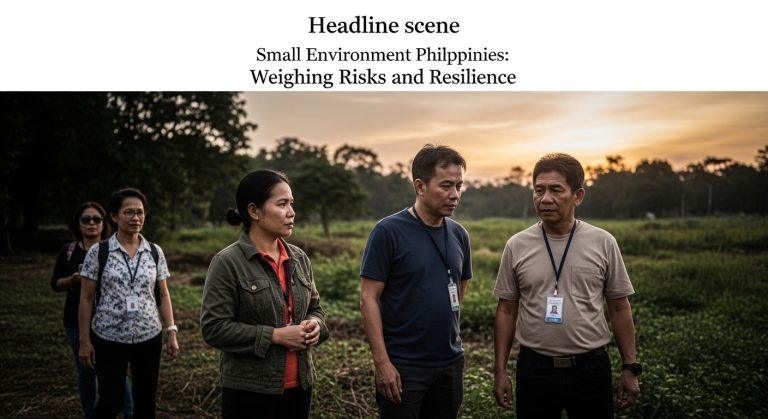
Climate Change And Its Effects On Our Health What You Need To Know
Updated: April 8, 2026
Climate Change and Its Effects on Our Health: What You Need to Know
Climate change is a global phenomenon that has far-reaching effects not only on the environment but also on human health. With rising global temperatures, changing weather patterns, and increased frequency of extreme weather events, the implications for public health are profound. This article explores the various ways in which climate change impacts our health and what measures can be taken to mitigate these effects.
The Direct Health Impacts of Climate Change
One of the most immediate effects of climate change on health is the increase in temperature-related illnesses and deaths. As global temperatures rise, heatwaves become more frequent and intense, leading to a higher incidence of heat-related illnesses such as heat exhaustion and heatstroke. Vulnerable populations, including the elderly, children, and those with pre-existing health conditions, are particularly at risk.
Additionally, extreme weather events such as hurricanes, floods, and wildfires are becoming more common and more severe due to climate change. These events can cause direct physical harm, force people from their homes, and disrupt access to healthcare services. The aftermath of such events often leads to an increase in mental health issues, including anxiety, depression, and post-traumatic stress disorder.
Air Quality and Respiratory Health
Climate change also significantly affects air quality, which in turn impacts respiratory health. Warmer temperatures and changes in precipitation patterns can lead to an increase in the concentration of ground-level ozone and particulate matter, both of which are harmful to human health. These pollutants can exacerbate respiratory conditions such as asthma and chronic obstructive pulmonary disease (COPD).

Moreover, wildfires, which are becoming more frequent and severe due to climate change, release large amounts of smoke and pollutants into the air. The Environmental Protection Agency (EPA) notes that exposure to wildfire smoke can lead to respiratory issues, cardiovascular problems, and even premature death.
Vector-Borne Diseases
Rising temperatures and altered precipitation patterns also affect the distribution and behavior of disease vectors such as mosquitoes and ticks. This leads to changes in the spread of vector-borne diseases, including malaria, dengue fever, Lyme disease, and Zika virus. Warmer temperatures can extend the breeding season and geographical range of these vectors, increasing the risk of disease transmission to humans.
According to the Centers for Disease Control and Prevention (CDC), climate change may also lead to the emergence of new vector-borne diseases, as pathogens adapt to new environmental conditions. Monitoring and controlling these vectors are crucial in reducing the health impacts of climate change.
Food Security and Nutrition
Climate change affects food security and nutrition in several ways. Changes in temperature and precipitation patterns can impact agricultural productivity, leading to reduced crop yields and food shortages. This can result in increased food prices and reduced access to nutritious food, particularly for low-income populations.
Furthermore, the nutritional quality of food can be affected by climate change. For example, increased levels of carbon dioxide can reduce the protein and nutrient content of staple crops such as rice and wheat, exacerbating malnutrition and related health issues.

The Food and Agriculture Organization (FAO) highlights the need for adaptive strategies to ensure food security in the face of climate change, including the development of climate-resilient crops and sustainable agricultural practices.
Mental Health Consequences
The psychological impacts of climate change are an often overlooked but significant concern. The stress and anxiety associated with the threat of climate change, as well as the trauma resulting from extreme weather events and their aftermath, can have lasting effects on mental health.
Communities that experience frequent natural disasters may suffer from chronic stress and anxiety, while individuals displaced by climate-related events may experience depression and post-traumatic stress disorder. Mental health services and support systems are essential in addressing these issues and helping affected individuals and communities build resilience.
Global and Local Solutions
Addressing the health impacts of climate change requires a coordinated global response. Efforts to reduce greenhouse gas emissions and limit global warming are critical in mitigating the health risks associated with climate change. International agreements such as the Paris Agreement aim to unite countries in the fight against climate change.
On a local level, communities can implement adaptation strategies to protect public health. This includes developing early warning systems for extreme weather events, improving infrastructure to withstand climate impacts, and increasing public awareness of health risks associated with climate change.
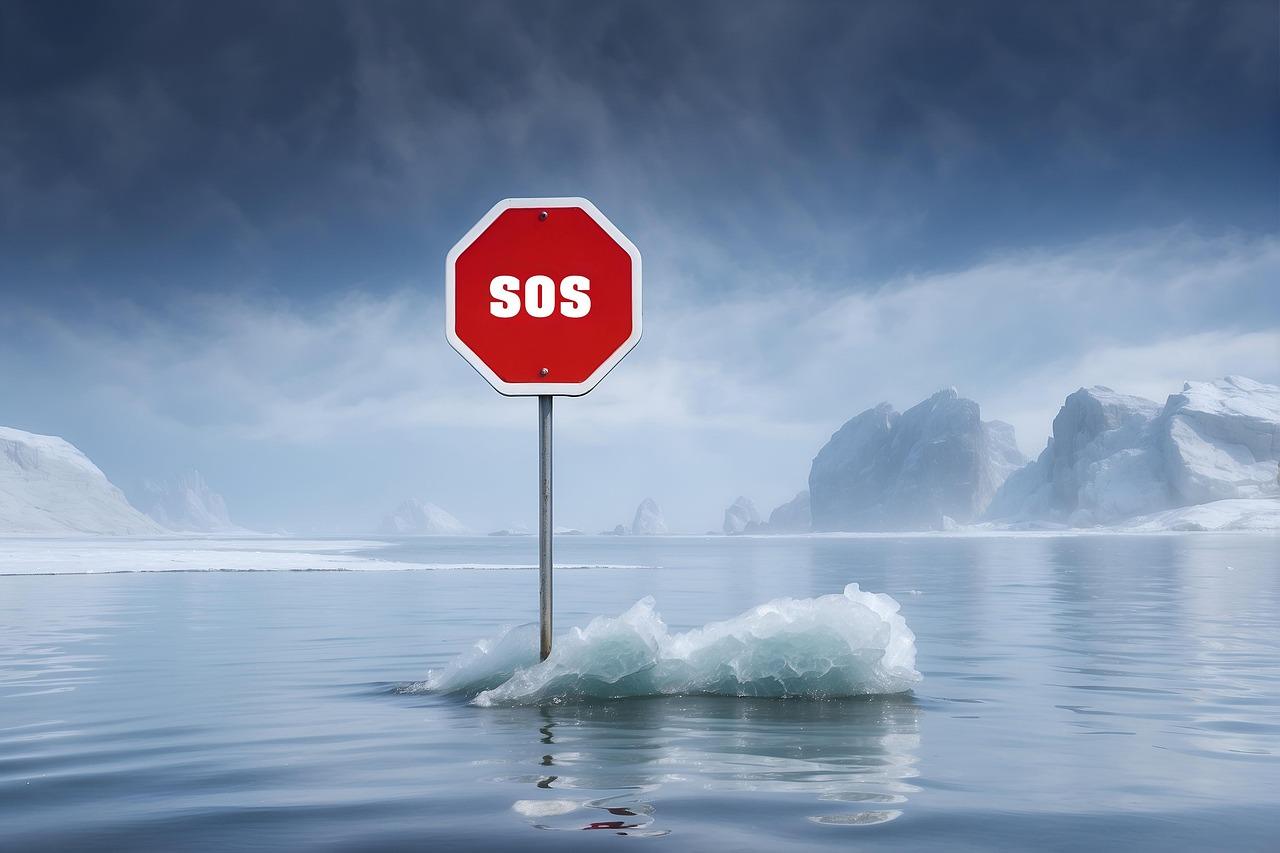
Healthcare systems also play a vital role in addressing the health impacts of climate change. By integrating climate change considerations into health policies and planning, healthcare providers can better prepare for and respond to climate-related health challenges.
Takeaways
Climate change poses a significant threat to public health, affecting everything from respiratory diseases to mental health. Understanding the complex ways in which climate change impacts health is essential for developing effective strategies to protect individuals and communities. By taking action to mitigate climate change and adapt to its impacts, we can safeguard our health and ensure a sustainable future for generations to come.
For more information on the health effects of climate change and what can be done, consult resources like the United Nations Climate Change website, which provides comprehensive insights and guidance on this pressing issue.
Policy and Advocacy for Health-Driven Climate Action
Public health professionals and policymakers play a crucial role in advocating for climate action. By emphasizing the health benefits of reducing greenhouse gas emissions, such as improved air quality and reduced healthcare costs, advocates can build strong cases for climate policies. Public health messaging can shift the narrative from environmental conservation to human well-being, making the climate agenda more relatable and urgent.
Efforts such as carbon pricing, investment in renewable energy, and promotion of sustainable transportation can significantly reduce emissions while promoting public health. Policymakers are encouraged to engage with community stakeholders, including healthcare providers, scientists, and affected populations, to develop policies that are equitable and effective.
Community Engagement and Education

Community involvement is key to addressing the health impacts of climate change. Local governments and organizations can engage communities through education and awareness campaigns that empower individuals to take action. Workshops, seminars, and other educational initiatives can raise awareness about how personal and collective actions contribute to climate change and health outcomes.
Communities can also participate in local sustainability initiatives, such as urban greening projects, community gardens, and sustainable waste management practices. These initiatives not only reduce the local carbon footprint but also foster a sense of community and resilience.
The Role of Technology and Innovation
Technology and innovation are essential in mitigating the health impacts of climate change. Advances in technology can improve climate modeling, enabling more accurate predictions of climate-related health risks. This information is invaluable for healthcare providers and policymakers in planning and response efforts.
Innovations in healthcare delivery, such as telemedicine, can also enhance access to care for populations affected by climate-related disruptions. Additionally, technology-driven solutions in agriculture, energy, and transportation can reduce emissions and improve public health outcomes.
Building Resilient Healthcare Systems
Healthcare systems must adapt to the realities of climate change by becoming more resilient and sustainable. This involves preparing for an increased burden of climate-related illnesses and ensuring healthcare facilities can operate during extreme weather events. Emergency preparedness plans, training for healthcare workers, and infrastructure improvements are critical components of resilient healthcare systems.

Furthermore, healthcare facilities can contribute to climate mitigation by reducing their own carbon footprints. Initiatives such as energy-efficient buildings, renewable energy use, and sustainable procurement practices not only reduce emissions but also set an example for other sectors.
Research and Collaboration
Ongoing research is vital to understanding the complex relationship between climate change and health. Interdisciplinary collaboration among climatologists, health professionals, economists, and sociologists can lead to comprehensive strategies that address the multifaceted challenges posed by climate change.
Funding for research on climate-related health impacts and solutions is essential. This research can inform policy, guide public health initiatives, and identify vulnerable populations that require targeted interventions.
Conclusion and Call to Action
Climate change is a pressing global health issue that demands immediate and sustained action. By understanding the health risks associated with climate change and taking steps to mitigate and adapt, we can protect public health and promote a healthier, more sustainable future. This requires a collective effort from individuals, communities, policymakers, and healthcare providers.
Engaging in climate action not only addresses environmental concerns but also improves health outcomes, reduces healthcare costs, and enhances quality of life. Now is the time to act decisively, leveraging science, technology, and collaboration to overcome the challenges posed by climate change.
For further insights and strategies on addressing climate change and health, explore resources provided by the National Academies of Sciences, Engineering, and Medicine, which offers comprehensive research and recommendations for policymakers and practitioners.